
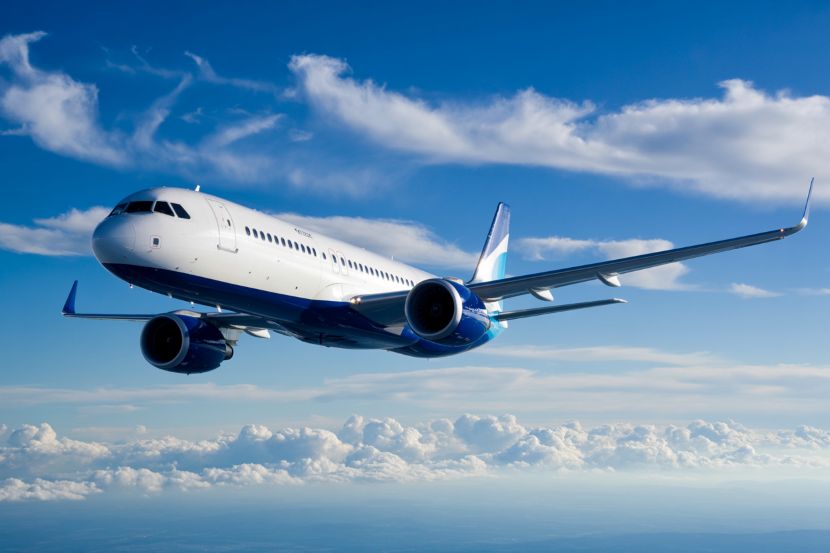

Frontier Airlines has made major changes to its airline operations by returning 24 aircraft to AerCap Holdings while postponing delivery of 69 Airbus jets. The changes, which will begin implementation in the second quarter of 2026, demonstrate a careful response to changing travel demand patterns. Frontier Airlines makes these decisions to achieve optimal fleet operations while maintaining the ability to adapt to changing market conditions.
Fleet Downsizing: Returning 24 Aircraft to Lessors
In a move that highlights the airline’s shift toward a more streamlined operation, Frontier has agreed to return 24 Airbus A320neo aircraft to AerCap Holdings, one of the world’s largest aviation leasing companies. These aircraft were initially scheduled to remain in the airline’s fleet, but the carrier has opted for an earlier return in an effort to align its capacity with current travel demand.
This decision to return the jets comes amidst Frontier’s broader strategy to adjust its fleet in response to evolving demand, especially as the airline works to balance the needs of both business and leisure travellers. By returning these aircraft, Frontier is aiming to reduce its operating costs and maximise the profitability of its fleet in the short term.
Delaying Airbus A320neo Deliveries
Simultaneously, Frontier Airlines has announced a significant delay in the delivery of 69 Airbus A320neo aircraft. Originally set to be delivered between 2027 and 2030, these new jets will now be postponed until 2031 through 2033. This delay will allow the airline to reassess its capacity needs in light of changing travel trends and demand projections.
By pushing back these aircraft deliveries, Frontier aims to ensure that its fleet remains adaptable to shifts in both consumer behaviour and the broader travel market. The airline has emphasised that the decision aligns with its broader goal of maintaining a sustainable fleet, which can respond quickly to market fluctuations.
Strategic Flexibility and Cost Management
The return of the 24 aircraft to AerCap and the delay in new deliveries are both designed to help Frontier better manage its operating costs. By reducing the number of leased aircraft in its fleet and delaying future acquisitions, Frontier is aiming to maintain financial flexibility while continuing to operate at a competitive level within the ultra-low-cost carrier market.
While Frontier Airlines continues to face challenges in forecasting post-pandemic demand, especially in the international travel sector, these adjustments reflect the airline’s commitment to managing capacity prudently. Frontier is positioning itself to capture opportunities in the recovery of both domestic leisure travel and business travel as demand stabilises.
Looking Ahead: Frontier’s Path to Growth
Despite these fleet changes, Frontier Airlines remains optimistic about the future. The airline has expanded its domestic network in recent years, increasing the number of routes to major cities across the United States. In 2026, the airline plans to continue offering budget-friendly travel options to a broader range of destinations, with particular emphasis on the Caribbean and Latin American routes.
The decision to return aircraft and delay deliveries underscores Frontier’s commitment to providing affordable travel options while staying competitive in the evolving airline industry. As the carrier works to refine its fleet strategy, it is also focused on maintaining operational efficiency and enhancing passenger experiences, even as it adjusts its growth trajectory.
Impact on Travellers
For travellers, these fleet adjustments may mean slight changes in the available routes and aircraft types on certain services. However, Frontier remains committed to offering affordable fares, with some of the most competitive pricing in the U.S. domestic market. Passengers flying on Frontier will continue to benefit from the airline’s core focus on value-driven travel options.
The decision to downsize the fleet and delay new aircraft deliveries ensures that Frontier can continue operating with maximum cost efficiency, which could result in lower airfares for customers in the long run, particularly in the domestic leisure market.
Fleet Adjustments Reflect Frontier’s Long-Term Strategy
The airline operates its aircraft return operations together with its Airbus delivery timetable to control its flight capacity throughout its post-pandemic recovery and upcoming expansion efforts. Frontier Airlines meets the needs of budget travellers through its flexible operations and cost management system since it gained this advantage during the challenging conditions that affected most airlines in 2025. The airline will sustain its ultra-low-cost business model through these strategic choices, which help it compete in the fast-changing aviation industry.
The post Frontier Airlines to Scale Back Growth in 2026 with Aircraft Return and Delivery Delays appeared first on Travel And Tour World.
