
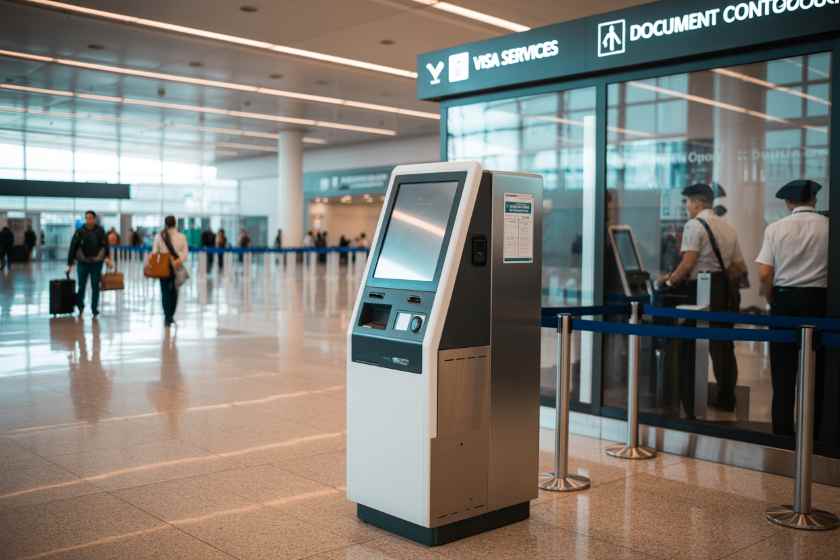
Travellers heading to Spain or anywhere in the Schengen area this summer could face significant delays at passport control due to the new Schengen Entry/Exit System (EES). Starting in April 2026, the system will fully replace traditional passport stamping for non-EU visitors, adding biometric checks and entry/exit records at border control. This change, while aimed at improving security and border management, comes at a critical time as Europe enters its busiest travel season, with concerns rising over long queues and processing delays at airports, particularly in Spain.
What Is the Schengen Entry/Exit System and How Does It Affect Travellers?
The Schengen Entry/Exit System (EES) is being rolled out across Europe to modernise border control procedures for non-EU travellers. Instead of the traditional passport stamp, border authorities will now capture biometric data, personal information, and entry/exit dates for every traveller. The goal is to better monitor overstays and refusals of entry, and to provide a more efficient system for handling the influx of international tourists and business travellers.
Starting on April 10, 2026, the system will cover 100% of eligible non-EU travellers. While the system aims to improve border security in the long term, the timing of the rollout is causing concerns among airports and airlines, especially as the peak summer travel season approaches.
What Could the Impact Be for Tourists and Travellers?
For tourists arriving in Spain or the wider Schengen area, the introduction of the Entry/Exit System could result in longer waiting times at passport control, particularly during peak travel periods. According to industry experts, delays of up to two hours have already been observed during the current phased deployment, with some forecasting that wait times could extend to four hours during the summer months.
For example, travellers flying from the United States, the UK, or Australia will need to go through additional biometric checks upon arrival in Spain’s major airports, including Madrid, Barcelona, and Malaga. While those arriving in less busy regions or smaller airports may see minimal disruption, travellers heading to major tourist hubs during peak hours are more likely to face significant delays.
Barcelona, which is already one of Europe’s busiest airports, could see especially long lines during the height of summer, as thousands of tourists flock to Spain for its beaches, cultural attractions, and festivals. The 96-hour Schengen transit visa extension for travellers flying into Spain could also be impacted by these delays, adding another layer of complexity for tourists.
Why Airports and Airlines Are Raising Concerns
Although the Schengen Entry/Exit System is supported for its long-term benefits in improving border management, airports and airlines are concerned about the current infrastructure and capacity to handle the system’s rollout. According to ACI Europe, Airlines for Europe (A4E), and the International Air Transport Association (IATA), many airports are already facing chronic understaffing at passport control. Additionally, the new system’s reliance on automated biometric processing is still encountering technical issues, further complicating the situation.
With peak summer travel just months away, these organisations are urging the European Commission to consider temporary flexibility, allowing Schengen states to suspend or partially adjust the system until after the high season, particularly until October 2026. Without these adjustments, the system’s full deployment could lead to severe operational disruptions, affecting not only travellers but also airline schedules, transfers, and airport operations.
How Travellers Can Prepare for the Summer Travel Rush
Travellers flying into Spain or other Schengen countries from outside the EU this summer should plan and prepare for potential delays at border control. The key to minimising frustration is to arrive at the airport early and ensure that all travel documents are valid and easily accessible. Passport control may take longer than usual, so allowing for extra time between flights and transfers is essential.
For example, if you’re flying into Palma de Mallorca in July at a peak time, it’s wise to allow extra time in case of delays. Similarly, travellers arriving during peak tourist hours at airports in Madrid or Barcelona should expect longer wait times, especially as the system fully implements biometric checks and entry/exit data recording.
Additionally, keeping an eye on updates from airlines and official announcements from border authorities can help you stay informed about any changes or developments related to the Entry/Exit System. It’s important to be proactive, as conditions at major airports can fluctuate based on passenger volume, staffing levels, and other factors.
The Rollout Timeline for Schengen’s Entry/Exit System
The Schengen Entry/Exit System began its progressive rollout on October 12, 2023, initially registering 35% of non-EU travellers. By April 10, 2026, the system will be fully operational, with 100% of eligible travellers processed under the new procedures. The full impact will be felt during the summer peak season of 2026, which is expected to be the first full season under the expanded system.
This timing places added pressure on airports, airlines, and border agencies, which will need to ensure their staffing, resources, and technology are up to the task during Europe’s busiest travel months.
What Does This Mean for the Future of Travel in Europe?
While the Schengen Entry/Exit System is designed to streamline border control and reduce overstays, the transition period could create short-term challenges for travellers heading to Spain and other popular European destinations. As airports work to accommodate the system’s full implementation, travellers should expect some inconvenience, especially during busy periods.
Over time, the system will likely enhance border security and improve the travel experience by reducing manual passport processing. However, travellers heading to Spain or the Schengen zone this summer should remain patient and prepared for longer wait times. By allowing extra time for their journeys, travellers can ensure a smoother travel experience as they explore Spain’s famous cities and tourist destinations, from Seville to Granada.
Conclusion: What to Expect and How to Plan for Your Summer Travels
The introduction of the Schengen Entry/Exit System promises to bring long-term benefits to Europe’s border management and security. However, as the system continues to be fully rolled out, travellers heading to Spain and other Schengen countries should expect potential delays during the busy summer months. By staying informed, arriving early, and allowing for extra time at airports, travellers can help ensure that their summer journeys go smoothly, even as new systems are implemented.
The post Germany, France, Spain, and More: What Schengen’s New Border System Means for Easy Travel and Entry Across Europe appeared first on Travel And Tour World.
