
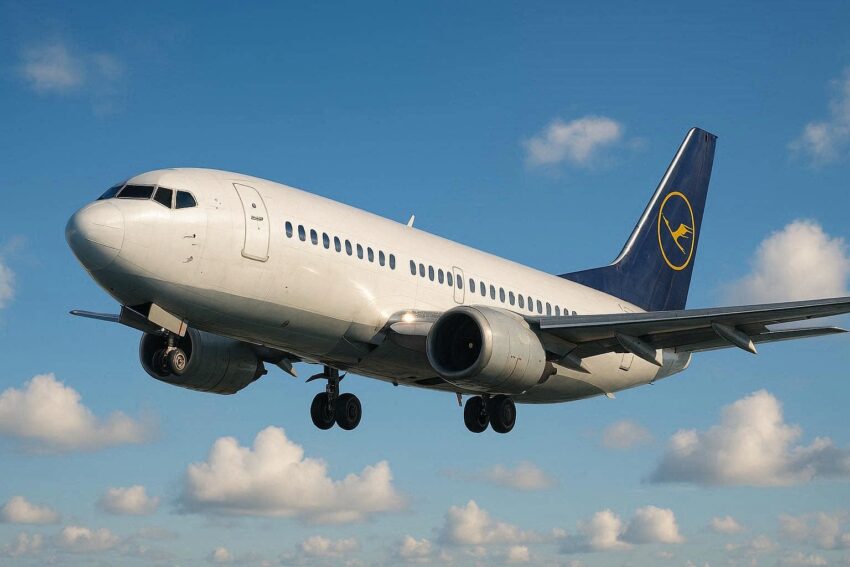
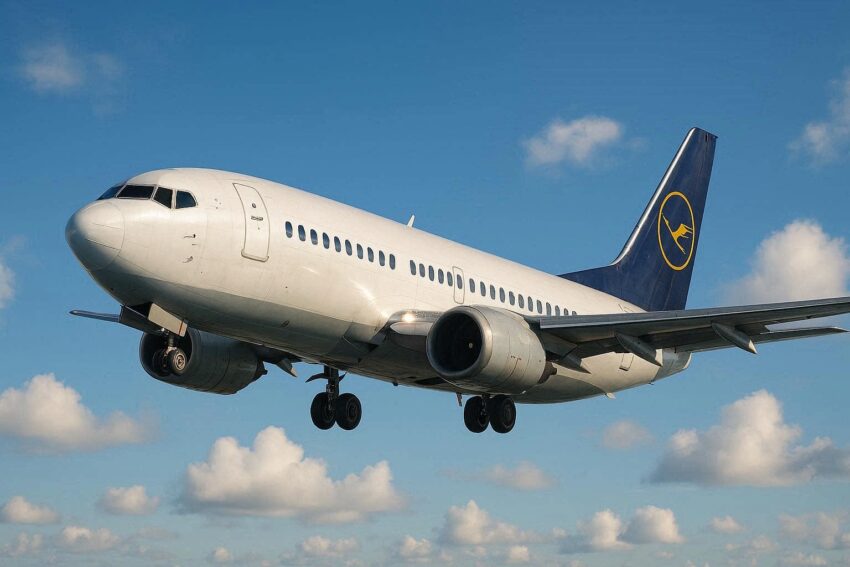
In a significant moment for Lufthansa, a long-standing chapter in Germany’s aviation history is being quietly brought to a close. The airline’s iconic LH1 flight number, long associated with its early morning connection between Hamburg Airport and Frankfurt Airport, is being retired under the 2026 summer schedule. For decades, this designation has been closely linked to the rhythm of domestic travel within Germany, symbolizing both operational continuity and historical legacy.
Although the flight itself will continue to operate, its renumbering to LH33 marks a structural shift rather than a reduction in service. The decision has been positioned as part of a broader modernization of the carrier’s flight numbering framework. Across Germany and the wider European aviation network, flight numbers often carry prestige and historical meaning. In this case, the symbolic weight attached to LH1 has made the change particularly notable among industry observers and aviation enthusiasts alike.
With Frankfurt serving as a major intercontinental gateway to Europe, Asia, and the Americas, the route’s operational importance remains firmly intact despite the change in designation.
A Historic Route Rooted in Germany’s Aviation Heritage
The LH1 service has long been operated between Hamburg Airport and Frankfurt Airport, forming a vital domestic link within Germany. The early morning departure, currently scheduled to leave Hamburg at 6:00 a.m. and arrive in Frankfurt at 7:10 a.m., has traditionally enabled seamless onward connections to long-haul destinations.
Historically, Hamburg held special importance within Lufthansa’s corporate structure, having once served as the airline’s headquarters. The first morning flight to Frankfurt gradually became emblematic of the carrier’s operational heartbeat. Over time, LH1 came to represent more than a scheduled departure; it was perceived as the symbolic start of the airline’s daily network activity.
Frankfurt, one of Europe’s most important aviation hubs, continues to function as Lufthansa’s primary global gateway. From this German hub, passengers connect to destinations throughout Europe, Asia, North America, and beyond. The Hamburg–Frankfurt corridor has therefore remained strategically significant, serving both business travelers and international transit passengers.
While the flight number will disappear from standard timetables, the route itself will continue uninterrupted, ensuring that connectivity within Germany remains unaffected.
Implementation of a New Flight Number Structure
Beginning with the 2026 summer timetable, Lufthansa will introduce a revised and more standardized flight numbering system. Under this updated framework, departures from major hubs such as Frankfurt will carry even-numbered designations, including examples like LH002 or LH004.
Return services will adopt the same base number as the outbound flight, incremented by one digit. This approach has been described as a measure intended to improve clarity and internal consistency across scheduling systems.
Over time, inconsistencies had developed within the existing structure. Sequential numbering had not always aligned logically, leading to operational inefficiencies. Through restructuring, Lufthansa aims to create a streamlined system that supports digital optimization, simplifies passenger recognition, and enhances overall network management.
Because LH000 cannot exist within the airline’s coding parameters, LH001 will also be omitted from regular scheduling. However, it has been indicated that LH1 may be reserved for special or ceremonial purposes in the future, preserving its symbolic significance within Germany’s aviation landscape.
The Prestige of Flight Number One in Global Aviation
Across the global aviation industry, flight numbers featuring the digit one have traditionally carried elevated status. Such designations are often assigned to flagship routes, historically important services, or premium long-haul connections linking major world capitals.
For instance, Emirates operates EK1 on its Dubai to London Heathrow route, reinforcing its premium positioning between the United Arab Emirates and the United Kingdom. Similarly, Qantas uses QF1 for its long-haul Sydney to London service, connecting Australia with Europe under a prestigious designation.
In the United Kingdom, British Airways previously applied the number to Concorde operations and later to its Airbus A318 service from London City, although that route has since ended. In each case, the numbering strategy was used to strengthen brand identity and highlight the importance of specific connections.
Within Germany, LH1 fulfilled a comparable symbolic role. While it was a domestic route rather than an intercontinental flagship, its early departure and historical roots granted it a distinct place in Lufthansa’s operational heritage.
Operational Modernization Across Europe
The retirement of LH1 reflects broader trends within European aviation. As airlines modernize fleets, digitize operations, and optimize scheduling systems, standardized numbering structures have gained importance. In an era of automated booking platforms and increasingly complex network coordination, logical numbering frameworks can reduce system conflicts and enhance passenger clarity.
Lufthansa’s decision should therefore be interpreted as part of a larger operational evolution rather than a symbolic downgrade. Frankfurt continues to serve as a key European hub, supporting long-haul services to Asia, North America, South America, and Africa. The Hamburg–Frankfurt route remains a vital feeder corridor that underpins international connectivity.
Across Europe, airlines have increasingly adopted simplified numbering models to align with digital infrastructure and internal efficiency targets. Germany’s aviation sector has been no exception, particularly as carriers seek to remain competitive in a dynamic global market.
Symbolism and Legacy Within Germany
Despite the technical rationale behind the change, LH1’s retirement carries emotional weight. For aviation enthusiasts in Germany and across Europe, the number had become synonymous with continuity and heritage. During certain periods, it was even regarded as the first Lufthansa departure across the network each morning.
Flight numbers can function as subtle yet powerful branding tools. They encapsulate tradition, reliability, and corporate identity without the need for marketing campaigns. In this context, LH1 represented decades of consistent service between two important German cities.
Hamburg’s historical connection to Lufthansa further deepened that symbolism. As a former headquarters city, Hamburg occupies a distinctive place in the airline’s story. The morning link to Frankfurt effectively bridged corporate heritage with present-day global connectivity.
Although the renumbering to LH33 marks the end of a recognizable tradition, the operational essence of the service remains intact. Passengers will continue to depart Hamburg at the same early hour and arrive in Frankfurt in time for international onward travel.
What the Change Means for Passengers
From a traveler’s perspective, the adjustment is expected to be largely procedural. Schedules, aircraft types, and service levels on the Hamburg–Frankfurt route will remain unchanged. The modification is confined to the flight number itself.
The new LH33 designation will be integrated into Lufthansa’s updated timetable structure beginning in summer 2026. Passengers booking domestic connections within Germany or onward international journeys through Frankfurt should experience no disruption.
The broader restructuring is designed to enhance operational transparency and reduce inconsistencies in flight identification. In an increasingly digital booking environment, clearer numbering systems may contribute to smoother itinerary management and backend coordination.
A Tradition Concludes, Connectivity Continues
While LH1 will no longer appear on departure boards at Hamburg Airport, its legacy will remain woven into Lufthansa’s historical narrative. The retirement signals administrative modernization rather than a shift in strategic priorities.
Germany’s flagship carrier continues to reinforce Frankfurt’s role as one of Europe’s leading aviation gateways. The Hamburg–Frankfurt link will remain a critical domestic artery supporting long-haul travel across continents.
In the evolving landscape of global aviation, even small changes such as flight number restructuring can reflect deeper transformations in operational philosophy. The conclusion of the LH1 chapter therefore represents both an end and a beginning within Germany’s aviation story.
The post Germany’s Lufthansa Ends Historic LH1 Era on Hamburg–Frankfurt Route, Signaling New Chapter in European Aviation appeared first on Travel And Tour World.
