
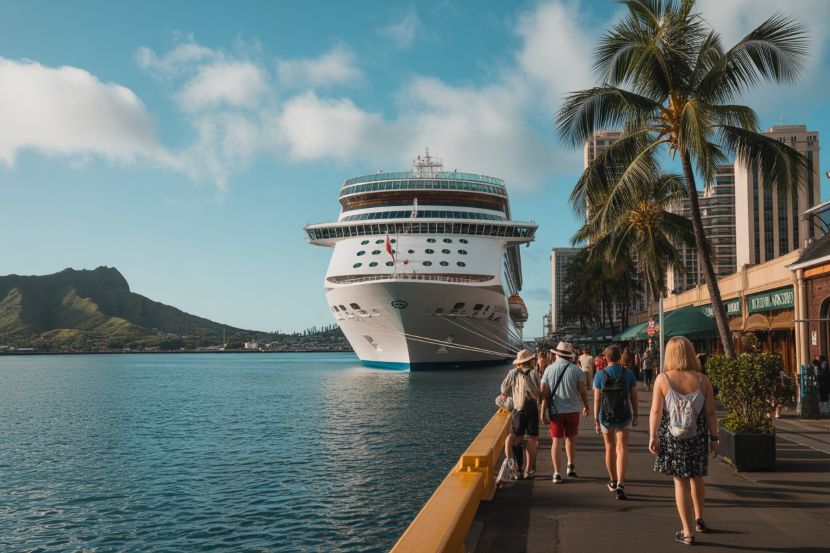

Many visitors planning Hawaii cruises in 2026 received a welcome update just days before departure, as a federal appeals court blocked the state from enforcing a new tax on cruise ship passengers set to launch on January 1, 2026. This development gave relief to travelers and the cruise industry, while other visitor taxes have proceeded as scheduled. The legal decision has important implications for tourism planning, cruise bookings, and the overall visitor cost landscape in Hawaii.
The tax at issue was part of Hawaii’s Act 96, commonly called the “Green Fee,” designed to generate revenue to protect the islands’ environment and address climate impacts. The measure included multiple components: an increase in hotel and vacation rental taxes, and an 11 percent levy on cruise ship passenger fares, prorated for days spent in Hawaii ports, with counties authorized to add another 3 percent.
However, on New Year’s Eve, the Ninth Circuit U.S. Court of Appeals granted an injunction preventing the state from collecting the cruise passenger tax while the legal challenge proceeds. The lawsuit was brought by the Cruise Lines International Association (CLIA), which argued the tax violates federal law and the U.S. Constitution because it would tax vessels in navigable waters. The U.S. Department of Justice also intervened in support of the appeal.
For tourists planning to visit Hawaii by sea, the ruling means that cruise fares heading to the islands in early 2026 will not include the cruise passenger tax at this time. This decision may influence booking decisions, itinerary choices, and overall travel costs for those considering Hawaii as a destination by sea. The temporary halt provides price stability and eliminates a potential cost increase that could have deterred some travelers from choosing Hawaii as their cruise port of call.
While the cruise passenger component is on hold, other parts of the Green Fee have moved forward. Hotel room and short-term vacation rental taxes were increased at the start of 2026, and these changes now apply to most visitors staying overnight on the islands. Revenue collected from these accommodations taxes is intended to support environmental resilience efforts, such as shoreline protection, wildfire mitigation, and infrastructure projects that benefit both visitors and residents.
Hawaii hosts more than 10 million visitors annually, with significant numbers arriving by cruise ship or staying in hotels, condos, and vacation rentals. Tourism accounts for a major portion of the state’s economy, supporting local businesses, restaurants, cultural sites, and recreational activities. These sectors stand to benefit from clarity around travel costs and taxation as travel demand continues following the pandemic recovery period.
State officials have maintained that tourism should contribute to protecting the islands’ natural assets, arguing that visitors share in the costs of climate-related challenges and environmental preservation. Proponents of Act 96 said the funds would provide important support for long-term sustainability, helping ensure the beaches, forests, and cultural landmarks that attract visitors remain vibrant for future generations.
Industry representatives countered that the cruise passenger tax could make Hawaii itineraries more expensive relative to other destinations not imposing similar levies. They also warned that extra costs could shift traveler preferences and travel patterns, potentially affecting demand for Hawaii-bound cruises. The appeals court’s decision temporarily removed this concern from the immediate travel outlook, allowing cruise operators and tourism partners to market Hawaii without the uncertainty of the new fee.
The legal process now moves forward, with the appeals court set to review the merits of the challenge to the cruise ship tax. If the tax is ultimately upheld, Hawaii may generate new revenue from cruise visitors in future years, but not until the litigation concludes. That outcome could reshape the state’s tourism revenue strategy and set precedents for how other destinations consider visitor-based environmental levies.
Travel advisors and tourism stakeholders have welcomed the temporary injunction as a positive signal for Hawaii’s cruise tourism competitiveness and travel cost predictability. Many families and independent travelers had expressed concerns that a high cruise tax could reduce the appeal of booking Hawaii routes, particularly for longer voyages or multi-destination itineraries that include the islands.
Meanwhile, visitors who stay in hotels and short-term rentals will see modest increases in their accommodation taxes. These changes are more modest than the proposed cruise tax and spread across a wider range of lodging choices, making them less likely to strongly influence overall travel budgets. Ultimately, the combination of blocked cruise levies and updated hotel taxes creates a mixed but clearer financial picture for visitors planning trips to Hawaii in 2026.
As the legal and tourism landscape continues to evolve, travelers can plan Hawaii vacations with greater assurance about the immediate tax environment. The appeals court’s decision underscores the complexity of balancing environmental funding and tourism growth and highlights how legal processes can directly affect travel planning, pricing, and destination appeal.
The post Hawaii Tourism Gets Boost After Appeals Court Blocks 2026 Cruise Passenger Tax appeared first on Travel And Tour World.
