
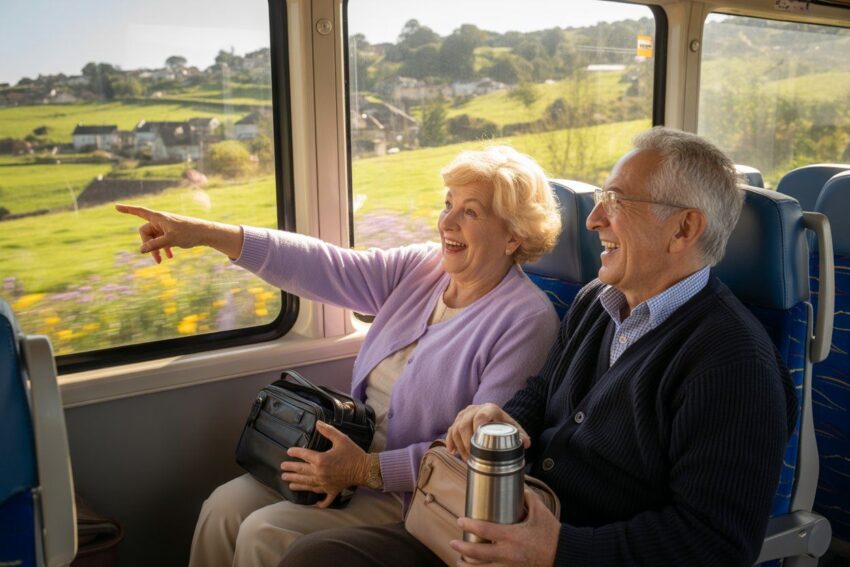
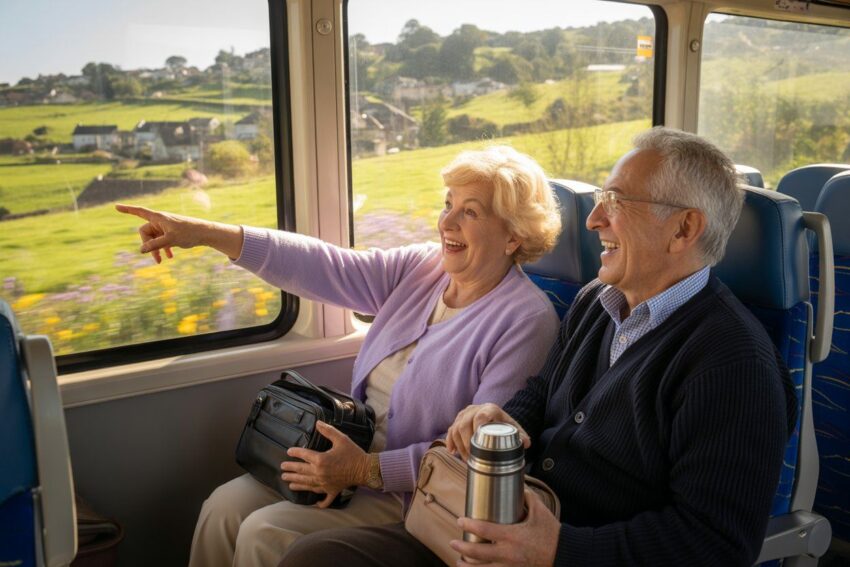
In recent years, the mobility of elderly individuals has become a major focus of research, with a growing understanding of the factors that influence their travel behaviours. A recent study by Zhu et al. (2026) in the Journal of Transport Geography uses mobile phone data to examine how the built environment impacts the travel patterns of older adults, shedding new light on how short and long-distance travel are shaped by urban infrastructure. The findings of this study provide valuable insights for urban planners and policymakers looking to enhance mobility and independence for elderly populations.
Mobile Phone Data: A Revolutionary Approach to Studying Travel Behaviors
Traditionally, research into elderly mobility has relied on surveys and self-reported data to analyze travel habits. However, Zhu et al.’s (2026) innovative approach uses real-time mobile phone data to provide a more accurate and dynamic picture of elderly travel patterns. This method allows for an unprecedented level of detail, tracking the actual movements of elderly individuals across various environments.
The study highlights how factors such as accessibility, urban density, and the availability of public transportation influence whether elderly individuals engage in short-distance, active modes of travel, like walking or cycling, or long-distance, cross-regional trips. It has long been understood that the built environment plays a key role in shaping travel behaviors, but the findings from this research take that understanding a step further, offering new perspectives on the day-to-day realities of elderly mobility.
Short-Distance Travel and the Built Environment
Short-distance travel, typically within the immediate vicinity of home, is essential for many elderly individuals. This type of travel includes activities such as walking to the local store, attending medical appointments, or engaging in social activities. Zhu et al. (2026) reveal that the built environment significantly affects how and whether older adults engage in these types of travel.
In areas with well-developed infrastructure—such as pedestrian-friendly streets, nearby amenities, and well-connected public transport systems—elderly residents are more likely to walk or cycle for short trips. This aligns with earlier studies suggesting that an accessible environment encourages active travel, which not only improves physical health but also fosters a greater sense of independence and social inclusion for seniors. Conversely, in poorly designed urban environments with few pedestrian facilities or public transport options, elderly individuals may find it more difficult to engage in short-distance travel, resulting in a greater reliance on private transportation or even the risk of becoming housebound.
Long-Distance Travel: How the Built Environment Impacts Regional Mobility
While short-distance travel is vital, long-distance mobility is becoming increasingly important for older adults, particularly in suburban and peri-urban areas. Zhu et al. (2026) found that older adults in well-connected urban areas are more likely to travel across districts and regions due to improved public transportation systems. However, the study also emphasizes that long-distance travel is highly dependent on the quality and availability of transportation infrastructure.
In cities like Beijing, for example, where senior citizens are provided with subsidized or free access to public transportation, elderly residents are more likely to travel long distances to access healthcare, visit family members, or engage in leisure activities. However, in suburban or rural areas with limited public transport options, elderly individuals may find long-distance travel challenging, often requiring them to rely on private transportation or avoid traveling altogether. This limitation not only affects their social inclusion but also impacts their ability to access essential services, contributing to a lower quality of life.
Travel Intensity: A Key Indicator of Mobility Needs
Zhu et al.’s (2026) research also introduces the concept of travel intensity, a metric that measures the actual demand for mobility relative to population density. This innovative approach shifts away from simply counting travel frequency and offers a more nuanced understanding of elderly travel needs, particularly in suburban areas where lower travel counts may obscure higher per capita mobility requirements.
By considering travel intensity, policymakers can better assess the true transportation needs of elderly populations in less densely populated regions, ensuring that services and infrastructure are designed to meet those needs. The findings of Zhu et al. (2026) suggest that areas with higher travel intensity may require more frequent and accessible transportation options, even if overall travel numbers are lower than in urban centers.
The Road Ahead: Ensuring Mobility for All Seniors
As the elderly population grows and urban landscapes evolve, it is critical to continue improving transportation systems that support the mobility of seniors. The study by Zhu et al. (2026) underscores the need for a more comprehensive approach to elderly mobility, one that takes into account both short and long-distance travel. This research is a step forward in understanding the complex interplay between the built environment and elderly travel patterns, and it calls for policies that promote accessibility and reduce barriers to travel for older adults.
In particular, urban planners and policymakers should focus on enhancing public transportation options in suburban and rural areas, ensuring that seniors can access essential services and remain connected to their communities. By integrating insights like those provided by Zhu et al. (2026) into future planning and development, we can create environments where older adults can lead active, independent lives, regardless of where they live.
The post How the Built Environment Shapes Long and Short-Distance Travel Patterns of Elderly Adults, Insights from Mobile Phone Data: Found in Research appeared first on Travel And Tour World.
