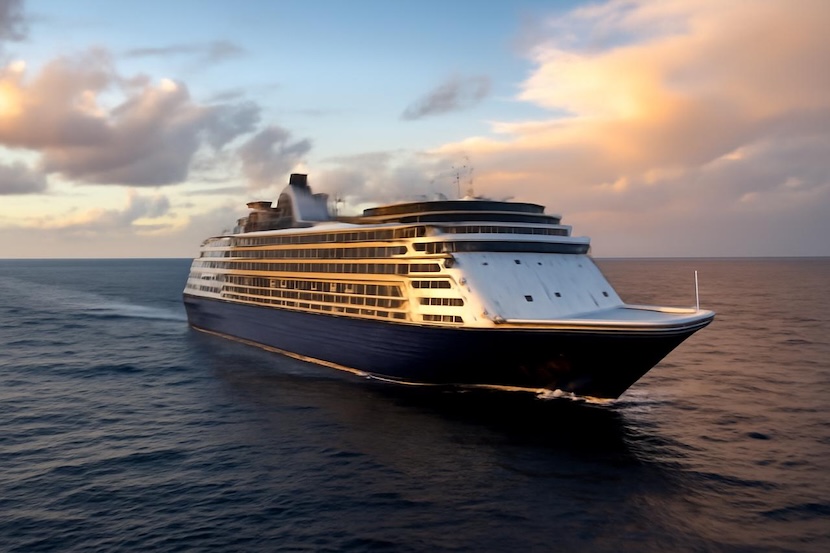

The world of cruising has entered a new era. In 2026, the oceans will be ruled by the biggest mega cruise ships, vessels so vast they feel like floating cities. These ships are no longer just transport; they are tourism powerhouses, generating economic impact wherever they sail. From the Mediterranean to the Caribbean, these mega ships influence ports, airports, hotels, and local businesses. Travellers are no longer booking a holiday—they are stepping into an experience that combines adventure, luxury, entertainment, and convenience all in one.
The biggest mega cruise ships of 2026 are redefining global travel. They demonstrate how innovation in shipbuilding, engineering, and tourism planning can reshape entire regions. For governments, ports, and travel operators, these ships are a new kind of tourism engine. For passengers, they are playgrounds at sea with endless possibilities. For the cruise industry, they are a bold statement: bigger is better, smarter, and more profitable.
Icon of the Seas: Royal Caribbean’s Unstoppable Ocean Giant
Standing at the pinnacle of cruise innovation, Icon of the Seas is a testament to ambition and scale. As the largest cruise ship in the world in 2026, it is more than just a vessel—it is a destination. Measuring nearly 1,200 feet in length with room for thousands of passengers, it is designed for maximum entertainment and convenience. Inside, passengers can explore distinct neighbourhoods that offer everything from high-adrenaline waterparks to serene, adults-only spaces.
From a tourism perspective, this ship is a game-changer. Its presence in any port transforms the local economy. Hotels, restaurants, and attractions see increased demand, while ports invest in expanded facilities to accommodate the influx. Families, couples, and solo travellers are all drawn to its unique offerings, making it an influential factor in global cruise travel. The ship is also a reflection of modern travel preferences—luxury combined with adventure, all packaged in a single floating city.
Star of the Seas: Perfecting the Mega Cruise Experience
Following closely, Star of the Seas solidifies Royal Caribbean’s strategy of mega-scale cruising. Designed to replicate the success of its sister ship, it introduces subtle improvements and refinements that enhance passenger experience. With a layout optimised for movement and engagement, the ship includes entertainment venues, dining experiences, and themed areas that appeal to all age groups.
From the travel industry’s point of view, Star of the Seas represents scalability. Cruise operators can standardise mega ship experiences while maintaining unique features for different markets. Ports benefit from increased passenger traffic, leading to infrastructure development and higher economic returns. For passengers, it is an assurance of quality, variety, and endless adventure. Mega ships like this redefine what it means to travel by sea, showing that innovation at scale drives both satisfaction and profitability.
Legend of the Seas: Europe’s Mega Cruise Marvel

Europe’s cruise market has seen explosive growth, and Legend of the Seas is at the forefront. As one of the biggest mega cruise ships of 2026, it offers itineraries across the Mediterranean, blending historical sightseeing with modern luxury. Passengers can enjoy cultural excursions during the day and immersive onboard experiences by night.
The tourism implications are immense. European ports must expand capacity, manage traffic, and create complementary services to support the influx of visitors. Cities like Barcelona, Rome, and Venice benefit from increased spending, but they also face challenges in sustainability and crowd management. For the cruise industry, ships like Legend of the Seas demonstrate that mega cruising is not only about size but strategic placement in high-demand regions.
MSC World America: Transforming North American Cruise Markets
MSC Cruises has strategically entered the North American market with MSC World America, one of the biggest mega cruise ships of 2026. The ship is designed for North American passengers, with larger cabins, diverse entertainment, and a variety of dining options. It is a bold move that challenges existing operators and sets new standards in service and design.
Ports in the United States see immediate benefits. Local economies thrive on passenger spending, from excursions to shopping and dining. Airlines, hotels, and transport services also experience a ripple effect. MSC World America demonstrates how mega ships can reshape travel markets by attracting high volumes of tourists and influencing how destinations prepare for mass arrivals. The ship proves that scale, when executed strategically, becomes a tool for market disruption and economic growth.
MSC World Europa: Sustainability at the Forefront
MSC World Europa shows that size and environmental responsibility can coexist. As one of the biggest mega cruise ships of 2026, it features eco-friendly technologies, including LNG fuel systems and energy-efficient design. Sustainability has become a critical consideration for ports, governments, and passengers alike.
From a tourism perspective, this ship is a model for responsible mega cruising. Ports with strict environmental regulations welcome such ships, ensuring compliance while benefiting economically. Travellers are increasingly drawn to ships that reduce environmental impact without compromising luxury or entertainment. World Europa demonstrates that the cruise industry can scale responsibly, providing unforgettable experiences while addressing climate concerns.
Symphony of the Seas: The Legacy of Mega Cruising

Even with new entrants, older mega ships like Symphony of the Seas continue to dominate the oceans. As one of the biggest mega cruise ships of 2026, it remains a benchmark for passenger experience. Its sprawling entertainment options, innovative design, and large passenger capacity set standards that newer ships must meet or exceed.
From an industry standpoint, Symphony of the Seas shows the lasting impact of mega ships. Ports and destinations have learned to adapt to its scale, ensuring efficient operations and maximising economic benefits. Passengers expect variety and spectacle, creating a demand that drives continuous innovation. This ship proves that longevity and reputation are just as powerful as newness in shaping global cruise travel.
Harmony of the Seas: Setting the Standard for Onboard Adventure
Harmony of the Seas is an Oasis-class giant that transformed the cruise experience. As one of the biggest mega cruise ships of 2026, it combines adventure, luxury, and entertainment into one cohesive experience. Zip lines, water slides, and multiple themed neighbourhoods provide endless options for passengers of all ages.
From a tourism and travel industry perspective, Harmony of the Seas set the stage for modern mega cruising. Its success encouraged ports and destinations to accommodate large-scale arrivals and expanded the market for onboard entertainment and retail. Passengers expect not just a voyage but an adventure, and this ship delivers. Its influence continues to shape industry expectations and passenger behaviour in 2026.
Economic Impact of Mega Cruise Ships on Global Tourism
The biggest mega cruise ships of 2026 are more than vessels—they are economic engines. Every docking translates into thousands of tourists arriving at once, boosting spending on hotels, dining, excursions, and transport. Ports expand facilities to accommodate larger ships, while governments adjust tourism policies to attract and manage cruise traffic. Mega ships also influence flight bookings, transfers, and ancillary tourism services.
Destinations benefit from increased revenue but must also manage crowding and environmental impact. Successful integration of mega ships into local tourism ecosystems requires careful planning, investment, and policy alignment. In 2026, cities that understand and leverage mega cruising gain a competitive advantage in global travel markets.
Changing Patterns in Travel and Tourism
Mega cruise ships are reshaping how people travel. Passengers prefer the convenience of all-in-one experiences, from dining to entertainment to relaxation. Ports, cities, and airlines adapt to these patterns, offering tailored services and optimising operations. Travel agencies focus on marketing these ships as destinations themselves.
The biggest mega cruise ships of 2026 have created a new paradigm. Tourism is no longer confined to land. The sea has become a destination, a stage for luxury, adventure, and mass enjoyment. Destinations that fail to accommodate these ships risk losing out on millions of tourists and significant economic opportunities.
The Future of Mega Cruising Beyond 2026

Looking beyond 2026, the trend is clear: bigger ships, smarter design, and greater integration with tourism infrastructure will dominate. Environmental sustainability, passenger comfort, and technological innovation will continue to drive development. Ships like Icon of the Seas, MSC World Europa, and Harmony of the Seas set benchmarks that future vessels must meet or exceed.
The cruise industry is now a global tourism powerhouse. Mega ships influence travel patterns, economic flows, and destination planning on a scale previously unimaginable. By 2030, mega cruising will not just be a holiday option—it will be a key factor in shaping the world’s tourism economy.
The post Icon of the Seas Joins Star, Legend, MSC World America, Europa, Symphony and Harmony as the Biggest Mega Cruise Ships of 2026 Redefining Global Travel Adventures! appeared first on Travel And Tour World.
