
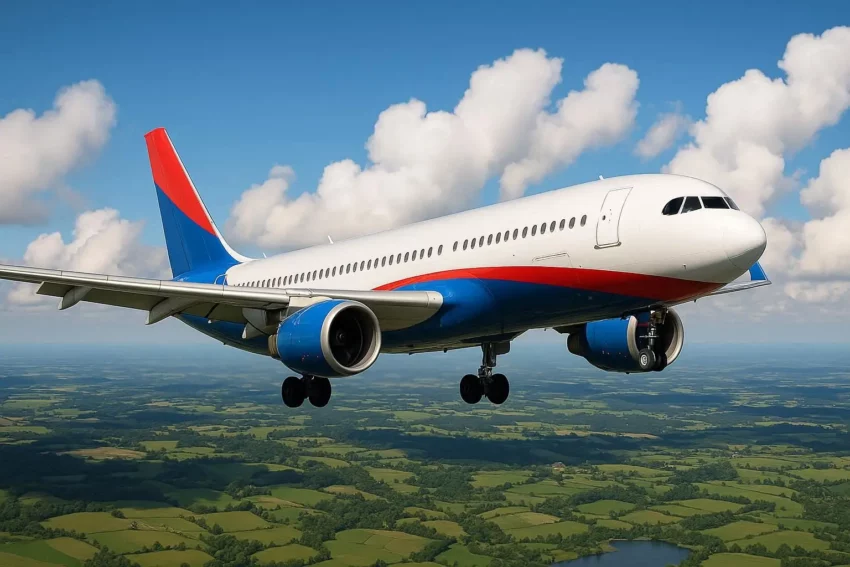

nternational passenger flows, with IndiGo, Air India, international passengers, Boeing 787 Dreamliner, and Indian aviation sector emerging as central reference points in industry analysis. The disruption triggered by the crash led to capacity adjustments, regulatory scrutiny, and changing traveller sentiment, particularly on routes operated by wide-body aircraft. As these developments unfolded, IndiGo was positioned to benefit from its extensive short- and medium-haul international network serving key destinations across Asia and the Middle East. Meanwhile, the Air India Group, including Air India Express, was confronted with fleet, scheduling, and reputational pressures that influenced demand. The resulting redistribution of international passenger traffic has been interpreted as more than a temporary fluctuation, instead being viewed as a structural change with implications for travel, tourism, and connectivity between India and global markets. This evolving hierarchy continues to shape outbound tourism and inbound travel confidence.
The Ahmedabad Crash and Its Immediate Impact
The June 12 crash of Air India flight AI 171 shortly after departure from Ahmedabad marked one of the most severe aviation tragedies in India in recent decades. A Boeing 787 Dreamliner was involved, and the scale of the loss led to immediate operational reviews and public concern. In the aftermath, international travel demand was affected as confidence in long-haul operations softened. Capacity reductions were implemented across several overseas routes, particularly from major hubs such as Delhi. These decisions were influenced by safety reviews, crew availability, and the need to stabilize operations following the incident.
Within India and abroad, the crash was closely followed by travelers, tour operators, and foreign aviation authorities. For the tourism sector, uncertainty was introduced into outbound travel planning, especially for destinations dependent on long-haul connectivity. As a result, alternative carriers and routings were increasingly considered by passengers seeking continuity and reassurance.
IndiGo’s Strategic Positioning in International Markets
During this period of disruption, IndiGo’s international strategy was supported by its dense network of short- and medium-haul routes. Services connecting India with destinations in the Middle East and neighboring regions were maintained with relatively high reliability. This consistency allowed international travel demand to be absorbed without the need for aggressive expansion.
By the July to September 2025 quarter, regulatory data indicated that 41.36 lakh international passengers were carried by IndiGo. In comparison, 41 lakh passengers were transported by Air India and Air India Express combined. Although the numerical difference appeared narrow, the milestone was significant, as it represented the first instance in which IndiGo moved ahead of the Tata-owned group in international passenger volumes.
From a tourism perspective, this development strengthened IndiGo’s role as a preferred carrier for regional leisure and business travel. Routes linking India with destinations such as Abu Dhabi and other Gulf hubs supported outbound tourism while also facilitating inbound visitor flows.
Air India Group Capacity Reductions and Demand Softening
Following the crash, a reduction of approximately 15 percent in long-haul wide-body flights was implemented by Air India. These adjustments were introduced in the weeks immediately after the incident and were aimed at stabilizing operations. However, the changes also constrained seat availability on international routes, particularly those traditionally popular with long-haul travelers.
Passenger hesitation toward flying on Boeing 787-operated services further softened demand. This hesitation influenced booking behavior, with travelers opting for carriers perceived to offer more predictable operations. For international tourism, the reduced availability of direct long-haul flights from India resulted in itinerary changes and, in some cases, deferred travel plans.
Operational Performance and Regulatory Scrutiny
A contrast in operational management was highlighted by data covering the period between December 1 and 9. During this timeframe, only 2.4 percent of IndiGo’s 2,702 scheduled international flights were canceled, allowing overseas services to remain largely unaffected. At the same time, a higher proportion of domestic flights was withdrawn due to operational pressures.
This prioritization of international services was noted by the Directorate General of Civil Aviation. A review was initiated to understand why global routes were protected while domestic capacity experienced sharper contractions. From a tourism standpoint, the preservation of international connectivity was viewed as beneficial, particularly during a volatile period for outbound and inbound travel.
Implications for Travel and Tourism Connectivity
The redistribution of international passenger traffic has had broader implications for travel and tourism between India and partner countries. Stable short-haul connectivity supported tourism flows to and from regional destinations, while reduced long-haul capacity affected markets dependent on nonstop services.
For travel planners and tourism boards, these changes required adjustments in marketing and capacity planning. Increased reliance on carriers with resilient operations highlighted the importance of network diversity in maintaining tourism momentum. IndiGo’s ability to sustain international services reinforced its presence in markets crucial for leisure travel, migrant movement, and business tourism.
Fleet Changes and Future Capacity Constraints
Looking ahead, further changes are anticipated as both major carriers adapt their fleets. Air India is preparing to temporarily withdraw several older Boeing wide-body aircraft for refurbishment or return to lessors. While this strategy is expected to improve long-term service quality, short-term constraints on long-haul availability are likely to persist until newer aircraft are inducted.
Simultaneously, the aviation ministry is finalizing a mandatory reduction of at least 10 percent in IndiGo’s overall flights following recent operational lapses. The allocation of this reduction between domestic and international routes has not yet been clarified. This uncertainty introduces questions regarding the sustainability of IndiGo’s newly achieved international lead.
Regulatory Environment and Market Balance
India’s aviation regulators have been increasingly active in overseeing operational reliability and safety compliance. These measures are intended to protect passengers and preserve confidence in the aviation system. For tourism stakeholders, regulatory oversight is seen as essential in ensuring long-term stability and international credibility.
As capacity adjustments continue, a balance is expected to be sought between growth and reliability. Airlines operating in India’s competitive environment are required to align fleet planning, crew availability, and network strategy with regulatory expectations.
The rise of IndiGo to the top position in international passenger volumes has been shaped by resilience, network stability, and tactical management rather than rapid expansion. For the Air India Group, the Ahmedabad crash has represented a profound reputational and operational challenge, with effects extending into fleet deployment and traveler confidence.
As regulatory reviews progress and capacity decisions are implemented, India’s international aviation hierarchy remains in transition. For the travel and tourism sector, these shifts underscore the interconnected nature of safety, operations, and passenger trust. The coming quarters are expected to determine whether the current balance is maintained or further redefined, with significant implications for India’s role in global travel.
The post India Aviation and Tourism Shifts as IndiGo Surpasses Air India in International Passenger Growth After 2025 Dreamliner Crash appeared first on Travel And Tour World.
