
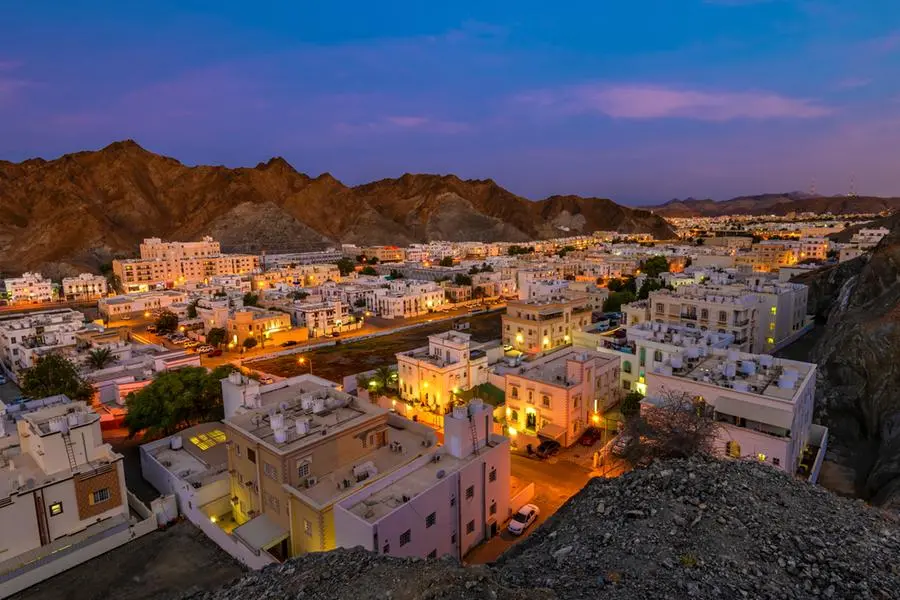
Oman is changing—quietly, strategically, and more efficiently than many outside observers realize. While global powers wrestle with economic slowdowns, political divides, and energy transitions, Oman is charting a path that blends stability with ambition. The country’s new wave of policies, from fiscal reforms to industrial innovation, signals not just adaptation, but a bold recalibration of its national identity and long-term direction. Behind the headlines lies a deeper story: a nation preparing itself for a new era of regional relevance and global competitiveness.
This is the inside look at Oman’s new vision—and how the decisions made today are reshaping the nation’s future.
A Vision Rooted in Stability—but Geared Toward Transformation
Unlike countries that adopt abrupt, disruptive reforms, Oman’s approach has always been methodical. Vision 2040—its long-term blueprint—is not a political slogan but a state-driven development framework grounded in data, demographics, and global trends. What makes it notable is how it pairs continuity with innovation. Oman wants transformation, but it refuses to compromise its stability to get there.
At the core of this vision is a simple but powerful strategy: diversify the economy, empower people, and modernize governance. These pillars drive almost every major policy being implemented across the country today—from financial restructuring to labor market reforms to investment incentives.
But beneath these broad themes, Oman is making specific, targeted moves that reveal what the nation intends to become in the next two decades.
Economic Diversification Is No Longer a Goal—It’s a Timeline
For decades, Gulf nations have talked about reducing dependence on oil. Oman is finally doing it. The country has introduced sweeping fiscal reforms, expanded industrial zones, and strengthened its non-oil export capabilities. What used to be “long-term ambitions” are now deadlines with measurable outcomes.
Sectors like logistics, tourism, fisheries, and mining have become central to the country’s redefined economic engine. New ports, free zones, and digital customs systems are turning Oman into a high-value global trade gateway. Meanwhile, tourism policies emphasize sustainability over mass inflow, focusing on cultural, adventure, and heritage experiences that protect the country’s natural landscape.
And perhaps the most underestimated shift: Oman is slowly emerging as a regional logistics competitor—not by outspending rivals, but by positioning itself strategically between East Africa, South Asia, and the Gulf.
A Governance Upgrade: Oman’s Administrative Machine Is Getting Smarter
One of the most transformational—but least talked about—changes underway in Oman is the modernization of governance. Digital processes, unified service portals, and streamlined regulations are redefining how citizens and businesses interact with the state. Bureaucracy, once a source of friction, is being replaced by performance-based systems that increase transparency and accountability.
The government’s push for e-services isn’t just about efficiency. It’s about preparing Oman for a future where speed, clarity, and global competitiveness are the new currency of state performance.
This is how nations build trust. And Oman is doing it without the social upheaval seen elsewhere.
The Workforce Transition: Oman’s Human Capital Is Being Re-engineered
Policies targeting labor markets and workforce development suggest a national priority: creating opportunities for Omanis to lead the next phase of growth. Omanization policies have been recalibrated—not to replace expatriates overnight, but to align job creation with the skillsets the future economy demands.
Technical training programs, entrepreneurship initiatives, and digital literacy campaigns reveal the trajectory Oman is aiming for: a diversified workforce prepared for technology-driven industries.
This approach is less about restricting opportunities and more about cultivating national capability. Oman’s future economy will require engineers, data specialists, innovators, and sustainability experts—and current policies are designed to build exactly that talent base.
Infrastructure: The Foundation of a Modern Oman
Behind every successful national strategy lies strong infrastructure, and Oman has been quietly building one of the most sophisticated systems in the region. Policies supporting renewable energy, smart cities, upgraded road networks, and advanced ports are laying the groundwork for long-term competitiveness.
The emphasis on green energy—particularly solar and wind—shows Oman’s recognition of a changing global energy landscape. This isn’t just environmental policy; it’s economic strategy. A diversified energy portfolio strengthens industries, reduces long-term fiscal pressure, and positions Oman as a forward-thinking regional player.
If the global economy is shifting toward sustainability, Oman is ensuring it enters the new era prepared—not reactive.
Foreign Investment: A More Open, Confident Oman
Recent reforms indicate a shift in how Oman sees itself on the global investment map. New laws now allow full foreign ownership in many sectors, simplified company registration processes, and customized investment incentives that appeal to international businesses.
These changes reflect a confident nation—one that understands its geographic and economic value. Instead of competing solely on incentives, Oman is competing on predictability, safety, and long-term vision. In a global market full of uncertainty, that stability becomes a strength.
A New Social Contract: Tradition Meets Modern Aspirations
Perhaps the most fascinating part of Oman’s transformation is how modern policies are being integrated without compromising cultural identity. Social reforms, youth initiatives, and digital engagement efforts all aim to strengthen—not replace—Omani heritage.
This balance between tradition and progress is one of Oman’s most strategic advantages. In a region where rapid modernization sometimes creates friction, Oman’s measured approach maintains unity while preparing its society for change.
The Road Ahead: Oman’s Future Is Being Built Now
What the world often overlooks is that Oman’s shift is not reactionary—it is proactive. The nation isn’t waiting for global crises to force adaptation. It is engineering its future step by step, policy by policy.
Oman is shaping an economy that is agile, diversified, and resilient.
It is modernizing governance to be more transparent and globally competitive.
It is developing a workforce capable of thriving in a technology-driven world.
It is opening its doors wider to investors while protecting national interests.
And most importantly, it is doing all of this without losing the social stability and cultural continuity that define its identity.
This is Oman’s new vision: not loud, not rushed, but deliberate, determined, and deeply strategic. A future built quietly—but built to last.
If the world wants to understand where Oman is heading, it must look beyond the headlines. The real story is unfolding in its policies—and the transformation has only just begun.
