
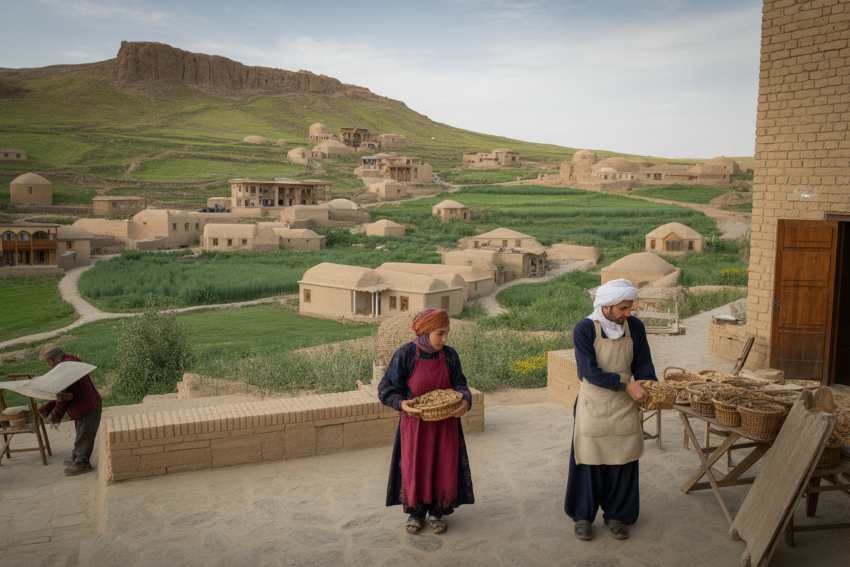

Iran is set to propose 12 villages to the United Nations Tourism Organization (UN Tourism) in a bid to promote rural tourism. These villages have been carefully selected for their strong tourism potential, with an emphasis on sustainability, infrastructure, and supporting local economies. This initiative, supported by the Ministry of Cultural Heritage, Tourism, and Handicrafts, aims to bring tourism to lesser-known parts of the country, creating new opportunities for rural communities while helping to preserve their cultural heritage.
Shortlisting Process for UN Tourism Nomination
The selection process began with the identification of 100 villages across Iran that were considered to have the potential for tourism development. Through rigorous field visits and expert assessments, the list has been narrowed down to just 12 villages. The final list includes a diverse selection of locations, ranging from rural agricultural villages to those with rich cultural heritage. These villages will be carefully evaluated for their readiness to meet the criteria set by UN Tourism, which include sustainability, infrastructure quality, safety, governance, and the strength of their tourism value chains.
The 12 Shortlisted Villages
The final selection features villages from various regions of Iran, each offering unique tourism experiences. The list includes:
- Riab in Khorasan Razavi
- Qaleh Bala in Semnan
- Shaneh Tarash in Mazandaran
- Gisum in Gilan
- Mueil in Ardabil
- Pamenar in Khuzestan (Dezful)
- Bisheh in Lorestan
- Anjadan in Markazi
- Mas in Isfahan
- Afin in South Khorasan
- Darak in Sistan and Baluchestan
- Marin in Kohkiluyeh and Boyer-Ahmad
Each of these villages has been recognized for its potential to attract both local and international tourists. The selection process, while rigorous, reflects Iran’s broader strategy to promote sustainable tourism that respects local traditions, ecosystems, and economies.
Key Criteria for UN Tourism Recognition
The selection for UN Tourism recognition involves more than just scenic beauty. UN Tourism evaluates villages based on a variety of indicators that are crucial for the long-term sustainability of tourism. These include the quality of infrastructure such as roads, healthcare facilities, and accommodation; the safety of the destination; effective governance structures; and the capacity of local communities to engage with tourism while maintaining cultural authenticity.
In addition, the tourism value chain is an important criterion. Villages with well-developed tourism infrastructure, including hospitality services, tour guides, and local handicraft industries, are seen as prime candidates for inclusion in the prestigious list of global tourism villages.
Challenges to Global Registration
While these villages show immense potential, challenges remain. Infrastructure weaknesses, including limited transport options and inadequate financial services, continue to pose significant barriers to achieving global recognition. Furthermore, environmental challenges, such as resource management and sustainability, need to be addressed to meet the standards set by UN Tourism.
Despite these obstacles, villages like Pamenar in Khuzestan are considered strong candidates for global recognition. This village is particularly noted for its thriving tourism-based economy, which has already demonstrated its ability to integrate local handicrafts and natural landscapes into the tourism experience. If Pamenar can overcome its remaining infrastructure challenges, it is well-positioned to make a significant impact on global tourism.
The Growing Importance of Rural Tourism in Iran
Iran’s rural tourism sector has gained significant attention in recent years as both the government and local communities have recognized the importance of promoting lesser-known destinations. With a focus on sustainability, these initiatives aim to spread the benefits of tourism beyond the crowded urban centers, helping to preserve traditional lifestyles while providing economic opportunities for rural populations.
In 2023, Kandovan, a picturesque village in East Azerbaijan, was named the world’s best tourism village by UN Tourism, setting a precedent for other Iranian villages. Following this recognition, other villages such as Esfahak in South Khorasan and Kandolus in Mazandaran have been registered among Iran’s top tourism destinations. This growing recognition of Iran’s rural villages signals a new era of tourism, where both economic and cultural sustainability go hand in hand.
A Vision for Sustainable Rural Tourism
The goal of the Ministry of Cultural Heritage, Tourism, and Handicrafts is to create a sustainable tourism ecosystem that benefits local communities without compromising their cultural or environmental integrity. The shortlisted villages represent a diverse range of potential, from those with centuries-old architectural heritage to those with untouched natural beauty. By focusing on these areas, Iran hopes to reduce the pressure on its more well-known tourist spots while promoting responsible tourism practices.
Looking Ahead: The Role of Global Recognition
As Iran works to meet the criteria set by UN Tourism, the successful nomination of these villages could play a transformative role in their development. Recognition from UN Tourism can open doors to increased international visibility, financial support, and infrastructure development, which could in turn improve the lives of residents in these villages.
Moreover, the process could encourage other villages in Iran to adopt sustainable practices, improving their readiness for future tourism initiatives. By fostering a culture of responsible tourism, Iran aims to position itself as a leader in the global tourism industry, offering authentic and enriching experiences for travelers while preserving its rich cultural heritage.
Conclusion
The selection of 12 villages for global recognition by UN Tourism highlights Iran’s strong dedication to fostering sustainable rural tourism. While there are still obstacles to overcome, this initiative marks a major step towards creating a more inclusive and well-rounded tourism industry. As these villages continue to develop, they hold the promise of offering both locals and international visitors a rare opportunity to experience the country’s rich culture and stunning landscapes. With continued investment in infrastructure and a focus on sustainability, Iran’s rural tourism could serve as an inspiring example for other nations to follow.
The post Iran Set to Nominate Twelve Villages for UN Tourism Recognition to Promote Sustainable Tourism appeared first on Travel And Tour World.
