
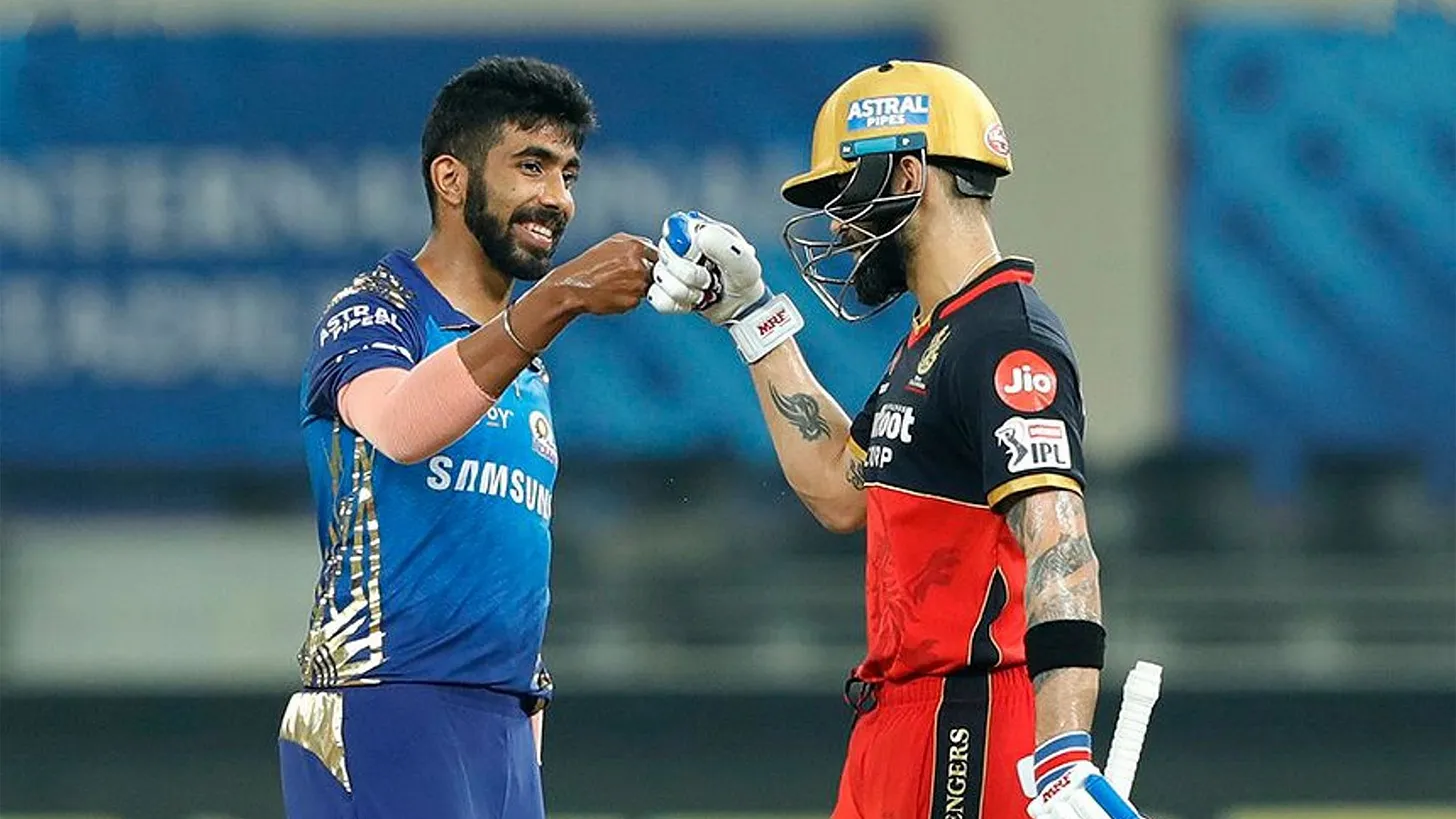
For nearly two decades, the Indian Premier League (IPL) has been more than a cricket tournament—it has been a cultural phenomenon, a financial powerhouse, and a blueprint that has reshaped the sport’s global future. From million-dollar auctions to franchise-style ownership, from celebrity appeal to non-stop entertainment, the IPL introduced a model that many thought was too bold, too commercial, or too risky.
But today, something undeniable is happening: cricket boards around the world are adopting the IPL playbook. Leagues are popping up in every region. Broadcasters are paying record-breaking fees. Players are prioritizing franchise commitments over national duty. And cricket itself is evolving into a global entertainment product driven by T20 leagues.
The question is no longer whether the IPL model is influencing world cricket—it’s whether it is quietly taking over the entire ecosystem.
Here’s what the rise of the IPL-inspired revolution really means.
The IPL Didn’t Just Change Cricket—It Changed the Business of Cricket
Before the IPL, cricket boards depended heavily on bilateral series, long tours, and traditional structures. The IPL challenged that formula with a franchise-first, entertainment-heavy approach powered by:
- Massive private investment
- Player auctions
- Short, explosive matches
- Stadium entertainment
- Celebrity involvement
- Marketing-driven storytelling
It wasn’t just cricket—it was a multi-layered entertainment product. And it worked.
The success triggered a realization across the cricketing world: the future of cricket isn’t slow, long, or seasonal. It’s fast, frequent, and financially explosive.
The Rise of Global T20 Leagues: The IPL Blueprint Spreads
Today, you can see the IPL’s fingerprints everywhere. Almost every major cricketing region has launched its own franchise-based T20 league:
- Big Bash League (BBL), Australia
- Pakistan Super League (PSL)
- Sri Lanka Premier League (LPL)
- Bangladesh Premier League (BPL)
- SA20, South Africa
- Major League Cricket (MLC), USA
- ILT20, UAE
- Caribbean Premier League (CPL)
These leagues follow the same formula: player drafts, private ownership, short formats, broadcasting deals, and a festival-like atmosphere.
Many even feature IPL franchise owners—Mumbai Indians, Chennai Super Kings, Kolkata Knight Riders—expanding their global footprint and turning cricket into a multi-country franchise ecosystem.
This isn’t just imitation; it’s expansion.
Players Are Choosing Leagues Over National Duty
This is perhaps the clearest sign of the IPL model’s influence. Around the world, top cricketers increasingly prioritize T20 leagues because they offer:
- Higher income
- Shorter commitments
- Improved visibility
- Global fan followings
- Multiple yearly opportunities
Some players now earn more in six weeks than they would in years of national duty.
This shift has sparked debates:
Is cricket becoming a club-first sport like football?
Are national teams losing their dominance?
Is Test cricket at risk?
What was once a distant concern is now a real discussion.
The IPL Model Is Changing How Young Players Train
Aspiring cricketers no longer dream only of national caps—they dream of league contracts. Development academies are shaping players who excel in:
- Power hitting
- Tactical T20 bowling
- Sharp fielding
- Commercial adaptability
The IPL revolution has shifted cricket’s talent pipeline from patience and technique to speed, strike rate, and adaptability.
Modern players need:
- Big shots
- Quick reflexes
- Ability to perform under lights
- Flexibility with multiple global leagues
This is a new breed of cricketer—built for the franchise world.
Broadcasters Are Betting on the T20 League Format
Media rights tell the clearest story. The IPL’s broadcasting deals shattered global records, surpassing even some major international sports properties.
Seeing these numbers, broadcasters worldwide have pushed cricket boards to create shorter, franchise-style tournaments that guarantee viewership and year-round engagement.
Leagues offer:
- Predictable schedules
- Star players
- Story-driven rivalries
- High-volume digital engagement
In the media world, this consistency is gold.
Is This the Era of “Franchise Cricket First”?
Many experts believe franchise cricket is becoming the sport’s financial backbone. With IPL teams expanding globally, a shared multi-league ecosystem is forming:
- MI Emirates
- MI New York
- Knight Riders in USA, UAE, Caribbean
- Super Kings in South Africa
This unified ownership model mirrors global football clubs with multiple teams. It’s turning cricket into an international franchise empire.
And if this trend continues, cricket might soon have year-round league circuits where players move between teams like global athletes.
What Happens to Test and ODI Cricket?
This is the question purists fear most.
The IPL model’s explosive growth has overshadowed traditional formats. Countries are reducing bilateral schedules. Stadiums fill for T20s but not always for Tests. Players opt for league deals to extend careers and earn more.
Still, Test cricket remains a prestige format. ODIs survive through the World Cup’s global appeal. But the balance has shifted—the power lies with T20 leagues, not traditional boards.
So, Is the IPL Model Taking Over World Cricket?
All signs point to yes—and fast.
- More leagues are emerging
- Players are reshaping priorities
- Broadcasters are funding shorter formats
- Global franchises are expanding
- Fans prefer fast, dramatic action
But the takeover isn’t a hostile one. It’s a natural evolution—fueled by entertainment, innovation, and global demand.
A Future Defined by the IPL Influence
If current trends continue, cricket may soon resemble global football:
- International tournaments act as milestones
- Leagues run the calendar
- Franchises dominate player identity
- Global fanbases connect across continents
In this future, the IPL stands not just as a league, but as the blueprint that reshaped the sport’s direction.
World cricket is not resisting this model—it’s embracing it.
And as long as fans prefer speed, drama, and star power, the IPL-inspired era will continue rising, expanding, and redefining cricket for generations to come.
