


In 2025, Jamaica joined Mexico, the Bahamas, Dominican Republic, Costa Rica, Belize, and other Caribbean destinations in facing a significant decline in US tourist arrivals. While these iconic destinations have long attracted travelers with their beaches, culture, and natural beauty, factors such as increased competition from emerging locations, shifting consumer preferences, and the aftermath of economic uncertainty have contributed to the downturn. Despite these challenges, each of these countries is actively adjusting its strategies to remain competitive and appeal to evolving traveler needs. With 2026 on the horizon, these destinations are rethinking their tourism approaches, focusing on sustainability, diversifying offerings, and enhancing connectivity to ensure continued success in the global travel market.
Mexico: Navigating a Small Decline in Tourist Arrivals
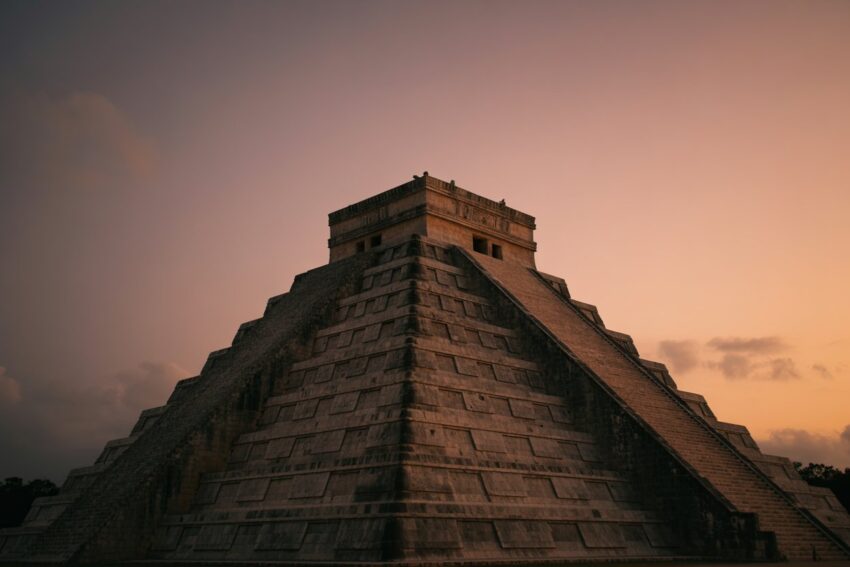
Mexico remains a staple in Caribbean tourism for US travelers, offering a diverse range of attractions, from world-class beaches to vibrant cultural hubs. However, recent statistics reveal a 1.1% drop in US tourist arrivals, with numbers falling from 11,541,555 to 11,420,334 in the January to October period. Although the decrease may seem small, it highlights some of the challenges the country faces in maintaining its dominant position in the Caribbean tourism market. Factors such as economic uncertainties, changes in consumer behavior, and the rise of alternative destinations have contributed to this decline. Mexico’s traditional allure, with its picturesque coastal resorts in places like Cancun and Cabo San Lucas, continues to draw millions of visitors, but growing competition from other Caribbean and Latin American destinations is starting to chip away at its share of US travelers. Additionally, shifts in US travel preferences—such as a growing demand for more secluded, off-the-beaten-path destinations—may also be affecting Mexico’s numbers. Despite this minor downturn, Mexico’s rich cultural offerings, convenience, and established tourism infrastructure continue to position it as one of the most visited countries in the region. To overcome this decline, Mexico may need to enhance its marketing efforts, attract a broader demographic, and adapt to evolving travel trends.
Jamaica: A Caribbean Icon Faces Declining Visitor Numbers

Jamaica has long held a reputation as one of the most vibrant and sought-after destinations in the Caribbean for US tourists. Known for its reggae music, rich history, and sun-kissed beaches, the island has seen a 2.7% decline in US tourist arrivals, dropping from 1,704,926 to 1,659,717 in the January to October period. While still a beloved vacation spot, this slight decrease in tourism numbers underscores the shifting dynamics of the global travel market. There are several factors contributing to this downturn, including the economic aftermath of the pandemic, increased competition from newer and more affordable destinations, and changing preferences among travelers who are increasingly looking for more immersive or less commercialized experiences. The Caribbean’s appeal, especially to US tourists, has grown more diversified in recent years, with some travelers seeking more tranquil, less crowded destinations. Jamaica, with its lively resorts and bustling tourism infrastructure, may be experiencing a bit of visitor fatigue as tourists look for something different. Nonetheless, Jamaica’s iconic status in the Caribbean tourism industry ensures that it remains a top contender for US tourists. To counter this decline, Jamaica might consider diversifying its tourism offerings, emphasizing eco-tourism, and continuing to build on its unique cultural identity.
Dominican Republic: Maintaining Popularity Amidst a Small Decline

The Dominican Republic is a perennial favorite for US tourists, offering beautiful beaches, all-inclusive resorts, and rich cultural experiences. Yet, recent data shows a 2.7% decline in US tourist arrivals, from 3,033,293 to 2,952,593 in the January to November period. This slight decrease, although concerning, is not entirely surprising given the increasing competition in the Caribbean region. The Dominican Republic has faced growing rivalry from other islands offering similar amenities and experiences. Economic conditions, shifting travel preferences, and the lingering effects of the global pandemic have all contributed to a slight drop in visitor numbers. Despite this, the Dominican Republic remains a powerhouse in Caribbean tourism, largely due to its affordability, accessibility, and wide range of vacation options, from the bustling resorts of Punta Cana to the cultural charm of Santo Domingo. However, to stay competitive, the country may need to reevaluate its tourism marketing strategies, embracing new trends such as sustainable travel and adventure tourism. Strengthening its reputation as a top-notch eco-tourism destination could help mitigate the effects of the decline and appeal to a broader audience, ensuring that the Dominican Republic retains its position as a key player in Caribbean tourism.
Bahamas: Facing Subtle Declines in a Major Tourist Destination

The Bahamas, known for its pristine beaches and luxurious resorts, has seen a 2.7% decline in US tourist arrivals, dropping from 1,087,036 to 1,058,104 between January and July. The decline, though not catastrophic, raises important questions about the future of the Bahamian tourism industry, especially as it is one of the most visited Caribbean destinations by US tourists. The Bahamas offers a diverse range of attractions, from exclusive resorts on Nassau and Paradise Island to secluded islands offering a more intimate escape. However, the island nation faces challenges, such as increased competition from emerging destinations and a shift in US travel preferences. Travelers are increasingly drawn to destinations offering unique cultural experiences or eco-tourism options, which may be contributing to the decline. Economic factors, including higher costs for travel and accommodation, may also be pushing US tourists to seek more affordable alternatives. Despite these challenges, the Bahamas remains a premier vacation spot for many, offering a luxurious, easy-to-reach getaway. To combat the slight downturn, the Bahamas could focus on rebranding itself by promoting its less explored islands and emphasizing eco-friendly tourism, ensuring that it continues to attract tourists seeking relaxation, adventure, and exclusivity.
Costa Rica: A Minor Decline in Eco-Tourism Appeal

Costa Rica, renowned for its biodiversity, lush rainforests, and sustainable tourism practices, has experienced a modest 0.9% decline in US tourist arrivals, from 1,458,912 to 1,445,663 between January and November. Costa Rica has traditionally attracted US tourists seeking adventure, eco-tourism, and an escape from mass tourism. However, this slight dip in visitors points to a broader trend affecting eco-tourism destinations. As travelers look for more remote and novel experiences, Costa Rica may be facing increased competition from other eco-friendly destinations, both in the Caribbean and beyond. Additionally, shifts in travel patterns post-pandemic, combined with higher travel costs and economic uncertainty, could be impacting the flow of visitors. Nevertheless, Costa Rica’s commitment to sustainable practices and its rich natural heritage continue to make it a unique destination. To reverse this trend, the country may need to further invest in promoting its lesser-known regions, which offer pristine wilderness and authentic cultural experiences. Costa Rica’s eco-tourism sector still holds immense potential, and by adapting to shifting trends, it can continue to attract environmentally-conscious travelers, maintaining its position as a leading destination for nature lovers and adventure seekers.
Belize: A Subtle Shift in Visitor Numbers

Belize, with its breathtaking coral reefs, ancient Mayan ruins, and eco-tourism offerings, has experienced a slight 1.3% decrease in US tourist arrivals, from 336,459 to 332,185, during the January to November period. Though this decline is relatively small, it reflects broader trends in the Caribbean tourism market, where changing preferences and increased competition are taking a toll on more traditional destinations. Belize, while offering unique experiences such as diving in the Blue Hole and exploring the Mayan temples, faces the challenge of standing out in a region with a rapidly growing list of appealing travel options. Additionally, the increase in budget-conscious travelers seeking more affordable destinations could be affecting Belize’s tourism numbers. Despite this minor downturn, Belize remains an exceptional destination, especially for those seeking an authentic, unspoiled Caribbean experience. The country’s focus on eco-tourism, with its protected marine reserves and efforts to preserve biodiversity, continues to attract environmentally-minded travelers. To boost its appeal, Belize may want to focus on expanding its marketing efforts, emphasizing its unique blend of nature, culture, and adventure. By leveraging its natural beauty and distinctive offerings, Belize can overcome the minor decline and continue to draw visitors seeking a tranquil and culturally rich escape.
Decline in US Tourist Stopovers in Select Caribbean Countries
Recent data indicates a noticeable decline in US tourist stopovers across several Caribbean and nearby destinations in the current reporting period compared to the previous period. The trends highlight that countries such as Costa Rica, Belize, Bermuda, Montserrat, Grenada, and Dominica have all experienced reductions in the number of US visitors, suggesting broader challenges for travel and tourism sectors in these regions. For instance, Costa Rica saw a marginal decline of 0.9% in stopovers, while Belize recorded a slightly larger 1.3% decrease. Bermuda’s figures also reflect a decrease of 3.1%, and Grenada experienced a more significant 6.8% drop. Montserrat and Dominica, smaller destinations with limited tourism infrastructure, faced even steeper declines of 5.2% and 50.1%, respectively.
These downturns could be attributed to several factors including shifting travel preferences, economic pressures, and heightened competition from other destinations that continue to attract American tourists. The data underscores the urgency for tourism stakeholders in these countries to reassess marketing and travel experience offerings to better align with evolving traveler expectations. Understanding these patterns, as highlighted by TourismAnalytics.com, is critical in shaping strategies aimed at recovering and revitalizing tourism flows from the key US market moving forward.
| Country | Current Period | Previous Period | % Change | Time Frame |
|---|---|---|---|---|
| Costa Rica | 1,445,663 | 1,458,912 | -0.9% | Jan-Nov |
| Mexico | 11,420,334 | 11,541,555 | -1.1% | Jan-Oct |
| Belize | 332,185 | 336,459 | -1.3% | Jan-Nov |
| Bermuda | 118,290 | 122,054 | -3.1% | Jan-Sep |
| Montserrat | 1,809 | 1,909 | -5.2% | Jan-Sep |
| Grenada | 82,494 | 88,558 | -6.8% | Jan-Oct |
| Dominica | 4,586 | 9,185 | -50.1% | Jan-Jun |
Tourism Strategies to Attract US Visitors in 2025–2026

Jamaica
- Expanding air connectivity with over 55 global gateways to boost access for US tourists.
- Focusing on incentive travel and business tourism to diversify US visitor demand.
- Promoting eco-friendly tourism and community-focused experiences supported by the Tourism Enhancement Fund.
- Attracting visitors with events like the Jamaica Jazz & Blues Festival.
Dominican Republic
- Increasing flights and expanding low-cost routes to enhance US accessibility.
- Running targeted campaigns like “Dominicana Smiles at You” to promote cultural and community tourism.
- Highlighting lesser-known regions like Miches and Samaná to diversify attractions beyond resorts.
Mexico (Caribbean / Quintana Roo Region)
- Growing tourism through improved infrastructure in Cancún and Riviera Maya.
- Offering a mix of beach, culture, adventure, and luxury experiences to appeal to US tourists.
Costa Rica
- Promoting eco-tourism and sustainability with nature-based travel experiences like rainforests and wildlife tours.
Belize
- Differentiating itself by promoting barrier reefs, jungle lodges, and archaeological sites for adventure and nature lovers.
In 2025, Jamaica joined Mexico, the Bahamas, Dominican Republic, Costa Rica, Belize, and others in facing a significant decline in US tourist arrivals. Factors like competition, changing preferences, and economic shifts are impacting these Caribbean destinations, but they’re adapting for 2026.
Conclusion
Jamaica’s experience mirrors that of Mexico, the Bahamas, Dominican Republic, Costa Rica, Belize, and other Caribbean destinations in facing a significant decline in US tourist arrivals. The downturn, influenced by factors like increased competition, shifting traveler preferences, and economic uncertainties, has prompted these countries to rethink their tourism strategies. As they approach 2026, each destination is actively refining its offerings, focusing on sustainability, diversifying attractions, and improving accessibility to maintain their appeal. While the decline poses challenges, the adaptability of these Caribbean destinations ensures they will continue to be major players in the global tourism market.
The post Jamaica Joins Mexico, Bahamas, Dominican Republic, Costa Rica, Belize, and Others Across Caribbean in Facing a Significant Decline in US Tourist Arrivals Last Year and How They Are Approaching 2026: Everything You Need to Know appeared first on Travel And Tour World.
