
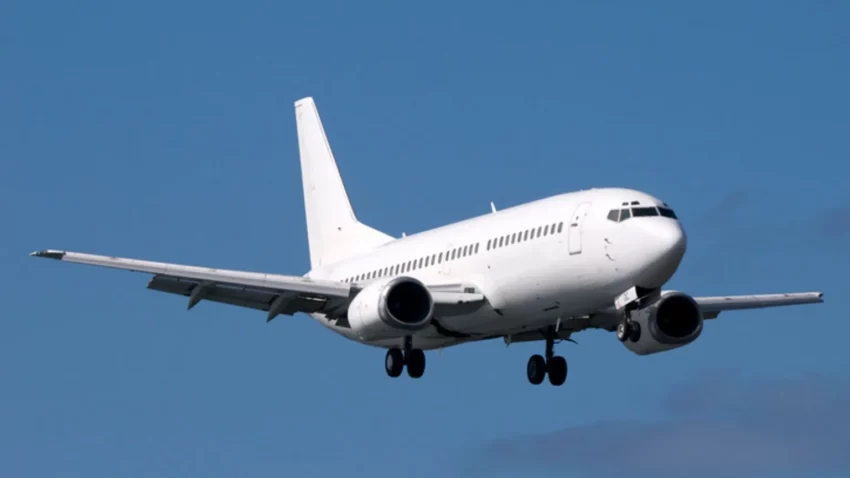

Emirates SkyCargo is preparing for a significant fleet expansion by 2026, a move that is expected to strengthen global air connectivity and indirectly support the international travel and tourism industry. The Dubai-based airline’s cargo division plans to add up to ten new Boeing 777 freighter aircraft, reinforcing Dubai’s role as one of the world’s most important aviation and logistics hubs.
While the announcement focuses on cargo operations, aviation experts note that such developments often have wider implications for passenger travel. Cargo growth typically supports route stability, airport efficiency, and the long-term viability of international flight networks that tourists rely on.
Cargo Expansion Reflects Growing Demand for Global Connectivity
The planned fleet growth reflects increasing demand for reliable air transport across major global markets. Emirates SkyCargo already operates one of the world’s largest international cargo networks, linking Asia, Europe, Africa, the Middle East, and the Americas through Dubai.
By expanding its dedicated freighter fleet, Emirates is positioning itself to meet rising demand from industries such as e-commerce, pharmaceuticals, and perishables. For travellers, this often translates into more consistent flight schedules and stronger airline presence on long-haul routes, especially those connecting emerging tourism destinations.
Industry analysts say cargo aircraft play a critical role in keeping routes economically viable, particularly during off-peak travel seasons.
Dubai’s Aviation Strategy Supports Tourism Growth
Dubai’s aviation development has long been aligned with its tourism ambitions. The city has invested heavily in airport infrastructure, digital systems, and airspace management to handle growing volumes of passengers and freight.
The SkyCargo expansion fits into this broader strategy. Cargo operations help balance aircraft utilisation, reduce pressure on passenger flights, and allow airlines to maintain services even during periods of fluctuating demand. This stability is important for travellers planning holidays, business trips, or long-distance journeys through Dubai.
Tourism authorities have consistently highlighted aviation capacity as a cornerstone of Dubai’s visitor economy.
Indirect Benefits for International Travellers
Although cargo aircraft do not carry passengers, their impact is often felt by travellers. Expanded cargo capacity improves baggage handling efficiency, supports airport operations during peak travel periods, and enables airlines to manage passenger and freight loads more effectively.
For travellers carrying special equipment, excess luggage, or travelling for events and exhibitions, improved cargo logistics can result in smoother journeys and fewer delays. It also supports the hospitality sector by ensuring timely delivery of supplies to hotels, resorts, and cruise terminals.
As global travel demand continues to recover, such operational resilience is increasingly important.
Supporting New and Existing Routes Worldwide
Cargo expansions often precede or support the launch of new passenger routes. By strengthening freight services to key cities, airlines can assess demand and build confidence before increasing passenger capacity.
Emirates SkyCargo’s growing network includes established global hubs as well as developing markets that are attracting more international visitors. For tourists, this may lead to improved access to destinations that previously required multiple connections or limited travel options.
Stronger cargo networks also help airlines maintain competitive pricing by improving overall route economics.
Dubai’s Role as a Global Transit Hub
Dubai International Airport and Dubai World Central together form one of the world’s busiest aviation ecosystems. The expansion of Emirates SkyCargo operations further consolidates Dubai’s status as a preferred transit point for travellers moving between continents.
For passengers, this means a wider range of onward connections, more reliable schedules, and improved recovery during disruptions such as weather events or operational delays. Aviation planners view cargo strength as a key factor in maintaining hub efficiency.
Dubai’s ability to manage both passenger and cargo growth has been central to its success as a global travel gateway.
Looking Ahead to 2026
The addition of new freighter aircraft by 2026 signals long-term confidence in global mobility. Emirates’ investment suggests that international travel, trade, and tourism will continue to expand in the coming years.
For travellers, the message is clear. Stronger cargo operations support stronger passenger networks. As airlines prepare for future demand, destinations like Dubai are positioning themselves to offer smoother, more reliable travel experiences.
The Emirates SkyCargo fleet expansion may focus on freight, but its impact will extend well beyond cargo terminals, shaping the future of global travel and tourism.
The post Know What Emirates SkyCargo’s Planned Fleet Growth Means for Global Tourism, Air Connectivity, and Dubai’s Expanding Aviation Role appeared first on Travel And Tour World.
