
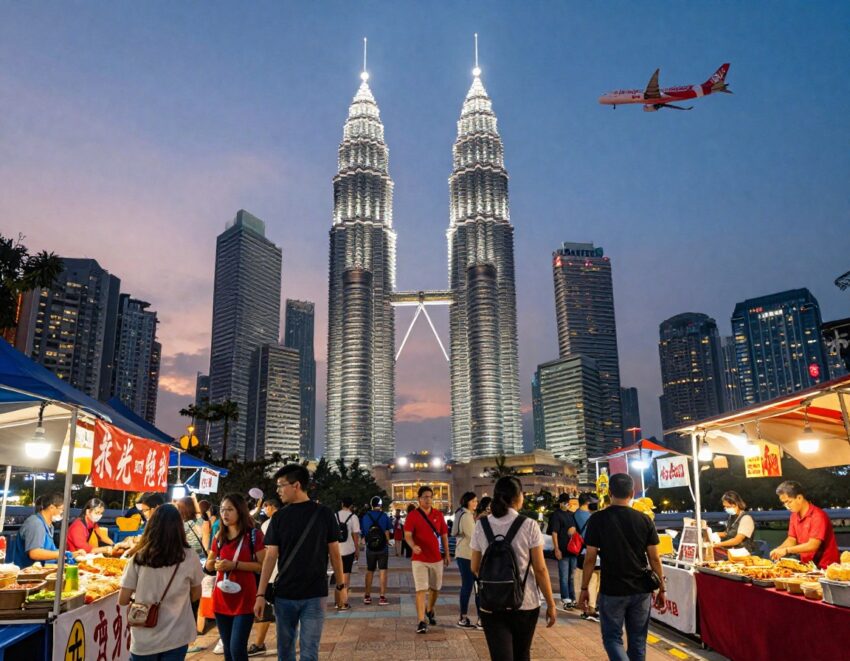

Malaysia, once a rising star in Southeast Asia’s tourism industry, has now joined the ranks of heavyweights like Singapore, Thailand, and Indonesia, emerging as the most visited country in the region. With a record-breaking 42.2 million visitors in 2025, Malaysia has surpassed its competitors, leaving them in the dust and outpacing even its most formidable neighbours in terms of international arrivals. This monumental achievement is not only a testament to the country’s appeal but also a reflection of its carefully executed strategies that have positioned it as the top travel destination in Southeast Asia. The tourism boom is reshaping the airline and hospitality industries, with major players like AirAsia and Marriott seeing unprecedented growth. As Malaysia’s tourism sector thrives, travelers from all over the world are flocking to experience its rich culture, stunning landscapes, and world-class attractions. Whether you’re seeking a luxurious beach resort in Langkawi or exploring the bustling streets of Kuala Lumpur, Malaysia has become the ultimate gateway to Southeast Asia, offering something for every kind of traveler. This remarkable surge in visitors has brought Malaysia to the forefront, setting the stage for even greater success as the country continues to capitalize on its newfound status as a tourism powerhouse.
Malaysia Joins Singapore, Thailand, and Indonesia as Southeast Asia’s Tourism Powerhouse: 42.2 Million Visitors in 2025 – Here’s How AirAsia, Marriott, and Other Giants Are Cashing In!
As the world steadily recovers from the impacts of the COVID-19 pandemic, the Southeast Asian tourism landscape has seen impressive growth, and Malaysia stands out as a true powerhouse in the region. In 2025, Malaysia shattered tourism records, attracting a staggering 42.2 million visitors, positioning itself as the most visited country in Southeast Asia. This remarkable achievement not only highlights the nation’s rising prominence on the global tourism stage but also signals significant changes in the airline and hospitality industries. Let’s dive into how Malaysia’s tourism boom is reshaping the travel landscape, the roles key players like AirAsia and Marriott are playing, and what tourists can expect in this vibrant destination.
Malaysia Joins Singapore, Thailand, and Indonesia as Southeast Asia’s Tourism Powerhouse
For years, Southeast Asia has been a beloved travel destination for millions of international tourists. Countries like Singapore, Thailand, and Indonesia have long been the region’s tourism leaders. However, Malaysia’s record-breaking 42.2 million visitors in 2025 has placed it at the top of the Southeast Asian tourism rankings. With this surge, Malaysia now joins the ranks of its regional neighbors, who have traditionally dominated the tourism sector.
The growth in Malaysia’s visitor numbers marks a 20.4% increase over pre-pandemic 2019 levels and highlights the nation’s ability to recover and grow in the post-pandemic era. In 2025, Malaysia’s tourism sector achieved an 11.2% increase from 2024, making it Southeast Asia’s biggest tourism success story of the year. This achievement underscores Malaysia’s successful strategy of positioning itself as a key tourism destination in the region, with AirAsia, Malaysia Airlines, and major hotel chains playing crucial roles in ensuring this growth.
How Malaysia Became Southeast Asia’s Leading Destination: AirAsia, Marriott, and Other Giants Cashing In!
As Malaysia reaps the rewards of its tourism boom, the airline and hospitality industries have seen significant benefits. The Airline Industry: AirAsia, Malaysia’s flagship low-cost carrier, has been one of the biggest beneficiaries of this surge. Known for its affordable rates and extensive regional and international network, AirAsia has capitalized on Malaysia’s growing appeal. With more international visitors flying in for a tropical getaway, AirAsia has ramped up its operations, increasing the frequency of flights to and from key markets like Singapore, China, and Indonesia.
In addition to regional routes, AirAsia has expanded its international network, tapping into lucrative markets in Europe and the Middle East. With increased demand for flights, AirAsia has been able to offer competitive ticket prices, making travel to Malaysia even more accessible for budget-conscious travelers. Furthermore, the airline’s focus on digital innovation—such as self-check-in options and more flexible booking policies—has made it easier for tourists to travel safely and efficiently.
On the other hand, Malaysia Airlines, the national carrier, has also seen a revival in its international routes. Known for its premium service and comfort, Malaysia Airlines has catered to a different segment of tourists, attracting travelers looking for luxury and premium services. With more visitors flocking to Malaysia’s bustling cities, beautiful beaches, and rich cultural experiences, Malaysia Airlines has increased its flight frequencies to popular destinations like Sydney, London, and Tokyo, ensuring that Malaysia remains easily accessible from every corner of the world.
The Hospitality Industry: With a rise in the number of international visitors, Malaysia’s hospitality sector has seen impressive growth. Hotel chains like Marriott, Accor, and Hilton have all invested in expanding their footprint across the country, catering to both luxury and budget travelers. From high-end resorts in Langkawi to boutique hotels in Kuala Lumpur, the options for accommodation are diverse, offering tourists a wide range of choices to suit their preferences.
Marriott, with its extensive portfolio of hotels, has capitalized on Malaysia’s growing appeal, increasing its presence in Kuala Lumpur and other major cities. The rise in visitor numbers has driven demand for both premium and mid-range accommodations. Marriott’s properties have become popular choices for tourists who seek comfort and luxury, while also offering excellent business facilities, attracting corporate travelers.
The Accor Group, which owns brands like Sofitel and Novotel, has seen similar success in Malaysia’s expanding market. In 2025, the group added several new hotels to its portfolio, catering to international and regional travelers. With an emphasis on sustainability and local experiences, Accor hotels are well-positioned to tap into the growing trend of eco-conscious tourism in Malaysia.
Additionally, global hotel chains like Hilton, InterContinental, and Hyatt have been expanding their properties in high-demand areas like Penang and Borneo, where nature tourism is gaining traction. The influx of visitors has sparked a shift in the hospitality sector toward more experiential stays, where travelers seek out local culture, culinary experiences, and unique environments that allow them to immerse themselves in Malaysia’s diverse heritage.
Why Malaysia’s Record-Breaking Tourism Numbers are Great News for Tourists
As Malaysia becomes Southeast Asia’s tourism powerhouse, tourists can expect to benefit from a range of new developments aimed at enhancing the travel experience. With increased visitor numbers comes greater competition, leading to improvements in services and better value for money. For travelers planning a visit to Malaysia in 2026 and beyond, here are a few reasons why Malaysia is a must-visit destination.
1. Affordable Flights to Malaysia from Key Markets
Thanks to the success of airlines like AirAsia and Malaysia Airlines, tourists can find affordable flights to Malaysia from key source markets across the globe. Whether you’re flying in from Singapore, China, or Europe, there are more affordable options than ever before. AirAsia’s expansive network means that travelers can often find discounted tickets to Malaysia, making it an affordable destination for tourists of all budgets.
For travelers flying from Europe or the Middle East, Malaysia Airlines offers direct flights to Kuala Lumpur and other major cities, ensuring convenience and comfort for long-haul travelers. These improved connections and competitive flight prices mean that tourists can enjoy a hassle-free journey to Malaysia without breaking the bank.
2. Luxury and Budget-Friendly Accommodation Options
Malaysia’s accommodation sector caters to a broad spectrum of travelers. From budget hostels and mid-range hotels to luxury resorts, visitors have an abundance of choices depending on their travel preferences and budgets. The rise in tourism has led to the construction of new hotels, and the expansion of existing hotel chains such as Marriott, Accor, and Hilton, offering tourists diverse options that range from luxury beachfront resorts to eco-friendly boutique hotels.
In cities like Kuala Lumpur and Penang, tourists can enjoy staying at world-class hotels and resorts that offer a blend of modern amenities and local culture. With greater competition in the hospitality industry, tourists will benefit from enhanced services, better pricing, and unique offers that enhance their overall travel experience.
3. Increased Tourism Infrastructure and Services
The rise in tourism has also led to improvements in Malaysia’s tourism infrastructure. The Kuala Lumpur International Airport (KLIA), a major hub in the region, has expanded its capacity to accommodate more international flights, providing a seamless arrival experience for tourists. Additionally, Malaysia is investing in better public transport systems, including rail services and ride-sharing options, which make it easier for tourists to get around the country.
Tourists can also expect to see new tourism initiatives that emphasize sustainability and local engagement, as Malaysia aims to provide visitors with authentic experiences while preserving its rich culture and environment. With increased tourism numbers, the government is focused on enhancing both the safety and comfort of travelers, ensuring that Malaysia remains a top destination for years to come.
4. Cultural and Natural Attractions Await
From the bustling streets of Kuala Lumpur to the serene beaches of Langkawi, Malaysia offers a range of cultural and natural attractions that cater to all types of travelers. Nature lovers will be thrilled by the country’s rainforests, national parks, and wildlife sanctuaries, particularly in regions like Borneo, where tourists can explore some of the world’s most biodiverse ecosystems. Penang, with its UNESCO-listed heritage sites, vibrant street food scene, and stunning coastline, is a must-visit for those seeking a cultural and culinary experience.
For those interested in experiencing Malaysia’s rich cultural heritage, the country boasts a mix of Malay, Chinese, Indian, and indigenous cultures, which come to life in the form of festivals, traditional performances, and local handicrafts. Whether you’re hiking through the Cameron Highlands or sampling local delicacies in Penang, the experiences are as diverse as the country itself.
5. A New Era for Malaysia’s Tourism Industry
As Malaysia’s tourism sector continues to grow, so does its commitment to offering visitors an unforgettable travel experience. The country’s Visit Malaysia Year 2026 campaign promises to further boost tourism by introducing new initiatives and exploring untapped regions for tourism development. With 42.2 million visitors in 2025, Malaysia has solidified its status as a must-visit destination for 2026 and beyond, with enhanced services, improved infrastructure, and a wealth of attractions that cater to every traveler’s desires.
Final Thoughts
Malaysia’s rise to the top of Southeast Asia’s tourism rankings is a testament to its growing appeal as a travel destination. With 42.2 million visitors in 2025, Malaysia has solidified itself as a tourism powerhouse in the region. From affordable flights to luxury accommodation, the increasing influx of tourists has driven competition in the airline and hospitality industries, ensuring better service and value for money for travelers. With its diverse culture, rich heritage, and stunning natural landscapes, Malaysia is ready to welcome visitors from all corners of the globe, making it the ideal destination for travelers in 2026 and beyond.
Malaysia has joined the ranks of Southeast Asia’s tourism giants, alongside Singapore, Thailand, and Indonesia, attracting a record-breaking 42.2 million visitors in 2025. This surge is reshaping the travel landscape, with major airlines like AirAsia and hotel chains such as Marriott reaping the rewards.
Whether you’re a nature enthusiast, a food lover, or a cultural explorer, Malaysia offers a wealth of experiences that promise to make your trip unforgettable. And with the ongoing growth of the tourism industry, the best time to visit Malaysia is now.
The post Malaysia Joins Singapore, Thailand, and Indonesia as Southeast Asia’s Tourism Powerhouse: 42.2 Million Visitors in 2025 – Here’s How AirAsia, Marriott, and Other Giants Are Cashing In! appeared first on Travel And Tour World.
