
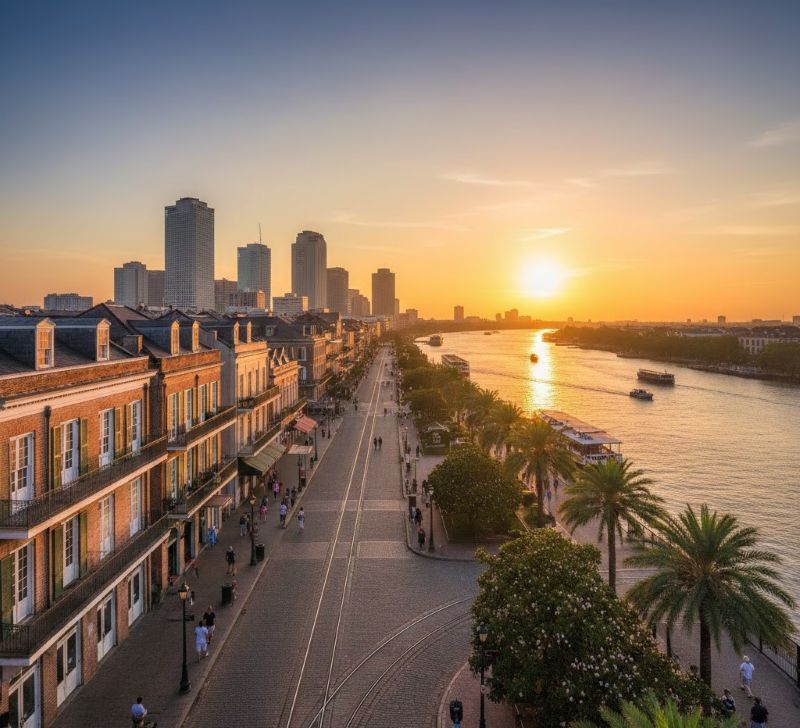
Monroe Unites Lafayette, New Orleans, Baton Rouge, Shreveport, And Folsom, The Ultimate Louisiana Wildlife Bucket List That Proves The United States Has The Most Breathtaking Animal Encounters On Earth, You Won’t Believe These Cities Exist For Travel Lovers Wait Until You See The Secret Midnight Swamp Tours That Only Locals Know About. When you think of Louisiana, you might picture vibrant cities, jazz music, and mouth-watering cuisine, but this state has something even more astonishing—wildlife encounters like no other. Monroe, along with Lafayette, New Orleans, Baton Rouge, Shreveport, and Folsom, are united by their proximity to the most unique and diverse wildlife habitats in the United States. These cities are part of a wildlife bucket list that every travel lover must explore.
From exploring the swamps of Lafayette to catching sight of alligators in Baton Rouge, Louisiana offers breathtaking animal encounters that few places in the world can match. Whether it’s the incredible wildlife tours or secret midnight swamp tours known only to locals, each city provides a special connection to nature that you can’t experience anywhere else. The unique blend of Louisiana’s wetlands, bayous, and diverse ecosystems makes it a hidden treasure for those seeking adventure and connection with wildlife.
Louisiana is more than just a cultural haven; it’s a wildlife lover’s paradise. The stunning natural beauty of these cities, combined with exclusive experiences, means that whether you’re in New Orleans for a vibrant city experience or in Folsom for the quiet solitude of nature, you’ll always be surrounded by remarkable wildlife. So, pack your bags, because this is an adventure you won’t want to miss. Discover what makes Louisiana’s wild side so extraordinary and why these cities are the ultimate wildlife travel destinations!
New Orleans: The Urban Sanctuary for Animal Encounters
New Orleans, famous for its vibrant music, rich cultural heritage, and world-class cuisine, has increasingly made a name for itself as a premier destination for ecotourism. The city’s unique blend of urban and natural elements offers visitors a chance to explore wildlife conservation initiatives alongside iconic cultural landmarks. A key player in this movement is the Audubon Nature Institute, a non-profit organisation responsible for some of the state’s top wildlife conservation centers.
Audubon Zoo
Located in the heart of New Orleans, the Audubon Zoo spans 58 acres and is home to over 2,000 animals. It is one of the city’s most prominent attractions, drawing visitors from around the world. The zoo’s Louisiana Swamp exhibit is a must-see, showcasing the unique swamp ecosystems of the region and featuring rare leucistic (white) alligators. This exhibit is a highlight for anyone interested in Louisiana’s rich wildlife, giving visitors the opportunity to experience one of the state’s most iconic animals in a completely new light.
The Audubon Zoo focuses on preserving native species such as the Louisiana Black Bear and Red Wolf, both of which are key figures in local conservation efforts. The zoo is deeply committed to maintaining natural habitats while also educating the public about the importance of protecting wildlife and endangered species.
Audubon Aquarium of the Americas
The Audubon Aquarium of the Americas, located on the banks of the Mississippi River, offers visitors an immersive experience of marine life from the Gulf of Mexico. With a 400,000-gallon exhibit featuring sea turtles, sharks, and stingrays, the aquarium provides an up-close look at the diversity of life in one of the most ecologically rich regions in the world. The facility’s focus on conservation extends to its educational programs, which teach visitors about marine ecosystems and the importance of preserving oceanic biodiversity.
Barataria Preserve (Jean Lafitte National Park)
For those looking to explore nature in its rawest form, the Barataria Preserve, located just outside of New Orleans, is an incredible destination. With over 23,000 acres of protected swamps, bayous, and wetlands, it offers visitors the chance to walk through Louisiana’s wetlands and observe native wildlife, such as alligators, nutria, and a variety of bird species. The preserve provides a perfect setting for those looking to experience Louisiana’s natural beauty and gain a deeper understanding of the importance of wetland ecosystems.
Impact on Tourism
New Orleans has positioned itself as a major ecotourism destination by seamlessly integrating wildlife conservation into the city’s vibrant cultural fabric. Visitors to the Audubon Nature Institute not only engage in world-class animal encounters but also contribute directly to the conservation of Louisiana’s unique wildlife. By emphasizing environmental education alongside entertainment, New Orleans has set a benchmark for other cities looking to combine nature exploration and urban experiences.
Baton Rouge: The Capital of Conservation and Education
As Louisiana’s state capital, Baton Rouge is both a cultural hub and a leader in wildlife conservation efforts. The city blends political importance with environmental stewardship, making it an increasingly important destination for eco-conscious travelers.
BREC’s Baton Rouge Zoo
The BREC Baton Rouge Zoo is an accredited institution by the Association of Zoos and Aquariums (AZA), demonstrating its commitment to preserving endangered species. With exhibits such as Realm of the Tiger and the Otter Cabin, the zoo provides visitors with a chance to see animals in naturalistic habitats. These immersive environments are designed to replicate the animals’ native ecosystems, offering a deeper understanding of their behaviors and conservation needs.
The zoo’s educational outreach programs aim to engage the community in wildlife conservation efforts. Through its focus on endangered species, the zoo helps raise awareness about the impact of habitat destruction and illegal poaching.
Bluebonnet Swamp Nature Center
The Bluebonnet Swamp Nature Center is a 103-acre preserve that provides an in-depth look at urban wildlife management. The center features various exhibits on native reptiles, amphibians, and other species that inhabit the swamps of Louisiana. It also offers educational programs for visitors of all ages, highlighting the importance of preserving wetland habitats. With its diverse ecosystems and opportunities for hands-on learning, the Bluebonnet Swamp is an essential stop for any eco-tourist in Baton Rouge.
Waddill Wildlife Refuge
For those looking to learn about Louisiana’s native fisheries and wildlife management, the Waddill Wildlife Refuge is a valuable resource. The refuge offers hands-on exhibits that teach visitors about the balance between conservation efforts and sustainable management of the region’s wildlife. Waddill provides both educational programs and recreational activities, making it a key player in Baton Rouge’s ecotourism sector.
Impact on Tourism
Baton Rouge is emerging as a destination that combines wildlife encounters with educational initiatives. Through its extensive conservation programs and commitment to environmental education, Baton Rouge has solidified its place as a leader in Louisiana’s ecotourism industry. Visitors are drawn not only to the city’s historical significance but also to its opportunities for experiential learning and wildlife preservation.
Shreveport/Bossier City: Wetland Wonders and Birdwatching Haven
Nestled in the northwestern part of Louisiana, Shreveport and Bossier City are known for their unique blend of riverine ecosystems and wetland habitats, making them a prime destination for those seeking eco-tourism experiences. These cities lie along the Mississippi Flyway, one of the most vital migratory bird routes in North America. Shreveport/Bossier City offers a diverse range of activities for eco-tourists, birdwatchers, and wildlife photographers, all while promoting conservation efforts that protect the region’s natural habitats.
Red River National Wildlife Refuge
The Red River National Wildlife Refuge is a major attraction for nature lovers and eco-tourists visiting Shreveport and Bossier City. This expansive 20,000-acre sanctuary is a haven for wildlife and offers more than 5 miles of trails for visitors to explore. It serves as a critical stopover for migratory birds on their journey along the Mississippi Flyway. The refuge is home to a wide variety of wildlife, including bald eagles, wood ducks, beavers, and numerous species of songbirds and waterfowl.
For birdwatchers, the Red River Refuge provides prime viewing opportunities, especially during the fall and spring migrations. Its rich wetlands, forests, and river corridors support a vast array of bird species, making it one of the top birding destinations in the region. Visitors can walk or bike along the trails while observing the diverse wildlife, capturing stunning photos or simply enjoying the peace and serenity of the natural environment.
In addition to birdwatching, the refuge offers educational programs and guided tours that teach visitors about wetland ecosystems, the importance of habitat restoration, and the role that the refuge plays in the conservation of endangered species.
Shreveport Aquarium
For a more hands-on educational experience, the Shreveport Aquarium is a must-see destination. Located in the heart of Shreveport, the aquarium provides a window into the aquatic ecosystems that make Louisiana unique. Featuring both marine and freshwater species, the aquarium emphasizes conservation education with exhibits like the Paddlefish Exhibit, which highlights this prehistoric species native to the region’s waters. Paddlefish are an important part of Louisiana’s natural heritage, and the exhibit gives visitors an opportunity to learn about their unique characteristics and role in the local ecosystem.
The stingray touch tank is another popular exhibit, offering visitors a chance to interact with these fascinating creatures while learning about their importance in marine conservation. The Shreveport Aquarium is committed to providing an interactive and engaging experience for visitors, helping raise awareness about aquatic biodiversity and the importance of preserving the region’s aquatic life.
Chimp Haven Sanctuary
Located just outside Shreveport, in Keithville, Chimp Haven is a sanctuary dedicated to providing a forever home for retired chimpanzees that have been used in research or have previously lived in captivity. With over 200 acres of naturalistic habitats, the sanctuary provides these chimpanzees with the space they need to live a dignified, enriching life. Chimp Haven is the largest chimpanzee sanctuary in the world and offers an educational experience for visitors interested in learning about the lives of these incredible creatures and the ethical issues surrounding primate research.

Visitors can attend the Chimpanzee Discovery Days, which are organized throughout the year. During these events, guests can interact with the sanctuary staff, watch the chimpanzees in action, and gain a deeper understanding of the conservation efforts underway to protect these intelligent and social creatures. Chimp Haven plays a vital role in raising awareness about the ethical treatment of primates and the importance of providing them with safe, natural environments.
Impact on Tourism
Shreveport and Bossier City are becoming increasingly popular destinations for ecotourism enthusiasts, particularly those interested in birdwatching and wildlife photography. The region’s unique wetland habitats and emphasis on wildlife conservation make it a valuable spot for eco-conscious travelers. As more visitors seek immersive experiences in nature, Shreveport/Bossier City’s commitment to preserving its natural wonders has positioned these cities as a hub for environmentally sustainable tourism.
Through partnerships with conservation organizations and continued educational initiatives, Shreveport and Bossier City are attracting tourists who wish to experience the beauty of Louisiana’s natural landscapes while supporting conservation efforts that help protect the region’s biodiversity.
Folsom/Mandeville: Safari Adventures and Wildlife Rescues
The Northshore of Lake Pontchartrain, particularly the areas of Folsom and Mandeville, offers a truly unique ecotourism experience with large-scale wildlife reserves and open-range animal habitats. Known for their combination of safari-style experiences, wildlife rescues, and biodiversity-rich ecosystems, these areas are a hidden gem for nature lovers and eco-tourists alike. Spanning both wetland habitats and wooded areas, Folsom and Mandeville are prime locations to engage with both native and exotic animals in expansive, natural environments.
Global Wildlife Center
The Global Wildlife Center, located in Folsom, is one of the largest free-roaming wildlife preserves in the United States, covering a vast 900 acres of land. This sanctuary is home to over 4,000 exotic and endangered animals, including giraffes, zebras, camels, antelope, and many more. The centre offers safari-style tours that take visitors on a journey through the preserve, providing an up-close look at the animals in their natural habitat. Unlike traditional zoos, the Global Wildlife Center allows these majestic creatures to roam freely, mimicking their native habitats.
The tours are guided by knowledgeable staff who share information about the animals’ natural behaviors, conservation efforts, and the role the preserve plays in protecting endangered species. Visitors can learn about the importance of wildlife conservation, the ethical considerations of captive breeding, and the initiatives in place to safeguard vulnerable species from extinction.
Fontainebleau State Park
Located just outside Mandeville, Fontainebleau State Park is another ecological wonder on the Northshore, offering 2,800 acres of diverse ecosystems. From hardwood forests to coastal marshes, Fontainebleau is a prime spot for nature enthusiasts seeking to explore Louisiana’s natural beauty. The park is home to a variety of wildlife, including white-tailed deer, wild turkeys, and numerous species of birds.
Visitors to Fontainebleau can explore the park’s hiking trails, picnic areas, and beach access, while spotting wildlife in its natural surroundings. The park’s birdwatching opportunities are particularly popular, with species like the purple martin and red-shouldered hawk frequently spotted in the area. Fontainebleau offers a peaceful escape for eco-tourists looking to connect with nature in a less commercialized setting.
Big Branch Marsh National Wildlife Refuge
Located just a short drive from Mandeville, the Big Branch Marsh National Wildlife Refuge is another hidden gem on the Northshore. This 18,000-acre refuge is dedicated to preserving the natural habitats of endangered species, such as the Red-cockaded Woodpecker, which is one of the rarest woodpeckers in North America. The refuge also features birdwatching platforms, hiking trails, and educational programs designed to teach visitors about the importance of preserving wetland ecosystems.
The refuge is home to a variety of wildlife, including river otters, beavers, and numerous species of songbirds. Visitors can enjoy exploring the wetlands while learning about the efforts being made to restore the longleaf pine ecosystems that are essential for the survival of many of these species.
Impact on Tourism
Folsom and Mandeville’s large wildlife reserves and commitment to conservation efforts have made the Northshore a highly sought-after destination for eco-tourists interested in open-range animal encounters. The combination of safari-style experiences at the Global Wildlife Center and the opportunity to experience Louisiana’s natural beauty at Fontainebleau State Park and Big Branch Marsh National Wildlife Refuge has made this region a top destination for nature lovers.
By offering visitors the chance to see wildlife in natural settings and engage with conservation initiatives, Folsom and Mandeville are contributing to Louisiana’s growing ecotourism industry. The region’s commitment to preserving natural habitats and educating visitors about conservation ensures that these extraordinary ecosystems will continue to thrive, attracting eco-conscious travelers for years to come.
By expanding on the key points, separating the information, and providing more detailed descriptions, both Shreveport/Bossier City and Folsom/Mandeville have become more accessible for readers seeking an in-depth look at these ecotourism destinations. The wildlife experiences, educational efforts, and conservation initiatives in these areas showcase Louisiana’s commitment to eco-tourism and sustainability.
Lafayette: Gateway to the Atchafalaya Basin and Wetland Exploration
Known as the gateway to the Atchafalaya Basin, Lafayette offers nature lovers the opportunity to explore one of the largest river swamps in North America. The region’s ecological richness and emphasis on wildlife conservation make it a must-visit for those interested in immersive, nature-based experiences.
Zoosiana (Zoo of Acadiana)
The Zoo of Acadiana, located in Broussard, is an essential part of the region’s wildlife conservation efforts. As part of the Species Survival Plan (SSP), the zoo focuses on preserving endangered species through breeding programs and conservation initiatives. Visitors can see endangered animals from around the world and learn about the zoo’s role in global wildlife protection efforts.
Lafayette Animal Shelter & Care Center
The Lafayette Animal Shelter & Care Center is a leader in the state’s No-Kill initiatives, which have resulted in an impressive save rate for rescued animals. The shelter’s dedication to providing care for adoptable animals and promoting humane treatment has made it an important resource for visitors interested in animal welfare.
Acadiana Park Nature Station
Located just outside Lafayette, Acadiana Park Nature Station offers visitors a chance to explore the Mississippi Floodplain Forest. The park provides guided birdwatching programs and nocturnal wildlife hikes, allowing visitors to experience the rich biodiversity of the Atchafalaya Basin and learn about the region’s complex ecosystems.
Impact on Tourism
Lafayette’s combination of wildlife exploration and conservation education has made it a top destination for eco-tourists. Its proximity to the Atchafalaya Basin and the zoo’s focus on endangered species solidify Lafayette as a hub for sustainable tourism.
Monroe: A Biodiversity Haven in North Louisiana
The Monroe and West Monroe area, nestled in the northern part of Louisiana, is home to some of the most pristine and well-preserved natural habitats in the state. This region offers a diverse range of ecotourism opportunities for nature lovers, wildlife enthusiasts, and conservationists alike. Known for its swamps, wetlands, and forested areas, Monroe provides a perfect escape for those looking to experience the raw beauty of Louisiana’s wild landscapes.

Black Bayou Lake National Wildlife Refuge
One of the most notable attractions in Monroe is the Black Bayou Lake National Wildlife Refuge. Spanning over 1,600 acres, this wetland sanctuary is an excellent destination for birdwatchers, photographers, and anyone looking to explore Louisiana’s rich biodiversity. The refuge is home to a wide array of species, including herons, eagles, otters, and beavers, making it a prime location for spotting both native and migratory species.
The Black Bayou Refuge is particularly renowned for its swamp ecosystems, which provide vital habitats for countless species of birds, fish, and amphibians. Visitors can explore the refuge on walking trails, enjoy serene views of the swampy waters, or take part in educational programs that teach about the conservation efforts underway to protect the wetlands. It is also an ideal spot for canoeing and kayaking, offering visitors the chance to paddle through the swamp’s tranquil waters and immerse themselves in the natural surroundings.
Louisiana Purchase Gardens and Zoo
Located in Monroe, the Louisiana Purchase Gardens and Zoo is another must-visit for eco-tourists interested in both native and exotic wildlife. The zoo’s most unique feature is its boat tours, which allow visitors to explore animal exhibits from the water, providing a unique vantage point of both local and international species in a naturalistic setting.
The zoo is home to a variety of endangered species as well as native Louisiana animals like the Louisiana Black Bear and bald eagle, which are showcased in environments that closely mimic their natural habitats. Visitors can observe the animals in spacious, well-maintained enclosures that allow them to behave as they would in the wild. Educational programs at the zoo aim to raise awareness about wildlife conservation and habitat preservation while offering fun, interactive experiences for all ages.
The zoo’s combination of boat tours, interactive exhibits, and conservation programs makes it a standout attraction in the region. Visitors not only learn about the animals but also gain a deeper understanding of the ecological importance of Louisiana’s wetlands and the challenges faced by native species.
Impact on Tourism
Monroe’s rich biodiversity, combined with its access to both federal wildlife complexes and the Louisiana Purchase Gardens and Zoo, has made it a central player in Louisiana’s ecotourism scene. The region’s commitment to protecting natural habitats and offering immersive wildlife experiences has solidified its reputation as one of the top destinations for eco-tourists. As more travelers seek authentic nature-based experiences that promote conservation, Monroe offers a unique opportunity to explore Louisiana’s wildlife in its most natural and unspoiled form.
The area’s emphasis on sustainable tourism and wildlife protection ensures that its ecological wonders will continue to thrive. Monroe’s protected nature reserves and wildlife exhibits are a testament to the region’s dedication to both conservation and public education, making it a model for how ecotourism can support environmental stewardship while benefiting local economies.
Whether you’re paddling through Black Bayou’s serene waters, witnessing migratory birds in flight, or exploring the Louisiana Purchase Gardens and Zoo, Monroe provides a unique gateway to experience Louisiana’s diverse wildlife and stunning natural beauty. For eco-conscious travelers, this vibrant area offers both an educational and enriching experience that connects visitors with nature in a profound way.
The Importance of Animal-Friendly Travel and the Benefits of Traveling with Your Pet
Traveling with pets is more than just an enjoyable experience for both humans and animals—it is a growing trend that brings a myriad of benefits for the traveler and their furry companions. As animal-loving travelers seek to include their pets in their adventures, many destinations worldwide are becoming more pet-friendly, offering unique experiences for both pet owners and their animals. In Louisiana, cities such as New Orleans, Baton Rouge, and Folsom have embraced this trend, providing visitors with both pet-friendly accommodations and wildlife-focused experiences that can benefit both pets and their owners.
Strengthening the Bond with Your Pet
When you travel with your pet, the journey often leads to stronger bonds between you and your furry companion. Whether it’s a visit to the Audubon Zoo in New Orleans, where you can enjoy a day of exploring wildlife and then relax in pet-friendly areas, or a hiking adventure in Fontainebleau State Park near Mandeville, traveling together helps to create shared memories and enhances your pet’s socialization skills. Being together in new environments also reduces separation anxiety for pets, ensuring a more relaxed and happy travel experience for both parties.
By including your pet in your travel plans, you also have the chance to expose them to new sights, sounds, and experiences, helping them become more adaptable and comfortable in different settings. For example, taking your dog on a birdwatching expedition in Shreveport, near the Red River National Wildlife Refuge, provides opportunities for outdoor exploration and new sensory experiences. Pets exposed to a variety of environments and stimuli often become more well-adjusted, which can help reduce unwanted behavior at home.
Health Benefits for Both You and Your Pet
Traveling with your pet can also benefit both their physical and emotional well-being. Dogs and cats that accompany their owners on trips often receive more physical activity than they would at home. Exploring the swamps and bayous of the Barataria Preserve in Jean Lafitte National Park near New Orleans, for example, allows your pet to engage in more exercise and exploration in the fresh air, which improves their overall health and well-being. Likewise, walking through Fontainebleau State Park or engaging in nature hikes helps to burn off excess energy, making pets more calm and content.
For pet owners, traveling with their animal companion can improve their mental health by reducing feelings of loneliness or stress. Studies show that pets can significantly decrease stress levels, improve emotional well-being, and even reduce the risk of depression. Taking your pet on a journey also encourages physical activity and outdoor exploration, which can improve your health and fitness.
Supporting Local Pet-Friendly Destinations
As the demand for pet-friendly travel destinations grows, more locations are adapting to meet the needs of animal lovers. In Lafayette, the Zoosiana (Zoo of Acadiana) in Broussard is a prime example, offering not only a rich, immersive experience for visitors but also allowing pets to be part of the experience. Visitors can enjoy the zoo’s conservation efforts and participate in activities that are suitable for both humans and pets, helping foster awareness about animal welfare.
Similarly, the Global Wildlife Center in Folsom provides a safari-style adventure where animals roam freely, and pets are welcome in designated areas. This allows pet owners to enjoy an exciting, unique wildlife experience with their pets, enriching both their travel and their animal’s life.
Cost-Effective and Convenient Travel
Traveling with pets can also save you money. The costs associated with pet boarding or hiring pet sitters can add up quickly, and many owners prefer to have their pets with them rather than leaving them behind. Pet-friendly destinations and accommodations, such as those found in Baton Rouge or Shreveport, offer convenient solutions where you and your pet can stay together in comfort. This convenience helps reduce the stress and logistical challenges of traditional travel.
Moreover, by traveling with your pet to destinations like Shreveport/Bossier City, where you can explore wetland ecosystems, you save time and money that would have been spent on additional arrangements for pet care while still enjoying a fulfilling, shared experience.
Creating Lasting Memories
Ultimately, traveling with your pet fosters deep emotional connections that create lasting memories. Whether you’re exploring the wilderness in Monroe or taking a peaceful stroll through the Black Bayou Lake National Wildlife Refuge, pets add an element of joy, companionship, and peace to your travels. These experiences, shared with your pet, provide memories you’ll cherish for a lifetime, while also giving your pet the opportunity to be part of your adventures, seeing new places and having new experiences alongside you.
Traveling with your pet is not just about taking them along for the ride—it’s an opportunity to share enriching, healthful experiences that benefit both you and your animal companion. Louisiana offers a range of pet-friendly options, from wildlife parks to nature preserves, where both pets and their owners can enjoy the wonders of nature together. As eco-tourism continues to thrive, incorporating pets into the travel experience is becoming a pivotal part of sustainable tourism and can positively impact both the environment and the local economy. Whether it’s exploring the swamps of New Orleans, hiking through the forests of Fontainebleau State Park, or enjoying safari adventures in Folsom, there’s no better way to enrich your travel than with your pet by your side.
The Science of Serenity: Why Watching Wildlife is Good for Your Brain
The act of watching wildlife is more than just an enjoyable pastime—it has profound psychological and health benefits. As the world increasingly shifts towards nature-based experiences, studies show that immersing ourselves in natural environments, especially through wildlife watching, can significantly improve mental well-being and brain health. The act of observing animals in their natural habitats helps reduce stress, enhance focus, and even improve emotional resilience. Cities and regions like New Orleans, Shreveport, and Folsom in Louisiana provide exceptional opportunities for wildlife watching, giving visitors a chance to engage with nature while experiencing its positive impacts on the mind.
How Wildlife Watching Enhances Mental Health
Several scientific studies have explored how interactions with nature—specifically watching animals—affect human psychology. When we engage in wildlife observation, whether it’s birdwatching in the Barataria Preserve in New Orleans or observing giraffes and zebras in the Global Wildlife Center in Folsom, our brains experience significant changes. Research suggests that exposure to nature stimulates areas of the brain responsible for calming anxiety and reducing cortisol levels. This process is often referred to as biophilia, the inherent human affinity for nature and living creatures.
Wildlife watching allows individuals to connect with nature in a meaningful way, fostering a sense of wonder and relaxation. The act of observing animals, whether it’s the sight of a bald eagle soaring in Shreveport’s Red River National Wildlife Refuge or a sea turtle gliding through the waters at the Audubon Aquarium in New Orleans, provides a natural form of mindfulness. The focus required to observe these animals in their natural habitat diverts attention away from daily stressors, allowing the mind to rest and recover.
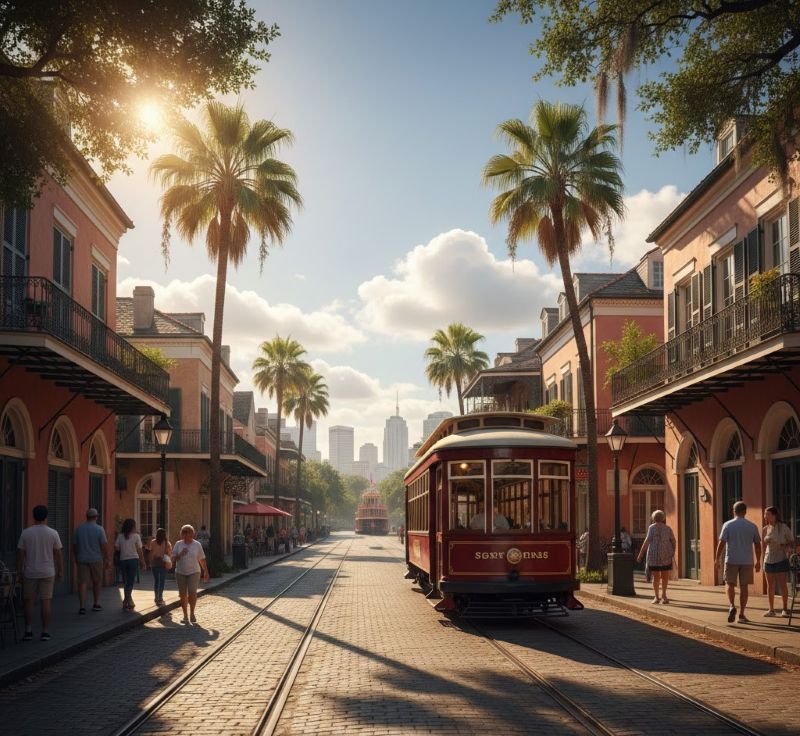
A Calming Connection with Nature
The calmness that comes from watching wildlife is not just psychological but physiological as well. Studies have shown that being in nature or observing animals can lead to reduced blood pressure, lower heart rate, and improved immune function. These positive physical effects are especially important for urban dwellers who may suffer from the stresses associated with city life. By visiting places like Lafayette’s Atchafalaya Basin or Monroe’s Black Bayou Lake National Wildlife Refuge, visitors can disconnect from the fast pace of life and reconnect with the soothing rhythm of nature.
The natural sights and sounds of animals, from the rustling of birds in the trees to the rhythmic movements of alligators in the bayous, create a sensory experience that helps quiet the mind. These experiences provide a break from the overstimulation of modern life, allowing individuals to reset mentally and emotionally.
Improving Cognitive Function and Emotional Resilience
Engaging with wildlife can also have cognitive benefits. Studies suggest that spending time in natural environments, particularly when paired with activities like birdwatching or visiting animal sanctuaries like Zoosiana in Broussard, can improve focus, attention span, and overall cognitive performance. The calming effects of nature contribute to a more relaxed brain, allowing for better decision-making and problem-solving abilities. Furthermore, the emotional upliftment from being around animals has been linked to increased empathy and emotional resilience, qualities that help individuals navigate stressful situations in daily life.
Impact on Tourism and Mental Health in Louisiana
Louisiana’s focus on wildlife conservation and eco-tourism offers ample opportunities for those seeking a peaceful retreat into nature. Whether it’s visiting the Audubon Nature Institute in New Orleans for an immersive wildlife experience or taking a nature walk in the Big Branch Marsh National Wildlife Refuge near Mandeville, the state offers accessible ways to witness wildlife and connect with nature. These experiences, which promote both mental and physical health, are not only beneficial for visitors but also support the preservation of Louisiana’s unique ecosystems.
By embracing wildlife tourism and eco-friendly travel, Louisiana serves as a model for how nature-based activities can contribute to both tourism and public health. As more travelers seek refuge from the demands of modern life, the act of observing wildlife provides the perfect remedy—restoring peace, enhancing well-being, and fostering a deeper connection to the natural world.
Exploring the Wonders of Wildlife Tourism: Louisiana’s Unique Wildlife Encounters
Louisiana’s diverse landscapes, ranging from swamps and bayous to forests and wetlands, provide the perfect backdrop for wildlife tourism. The state’s rich biodiversity, paired with a deep commitment to conservation, offers visitors unparalleled opportunities to experience nature in its rawest, most authentic form. Whether it’s exploring the swamps of New Orleans, the wildlife reserves of Lafayette, or the birdwatching havens of Shreveport, Louisiana’s wildlife encounters promise to be both exhilarating and educational.
Audubon Nature Institute: A Hub for Wildlife Conservation
New Orleans, known for its vibrant culture and rich history, is also home to one of the leading wildlife conservation organizations in the United States: the Audubon Nature Institute. This non-profit organization manages several of the state’s top wildlife facilities, including the Audubon Zoo, Audubon Aquarium of the Americas, and Barataria Preserve.
The Audubon Zoo, sprawling over 58 acres, is home to over 2,000 animals, many of which are native to Louisiana, including the Louisiana Black Bear and Red Wolf. Visitors can get a firsthand look at the Louisiana Swamp exhibit, where rare leucistic (white) alligators can be spotted. The zoo is a model of sustainable tourism and wildlife preservation, offering not just an exciting experience for tourists but also contributing to local and global conservation efforts.
Meanwhile, the Audubon Aquarium of the Americas, situated along the Mississippi River, immerses visitors in the rich marine life of the Gulf of Mexico. Exhibits feature sea turtles, stingrays, and sharks, showcasing the region’s marine ecosystems and the urgent need to protect them. The Barataria Preserve, located just outside New Orleans in Jean Lafitte National Park, is a 23,000-acre wetland where visitors can witness the swamps and bayous of Louisiana firsthand, observing alligators, nutria, and a variety of bird species.
Lafayette: The Gateway to the Atchafalaya Basin
For nature lovers seeking a more immersive wildlife experience, Lafayette is the perfect destination. The city serves as the gateway to the Atchafalaya Basin, North America’s largest river swamp. The Atchafalaya Basin is a unique ecosystem, offering visitors a chance to explore Louisiana’s natural beauty while observing wildlife in its most unspoiled form.
At Zoosiana (Zoo of Acadiana) in Broussard, a short drive from Lafayette, visitors can see endangered species through the Species Survival Plan (SSP), which works to preserve the world’s most vulnerable animals. The zoo emphasizes conservation education and provides a family-friendly experience where visitors can interact with animals from around the world, fostering a connection between the community and wildlife conservation efforts.
Lafayette is also home to the Acadiana Park Nature Station, where visitors can explore the Mississippi Floodplain Forest through guided bird-watching programs. Lafayette’s commitment to conservation is seen in its efforts to protect the Atchafalaya Basin, which serves as both an educational resource and a natural sanctuary for countless species.
Shreveport/Bossier City: Wetlands and Birdwatching Delights
Shreveport and Bossier City, located in the northern part of Louisiana, offer an entirely different type of wildlife experience, with a focus on wetland ecosystems and migratory birdwatching. The Red River National Wildlife Refuge offers over 5 miles of trails where visitors can walk or bike while observing a variety of bird species, including bald eagles, herons, and waterfowl. The area is a crucial stop for migratory birds along the Mississippi Flyway, making it an essential location for birdwatching enthusiasts.
In addition to the refuge, the Shreveport Aquarium provides a more interactive experience, focusing on the conservation of local aquatic species such as the paddlefish. For those interested in primate conservation, the Chimp Haven Sanctuary, located in nearby Keithville, offers an opportunity to observe retired chimpanzees in a natural, stress-free environment. Chimp Haven is dedicated to the care and well-being of retired research chimpanzees and provides educational programs about animal welfare.
Impact on Wildlife Tourism and Louisiana’s Conservation Efforts
Louisiana’s wildlife tourism is growing rapidly, with more visitors seeking out the state’s protected areas and conservation programs. The state’s commitment to sustainable tourism and the protection of its unique wildlife habitats helps drive both ecotourism and local economic growth. By focusing on conservation, these destinations not only offer enriching, nature-based experiences but also contribute to the long-term preservation of Louisiana’s wildlife.
From New Orleans’ world-class conservation centers to Lafayette’s wildlife preserves and Shreveport’s birdwatching havens, Louisiana offers a vast array of wildlife experiences that appeal to eco-tourists and wildlife enthusiasts. The integration of education, conservation, and sustainable tourism ensures that Louisiana remains at the forefront of wildlife tourism, offering unforgettable experiences for visitors while fostering the protection of its unique and diverse ecosystems.
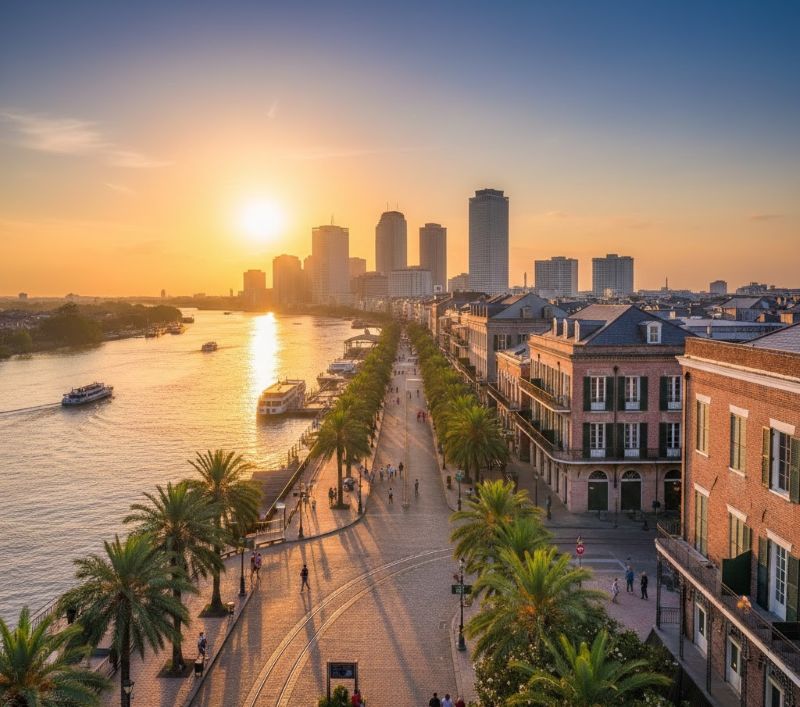
In conclusion, Louisiana offers an exceptional blend of natural beauty and wildlife conservation, making it a premier destination for wildlife tourism. From the swamps of New Orleans to the wetlands of Shreveport, every corner of the state holds unique opportunities for visitors to witness and engage with nature in its purest form. Whether it’s the safari adventures in Folsom or the serene experiences at the Barataria Preserve, Louisiana provides an unparalleled way for travelers to connect with wildlife while supporting vital conservation efforts.
As we’ve explored, the state’s wildlife encounters go beyond just watching animals—they offer educational and immersive experiences that promote understanding and appreciation of the importance of protecting natural habitats. The commitment of New Orleans, Baton Rouge, Lafayette, and other cities to preserving Louisiana’s rich biodiversity ensures that future generations will continue to have access to these incredible experiences.
The integration of eco-tourism with wildlife conservation has proven to be a powerful tool, benefiting both the local economy and the environment. By supporting sustainable travel practices, Louisiana is setting a model for other regions to follow, where wildlife protection and tourism go hand in hand.
Ultimately, Louisiana’s diverse wildlife tourism offerings invite travelers to explore its incredible landscapes, learn about its unique species, and contribute to preserving these habitats for years to come. From the excitement of wildlife safaris in Folsom to the peaceful birdwatching opportunities in Shreveport, Louisiana ensures that each visit leaves a lasting impact on both visitors and the state’s natural heritage.
The post Monroe Unites Lafayette, New Orleans, Baton Rouge, Shreveport, And Folsom, The Ultimate Louisiana Wildlife Bucket List That Proves The United States Has The Most Breathtaking Animal Encounters On Earth, You Won’t Believe These Cities Exist For Travel Lovers, Wait Until You See The Secret Midnight Swamp Tours That Only Locals Know About appeared first on Travel And Tour World.
