
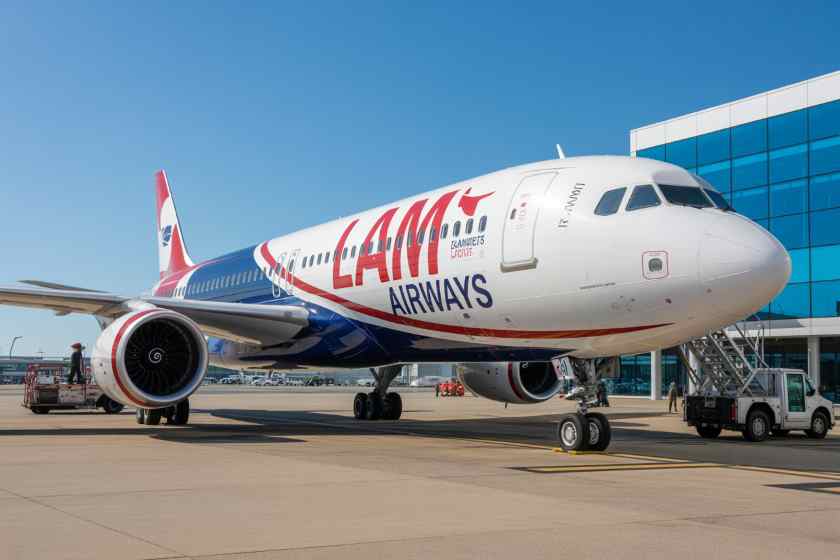

Mozambique’s national airline, LAM, is grappling with an ongoing financial crisis as the company continues its restructuring process, facing rising domestic debt and operational hurdles. According to recent reports, LAM’s domestic debt has risen to approximately $92.7 million, contributing significantly to the broader financial challenges of Mozambique’s state-owned enterprises (SOEs). This increase in debt comes at a time when the airline is struggling with a limited fleet and persistent cash flow difficulties, complicating its ability to meet the demands of both domestic and international travel.
LAM’s experience serves as a critical case study in the challenges facing Mozambique’s aviation sector and its broader impact on tourism. The airline is crucial to the country’s transport infrastructure, offering flights that connect Mozambique to key domestic and international destinations. However, LAM’s financial instability has been a cause for concern, particularly as the airline continues to rely heavily on leased aircraft to maintain operations.
The Financial Struggles of LAM: A Growing Debt Burden
The rise in LAM’s domestic debt is a clear indicator of the airline’s ongoing financial challenges. At the end of September 2023, LAM accounted for roughly 27.22% of all internal debt held by Mozambique’s SOEs, putting it alongside other state-owned entities such as the national rail and ports operator and the state oil company. This level of indebtedness highlights the significant strain on LAM’s finances, as it struggles to stabilize its operations amid mounting costs.
LAM’s financial struggles are further compounded by a shrinking fleet and increasing reliance on ACMI-leased aircraft, including the CRJ900 and Airbus A319. These leased aircraft, while crucial for maintaining flight operations, are costly and limit the airline’s ability to invest in long-term fleet growth or reduce operational costs. The decision to rely on leased planes also underscores the broader challenges within Mozambique’s aviation sector, where many airlines are struggling to modernize their fleets and compete in an increasingly competitive market.
The Impact on Mozambique’s Tourism Industry
LAM’s financial difficulties are not just an internal issue for the airline; they also have far-reaching effects on Mozambique’s tourism sector. As the primary air carrier for the country, LAM plays a critical role in transporting tourists to Mozambique’s beautiful destinations, including Maputo, the capital city, as well as the coastal regions like Vilankulos, Bazaruto Archipelago, and Tofo Beach—all of which are popular among international tourists for their pristine beaches and marine life.
The airline’s reliance on leased aircraft and reduced flight capacity impacts not only tourism arrivals but also the broader perception of Mozambique as a reliable destination for air travel. With fewer available flights and reduced service on domestic routes, tourists may face inconvenience and higher costs when planning their trips to Mozambique. Additionally, the airline’s inability to expand its fleet and improve its services limits the country’s capacity to attract new international visitors, which is especially concerning as the global tourism market recovers from the pandemic.
LAM’s Financial Losses and the Ongoing Restructuring Efforts
LAM’s restructuring process is crucial for the future of the airline, but it has not been without challenges. In 2022, the airline recorded a loss of 448.6 million meticais (approximately €6 million), and this loss increased sharply in the following year. Despite efforts to cut costs and streamline operations, the airline continues to face substantial financial pressures. The slow pace of restructuring has raised concerns about the airline’s long-term sustainability and its ability to compete in a region where other carriers are improving their offerings and expanding their routes.
The restructuring efforts are complicated by Mozambique’s broader public debt concerns, which have placed additional pressure on the national government to prioritize financial recovery across all state-owned enterprises. While the government has expressed commitment to supporting LAM’s recovery, the airline’s slow pace of recovery has created uncertainty about its ability to regain market confidence and attract the investment needed to modernize its fleet and expand services.
Challenges Facing Mozambique’s Aviation Sector
LAM’s challenges are emblematic of the broader struggles facing Mozambique’s aviation sector. While the country has tremendous potential as a tourist destination, with its beautiful beaches, rich cultural heritage, and wildlife reserves, the aviation infrastructure has lagged behind. The lack of a modernized fleet, coupled with financial constraints and limited access to capital, has hindered the growth of air transport within Mozambique.
In addition to LAM’s struggles, the country faces issues with its airports, air traffic control systems, and overall regulatory framework, which limit the ability of the aviation sector to expand and meet growing demand from both domestic and international travelers. These issues are further exacerbated by the volatility in global oil prices, which increases operational costs for airlines, and the ongoing economic challenges in the country.
Looking Forward: What Needs to Change for LAM and Mozambique’s Tourism Industry
For Mozambique’s tourism sector to thrive, the government must continue to focus on stabilizing the airline industry and addressing the structural challenges within LAM. A more robust financial strategy is needed to reduce the airline’s debt burden, invest in fleet modernization, and improve customer service. Additionally, attracting international investment into the aviation sector is essential to ensuring that Mozambique can compete with other East African destinations.
Meanwhile, the tourism industry itself will need to focus on diversifying and expanding its offerings to make the country more attractive to visitors. While Mozambique has stunning natural attractions, improving the accessibility of these destinations through better flight options and services is crucial for the sector’s future growth.
Conclusion: LAM’s Road to Recovery and Its Impact on Tourism
The ongoing financial struggles of LAM highlight the challenges faced by Mozambique’s aviation and tourism sectors. With the airline’s debt rising and its fleet limitations affecting services, the country’s tourism industry risks losing its competitive edge in the region. However, with continued government support, strategic restructuring, and investment in modern infrastructure, Mozambique has the potential to rebuild its aviation sector and continue to thrive as a key travel destination in Africa.
As LAM continues its efforts to recover, tourists and industry stakeholders will be watching closely to see if the airline can regain stability and reassert itself as a key player in Mozambique’s tourism and transport sectors.
The post Mozambique Tourism Hit by LAM’s Financial Crisis: What Travelers Need to Know appeared first on Travel And Tour World.
