
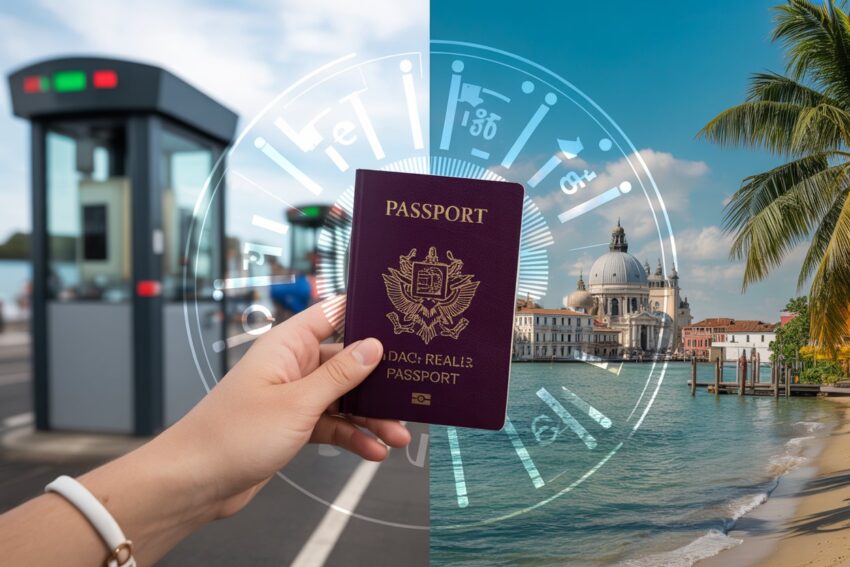

Remember the good old days when planning a holiday was simply about flights and accommodation? Well, those days are increasingly becoming a nostalgic memory. As we look ahead to 2025 and 2026, a flurry of new taxes, fees, and entry systems are set to reshape our travel budgets and planning strategies, particularly for those venturing to Europe, Bali, or even a day trip to Venice. It’s not just about the upfront cost of your getaway anymore; it’s about understanding the hidden extras that can quickly add up.
For many, the idea of “another tax” can be frustrating. After all, isn’t tourism meant to boost local economies? And it does! But these new measures aren’t just about lining government pockets; they’re often designed to manage overtourism, protect fragile environments, and fund essential infrastructure that makes our holidays enjoyable in the first place. So, let’s unpack these changes together, helping you stay savvy and stress-free on your next adventure.
The Big European Shift: EES and ETIAS Explained
For non-EU citizens – particularly our friends from the UK, USA, Canada, and Australia – the biggest changes are coming to Europe’s borders. Forget the familiar passport stamp; a new digital era is dawning, promising both efficiency and, initially, perhaps a few snags.
The EU Entry/Exit System (EES): Goodbye Passport Stamps, Hello Biometrics
Imagine arriving at a European airport or port, scanning your passport at an automated kiosk, having your fingerprints taken, and a quick facial scan. This isn’t science fiction; it’s the EU Entry/Exit System (EES). Expected to roll out sometime in late 2024, or more realistically, into 2025, EES is designed to replace the manual stamping of passports.
- What it does: It electronically registers your entry and exit each time you cross an external EU border. This means authorities will have an exact record of how long non-EU visitors stay within the Schengen area (a zone of 27 European countries that have abolished internal border controls).
- Why it matters: Its primary goals are to make border checks more efficient, identify overstayers more easily, and boost internal security. For you, the traveler, it means a potentially quicker process once fully implemented, but brace for possible initial delays as kinks are ironed out.
- Who it affects: All non-EU citizens entering the Schengen zone for short stays.
This isn’t a tax, but a system change. Think of it as Europe upgrading its border control technology. While the promise is smoother travel, it’s wise to factor in extra time at borders during the initial rollout phase.
The European Travel Information and Authorisation System (ETIAS): Your Digital Pass to Europe
Following the EES, likely in late 2025 or 2026, comes ETIAS (European Travel Information and Authorisation System). This is Europe’s answer to the USA’s ESTA or Canada’s eTA – a mandatory pre-travel authorization for visa-exempt non-EU nationals.
- What it is: An electronic authorization you’ll need to apply for online before you travel to any of the 27 Schengen countries.
- The Cost: A modest €7 (approximately £6). Once approved, it’s valid for three years, or until your passport expires, whichever comes first.
- The Process: The application is entirely online and usually processed within minutes, though it can take up to 30 days in rare cases (if further checks are needed). You’ll generally receive approval via email.
- Why it matters: It’s another layer of security, allowing European authorities to screen travelers who don’t require a full visa, identifying any potential security risks before they even board a flight.
- Who it affects: The same group as EES – non-EU citizens who currently enjoy visa-free travel to the Schengen area. If you’re from the UK, USA, Australia, or many other countries, this will apply to you.
Crucially, you’ll need both a valid ETIAS and to pass the EES checks to enter Europe. This dual system represents a significant shift in how non-EU citizens access the continent.
Beyond Europe: Bali and Venice Lead the Way in Local Levies
The EU isn’t alone in implementing new charges. Popular destinations globally are introducing their own fees to protect their unique appeal from the pressures of mass tourism.
1. Bali’s New Tourist Tax: Preserving Paradise
The Indonesian island of Bali, a magnet for sun-seekers and culture enthusiasts, introduced a new tourist tax of 150,000 Indonesian Rupiah (approximately £8) per person in February 2024.
- The Purpose: This fee is specifically earmarked for preserving Bali’s rich culture and heritage, as well as funding vital environmental protection initiatives. It’s a direct contribution to keeping the island beautiful for future generations of visitors.
- How to Pay: It’s typically paid upon arrival at Ngurah Rai International Airport (Denpasar) or via an online portal before your trip. Keep an eye out for clear signage and official payment points.
This small fee is a direct way for tourists to contribute to the sustainability of a destination that truly relies on tourism but also suffers from its impact.
Venice’s Controversial Day-Tripper Fee
Venice, the enchanting city of canals, has long grappled with the challenges of overtourism, particularly from day-trippers. In a bid to manage visitor numbers, it’s introducing an experimental €5 entry fee for day-visitors on specific peak days in 2024, likely expanding into 2025.
- The Purpose: This fee is designed to reduce congestion and encourage longer stays, ultimately aiming to improve the experience for both tourists and residents.
- Who it affects: Day-trippers entering the historic city during designated peak periods. Those staying overnight in hotels will typically be exempt, as their accommodation already pays a city tourist tax.
- How it works: Visitors will likely need to pre-register online for certain dates and pay the fee.
This bold move by Venice highlights a growing trend among iconic but fragile destinations to proactively manage tourism.
The Ever-Present Local Tourist Taxes: Don’t Forget the Basics!
While the EES, ETIAS, Bali, and Venice fees are new headlines, it’s crucial to remember that many popular destinations already have local tourist taxes. These are often small, per-person, per-night charges added to your hotel bill.
- Where to find them: Common in major cities and regions across Spain, France, Germany, Greece, Portugal, Italy, Amsterdam, Edinburgh, Valencia, and Barcelona, among others.
- How they vary: The cost can depend on the city, the type of accommodation (a luxury hotel might have a higher tax than a budget hostel), and the length of your stay.
- Why they exist: These funds typically go towards local tourism promotion, maintenance of public spaces, and infrastructure development.
Always factor these into your budget, as they can sometimes be overlooked until you’re checking out.
Planning Smart: Your Checklist for a Smooth Trip
With these new layers of planning, a little preparation goes a long way:
Budget for the Extras: Add a small contingency fund to your holiday budget for new taxes and fees. That €7 here, £8 there, and €5 elsewhere can quickly add up.
Stay Informed on EU Dates: Keep an eye on official EU travel websites for the exact rollout dates of EES and ETIAS. These dates have shifted before and may do so again.
Apply for ETIAS Early: Once ETIAS is live, apply for your authorization well in advance of your trip. Don’t leave it to the last minute!
Check Destination-Specific Fees: Before booking, do a quick search for “tourist tax [your destination]” or “entry fee [your destination]” to avoid surprises.
Read the Fine Print: Your airline or accommodation provider might also have updates on new fees or requirements.
While these new taxes and systems might seem like an extra hurdle, they are part of a global effort to make tourism more sustainable, secure, and manageable. By understanding and preparing for them, you can ensure your 2025/2026 holidays remain as enjoyable and surprise-free as possible. Happy travels!
While these new taxes and systems might seem like an extra hurdle, they are part of a global effort to make tourism more sustainable, secure, and manageable. By understanding and preparing for them, you can ensure your 2025/2026 holidays remain as enjoyable and surprise-free as possible. Happy travels!
The post New Tourist Taxes & EU Entry Rules 2025/2026: Your Essential Guide to Navigating Bali, Venice, & Europe appeared first on Travel And Tour World.
