
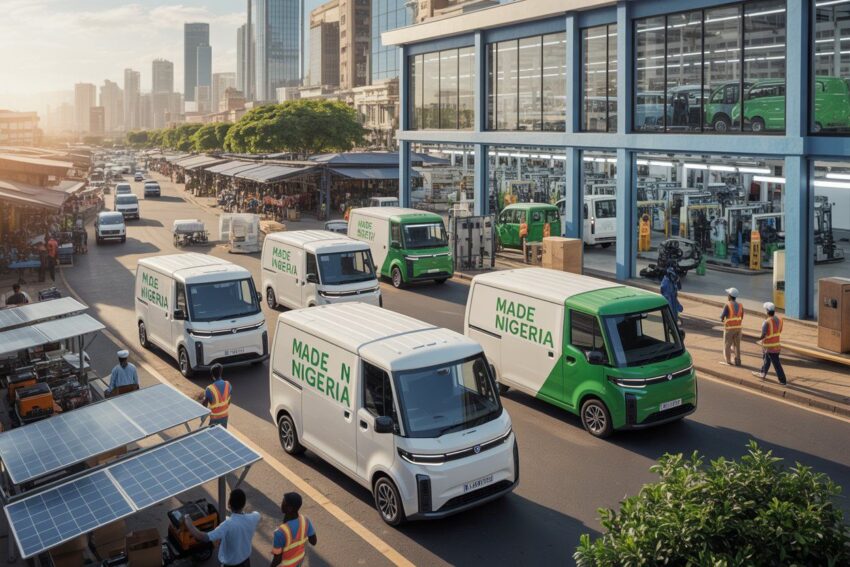
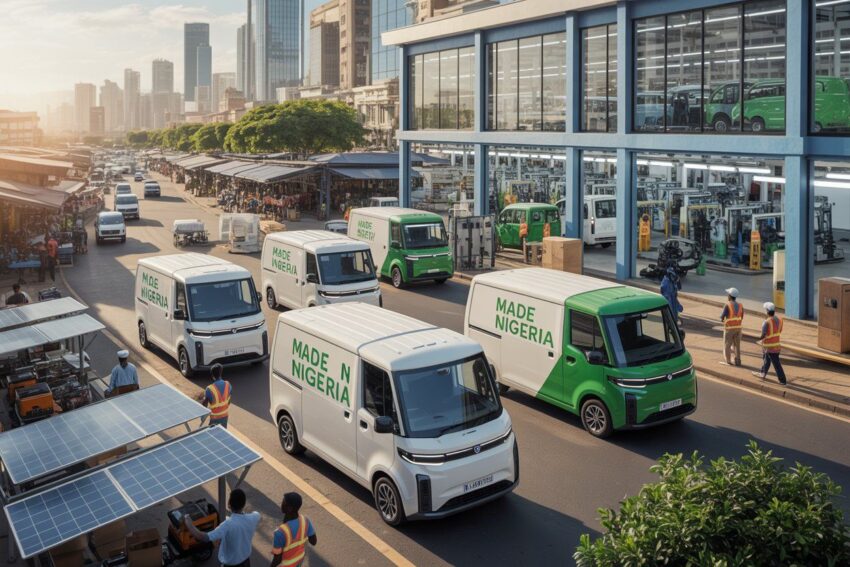
Nigeria and Kenya are emerging as key players in Africa’s drive toward a cleaner, greener future. Both countries are spearheading efforts to assemble electric vans and taxis from Chinese electric vehicle (EV) kits. This development is expected to not only boost the electric vehicle market in Africa but also create local jobs, stimulate economic growth, and reduce the continent’s reliance on fossil fuel-powered vehicles.
Nigeria’s Electric Van Initiative: Saglev Leads the Charge
In Nigeria, a venture named Saglev, a partnership between the Stallion Group and Sokon Motor of China, is at the forefront of this movement. The company is assembling 18-seat electric vans from Dongfeng EV kits. Saglev’s ambitious plans include scaling up production to about 2,500 units annually, with intentions to introduce a variety of electric models across West Africa. These efforts are aligned with Nigeria’s broader goal of transitioning to clean energy in transportation.
Furthermore, Saglev is investing in solar-powered charging stations to mitigate the frequent power shortages in the country. This move is critical, as consistent access to electricity remains a significant hurdle for the widespread adoption of EVs. The company’s model could serve as a blueprint for other African nations struggling with similar issues.
Kenya’s Rideence Africa: A Model for Affordable Electric Mobility
Similarly, in Kenya, Rideence Africa, in partnership with Associated Vehicle Assemblers (AVA), has launched an assembly operation aimed at locally producing electric vans. The project is supported by a US$2.46 million investment in assembling Chinese EV components.
Kenya’s model is unique in its financing options, such as lease-to-own and pay-as-you-drive plans, which make electric vehicles more accessible to both commercial fleet operators and individual drivers. By lowering the entry barrier for potential buyers, Kenya is positioning itself as a leader in electric mobility on the continent. These efforts will likely have a significant impact on reducing the country’s carbon emissions and provide a cleaner alternative to traditional fossil fuel-powered vehicles.
Why Assembling Electric Vans from Chinese Kits Matters
The local assembly of electric vehicles using Chinese complete knock-down (CKD) kits is a cost-effective strategy for Africa’s nascent EV industry. Instead of manufacturing vehicles from scratch, local manufacturers receive semi-assembled kits from China and then complete the final assembly. This approach has several advantages:
- Job Creation: Local assembly operations create employment opportunities for skilled labor and engineers.
- Skills Transfer: African workers gain technical expertise in the growing EV sector, which is critical for the continent’s future growth in clean energy.
- Cost Reduction: By assembling locally, the costs associated with importing finished vehicles are reduced, making EVs more affordable for local markets.
Chinese Influence on Africa’s EV Industry: A Growing Partnership
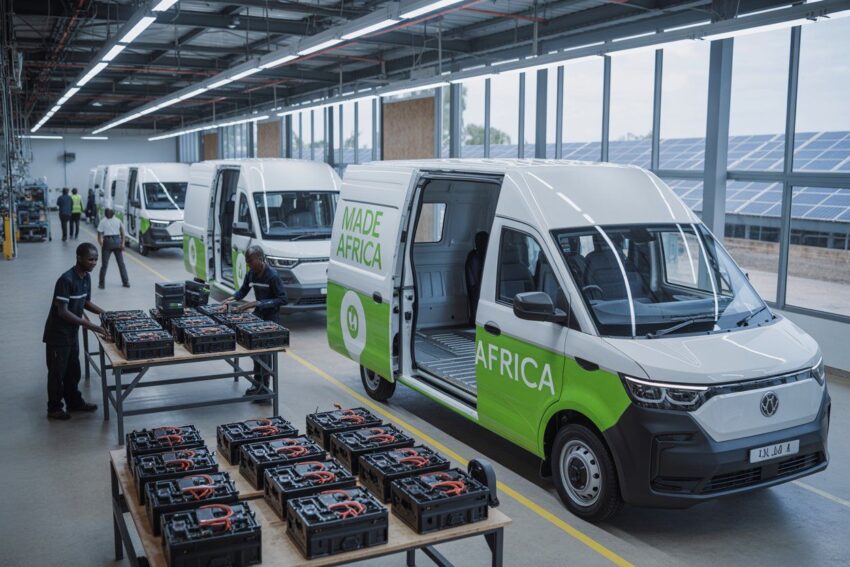
China has become a dominant force in the global EV market, and its influence is strongly felt across Africa. The Chinese EV maker Okla Global has recently committed to expanding its footprint in Kenya, Nigeria, South Africa, Egypt, and Zimbabwe. With the appointment of an investment bank to lead its Africa expansion, Okla Global is poised to strengthen its partnerships and ramp up the local manufacturing of electric vehicles on the continent.
This growing presence is indicative of the broader trend of Chinese involvement in Africa’s clean energy and electric mobility sectors. As the demand for green transportation solutions increases across urban centers like Nairobi, Lagos, Johannesburg, and Cairo, Chinese companies are capitalizing on this opportunity to solidify their presence and supply key EV components.
Challenges Facing Africa’s EV Revolution
While the local assembly of electric vehicles marks a significant step forward, Africa’s electric mobility transition still faces substantial challenges:
- Limited Charging Infrastructure: The lack of widespread charging stations remains a major hurdle. Without a robust charging network, EVs cannot be easily adopted by the masses.
- High Upfront Costs: Despite efforts to make EVs more affordable through innovative financing, the initial cost of purchasing electric vehicles remains high compared to internal combustion engine (ICE) vehicles, which continue to dominate the roads in many African countries.
- Small EV Fleets: The number of electric vehicles on African roads is still limited, particularly when compared to the millions of gasoline-powered vehicles in use. Overcoming this gap will require sustained investment in both the EV manufacturing sector and the charging infrastructure.
- Popular Second-Hand Vehicles: In many African markets, second-hand vehicles, including used electric vehicles (EVs) imported from regions like the UAE, are more affordable. This slows the adoption of new EVs.
The Strategic Significance for Africa’s Future Automotive Industry
Despite the challenges, the electric van assembly initiative in Nigeria and Kenya has immense strategic significance. It not only represents Africa’s shift from a consumer of imported goods to a producer of EVs but also opens up new economic opportunities for local manufacturers and suppliers. Furthermore, as African governments increasingly prioritize sustainable development and green energy, this move towards electric mobility aligns with broader climate goals.
Nigeria and Kenya are positioning themselves as trailblazers in the continent’s transition to clean transportation, and their efforts to establish a local EV manufacturing base could help drive growth in the green mobility sector across the entire continent.
Conclusion: A Bright Future for Electric Vehicles in Africa
As Nigeria and Kenya lead the way in electric van assembly, other African nations will undoubtedly follow their example. With the backing of Chinese expertise, the growing support for electric mobility from governments, and increasing consumer demand for cleaner alternatives, Africa’s future in electric vehicles looks promising. However, continued investment in infrastructure and favorable policies will be crucial for ensuring the long-term success of this transition.
The post Nigeria and Kenya Drive Africa’s Electric Van Revolution with Local Assembly of Chinese EV Kits, Leading the Charge for Sustainable Transport appeared first on Travel And Tour World.
