

An Introduction to Cyprus’s Eastern Coastline: Special Introduction
For first-time visitors seeking a balanced beach experience in Cyprus, the Protaras and Cape Greco beach cluster represents one of the island’s most rewarding coastal regions. This area combines well-organized resort beaches with protected natural coves, offering a seamless blend of accessibility, scenery, and calm Mediterranean waters.
Stretching along Cyprus’s southeastern coastline, Protaras and Cape Greco together form a beach network that appeals to families, couples, and nature-oriented travelers alike. Unlike destinations defined solely by nightlife or isolation, this cluster delivers variety within a compact geographical area.
Geographical Setting of Protaras and Cape Greco
Protaras is located on the eastern coast of Cyprus, north of Ayia Napa, while Cape Greco National Forest Park occupies the rugged headland between Protaras and Ayia Napa. The coastline here alternates between long sandy beaches and smaller sheltered bays.
Cape Greco’s protected status ensures that much of the coastline remains undeveloped, preserving cliffs, sea caves, and native vegetation. Protaras, by contrast, provides structured tourism infrastructure, making the two areas complementary rather than competitive.
Historical and Environmental Context
Historically, this region remained relatively quiet until the late 20th century, when Protaras developed as a resort destination. Cape Greco, however, retained its natural character due to its ecological value and strategic location.
Today, environmental protection policies limit construction within Cape Greco, allowing visitors to experience a coastline that feels largely untouched, despite its proximity to major resorts.
Key Beaches within the Protaras and Cape Greco Cluster
Fig Tree Bay (Protaras)
Fig Tree Bay is the most iconic beach in Protaras and one of the most famous in Cyprus. Known for its soft golden sand and shallow turquoise waters, it is especially popular with families and first-time visitors.
The beach is fully serviced, offering sunbeds, umbrellas, water sports, and nearby dining options. Its gentle entry into the sea makes it ideal for swimming and relaxation.
Sunrise Beach (Protaras)
Located near the center of Protaras, Sunrise Beach offers similar conditions to Fig Tree Bay but with a slightly quieter atmosphere. The beach is wide, well maintained, and easily accessible from nearby hotels.
Early morning visits provide calm conditions and soft light, enhancing the experience for first-time visitors.
Konnos Bay Beach
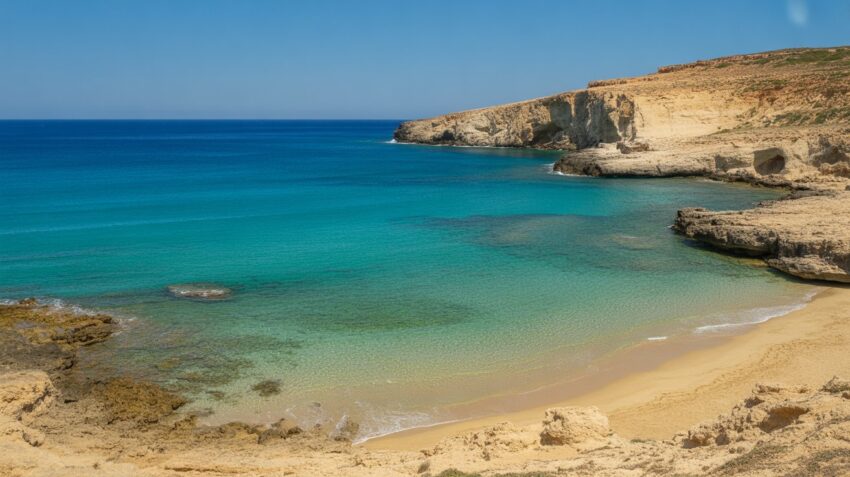
Konnos Bay sits at the edge of Cape Greco and is one of the most scenic beaches in Cyprus. The sheltered cove, framed by cliffs and pine trees, offers calm waters and exceptional clarity.
Its location just outside the main resort area makes it a favorite for visitors seeking a more tranquil beach experience without sacrificing convenience.
Cape Greco Cove Beaches
Within Cape Greco National Forest Park, several small coves provide natural swimming spots. These beaches are less structured, often lacking full facilities, but reward visitors with dramatic scenery and clear water.
They are particularly popular with snorkelers and photographers.
Importance of the Beach Cluster in Global Tourism
The Protaras and Cape Greco beach cluster plays a significant role in Cyprus’s global tourism profile. Internationally, the region is recognized for its clean beaches, calm swimming conditions, and environmental stewardship.
The cluster model allows Cyprus to appeal to diverse travel segments, including family tourism, soft adventure tourism, and nature-based travel, strengthening its position in the Mediterranean market.
How to Explore the Beach Cluster
By Car
Driving is the most flexible way to explore the beaches, particularly those within Cape Greco.
Public Transportation
Regular bus services connect Protaras, Cape Greco access points, and Ayia Napa.
On Foot and Cycling
Promenades and coastal paths link many Protaras beaches, while Cape Greco offers scenic hiking trails.
Who Should Visit Protaras and Cape Greco Beaches
This beach cluster is ideal for first-time visitors, families with children, couples, and travelers who value clean, safe swimming environments.
It also suits visitors who want variety, combining organized beaches with natural landscapes in a single destination.
Best Time to Visit the Protaras and Cape Greco Beach Cluster
Spring
Spring offers warm temperatures, blooming coastal vegetation, and fewer crowds.
Summer
Summer delivers peak beach conditions, though early mornings are recommended at popular beaches.
Autumn
Autumn provides warm sea temperatures with a calmer atmosphere.
Winter
Winter is best for walking, photography, and nature exploration rather than swimming.
Activities Beyond Swimming
Snorkeling
Rocky coves in Cape Greco offer good visibility and marine life.
Coastal Hiking
Trails through Cape Greco provide panoramic sea views.
Water Sports
Protaras beaches offer paddleboarding, kayaking, and parasailing.
Sunset Viewing
Cape Greco viewpoints are among the best sunset locations on the eastern coast.
Visitor Facilities and Services
Protaras beaches are well equipped with amenities, while Cape Greco maintains minimal infrastructure to protect the environment. Visitors should plan accordingly when visiting more remote coves.
Environmental Responsibility
Visitors are encouraged to respect protected areas, avoid littering, and follow designated paths within Cape Greco.
Responsible tourism helps preserve the natural beauty of the region.
Conclusion: A Balanced Coastal Experience for First-Time Visitors
The Protaras and Cape Greco beach cluster offers one of Cyprus’s most complete coastal experiences. For first-time visitors, it provides a rare combination of comfort, safety, and natural beauty within a compact area. From family-friendly sands to dramatic protected coves, this beach cluster showcases the diversity and quality that define Cyprus’s eastern coastline.
The post Protaras and Cape Greco Beach Cluster: A First-Time Visitor’s Coastal Guide appeared first on Travel And Tour World.
