
Romania began 2026 with a noticeable decline in tourist activity during January. Official figures show that total tourist arrivals fell by 7.3 per cent compared with January last year. Overnight stays also dropped by 8.5 per cent. These numbers reflect activity across hotels, guesthouses, tourist villas and other registered accommodation units.
At first glance, this decrease may seem concerning. However, seasonal fluctuations are common in the European travel industry, especially during winter months. January is traditionally quieter across many destinations. Romania’s latest figures follow this broader regional pattern rather than signalling a long-term decline.
For travellers, this softer start to the year offers new perspectives and potential advantages.
Breaking Down the Numbers
In January 2026, approximately 785,800 tourists checked into accommodation establishments across Romania. Together, they generated nearly 1.49 million overnight stays. Domestic visitors made up the majority of arrivals, accounting for more than four out of five guests.
The decline in total figures was mainly driven by fewer domestic trips. Many Romanian residents appeared to reduce leisure travel during the winter period. Economic considerations, post-holiday budgeting and weather conditions may have played a role in shaping travel decisions.
Interestingly, international tourism showed resilience. Foreign visitor numbers increased compared with the same month last year. Although international travellers represent a smaller share of total arrivals, their presence signals steady global interest in Romania as a destination.
International Interest Remains Steady
While domestic travel softened, foreign arrivals recorded growth in January. Visitors from European and neighbouring markets continued to explore Romania’s cultural and natural attractions. This trend suggests that the country maintains visibility on the international travel map.
Romania’s appeal lies in its diversity. Travellers can experience medieval towns, dramatic mountain landscapes, vibrant city life and authentic rural traditions within relatively short distances. For international visitors seeking alternatives to heavily crowded European capitals, Romania offers both character and value.
The rise in foreign arrivals also reflects improved connectivity and growing curiosity about Eastern European destinations. Cultural tourism, heritage exploration and nature-based travel continue to attract global audiences.
Key Destinations Continue to Perform
Despite the overall dip, several regions remained strong performers in January. Bucharest, the capital, recorded the highest number of arrivals and overnight stays. The city combines historic architecture with modern cafés, museums and a developing creative scene.
Brașov, located in the heart of Transylvania, continued to draw visitors with its medieval charm and proximity to the Carpathian Mountains. The Prahova Valley, known for winter sports and scenic landscapes, also remained active during the season.
These destinations demonstrate that Romania’s core tourism hubs continue to attract attention even during quieter months. Winter sports enthusiasts, city-break travellers and culture seekers still find compelling reasons to visit.
Why Fewer Tourists Can Benefit Travellers
Lower visitor numbers often translate into a more relaxed travel experience. Attractions become easier to access. Museums and heritage sites feel less crowded. Accommodation availability improves, and pricing may be more competitive compared with peak seasons.
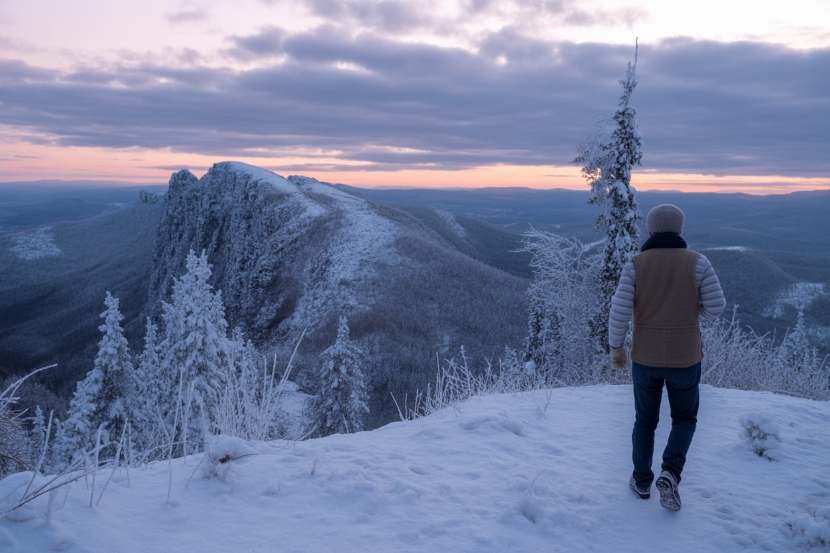
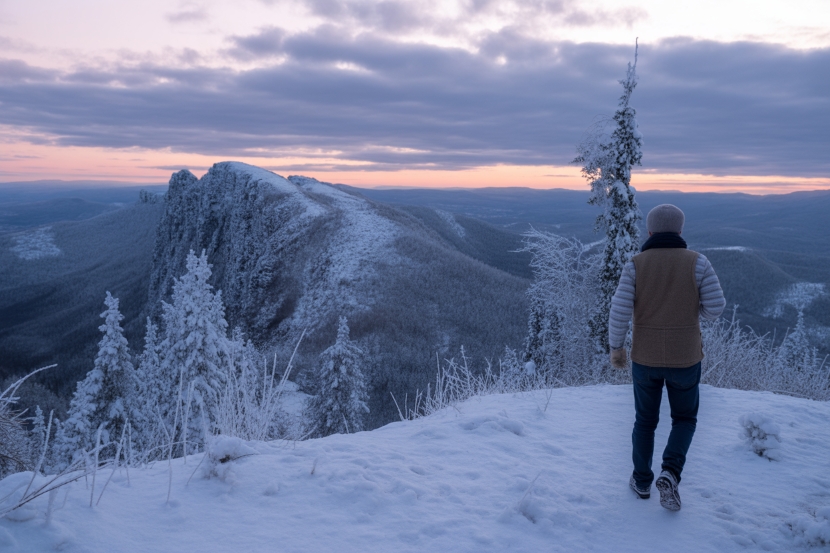
For travellers who prefer calm exploration over busy tourist flows, January offers advantages. Photographers can capture cleaner views of historic squares and mountain scenery. Guided tours may feel more personal. Local restaurants can provide attentive service without high demand pressure.
In many ways, a quieter period enhances authenticity. Travellers can engage more deeply with local culture, traditions and everyday life.
Seasonal Trends in the European Context
Romania’s January slowdown aligns with wider seasonal travel patterns across Europe. The first quarter of the year often sees lower leisure travel demand following the festive season. Cold weather, shorter daylight hours and school calendars influence travel behaviour.
This context is important when analysing tourism statistics. A single month rarely defines an entire year’s outlook. Tourism performance typically strengthens during spring and summer, when outdoor events, festivals and holiday travel increase.
Romania’s tourism infrastructure continues to develop, and industry stakeholders often use quieter months to prepare for peak periods. Investment in services, marketing and regional promotion remains ongoing.
Romania’s Enduring Travel Appeal
Beyond statistics, Romania retains strong long-term tourism fundamentals. The country offers UNESCO-listed heritage sites, fortified churches, painted monasteries, mountain resorts and wildlife-rich landscapes. The Danube Delta provides unique ecological experiences, while rural regions preserve centuries-old traditions.
Cost competitiveness remains another advantage. Compared with many Western European destinations, Romania offers affordable accommodation, dining and local transport. For value-conscious travellers, this factor strengthens the country’s appeal.
Moreover, Romania’s relatively low level of mass tourism allows visitors to discover places that feel genuine and unspoilt. This authenticity increasingly attracts travellers seeking meaningful experiences rather than standardised itineraries.
Looking Ahead to the Rest of 2026
Although January recorded a decline, industry expectations remain cautiously optimistic for the remainder of the year. Spring and summer typically generate stronger demand. Cultural festivals, outdoor activities and city events often stimulate travel flows.
The rise in international arrivals provides a positive signal. Continued promotion in overseas markets, combined with improving air connectivity, may support further growth.
For travellers planning European journeys in 2026, Romania presents an intriguing option. The January figures highlight a temporary slowdown, not a loss of appeal. Those willing to explore beyond peak seasons may discover a destination rich in history, natural beauty and cultural depth.
In travel, numbers tell one part of the story. Experience tells the rest. Romania’s quieter winter chapter may offer some of its most rewarding pages.
The post Romania’s Winter Tourism Slowdown in 2026 Explained: What the 7.3% Drop Really Means for European Travel Enthusiasts appeared first on Travel And Tour World.
