
In 2025, San Francisco joined Los Angeles, Santa Barbara, Hollywood, Santa Monica, San Jose, and other key cities in California in facing a significant setback as California tourism experienced a nearly five percent decline. The state, which has long been a powerhouse in the U.S. tourism industry, witnessed a drop in visitor numbers, as economic pressures, reduced international travel, and changing travel patterns took their toll. Cities like San Francisco saw a decrease in international arrivals, particularly from key markets like Canada and Europe, while Los Angeles and Hollywood struggled with declining international interest, compounded by issues like wildfires and high travel costs. Similarly, Santa Monica felt a major pullback from the Canadian market, and San Jose saw a reduction in business and group travel. These cities, which traditionally rely heavily on tourism, now face growing challenges in revitalizing their visitor economies. The nearly five percent drop in California tourism underscores the broader struggles faced by U.S. destinations, which need to adapt to shifting global conditions to secure a sustainable future for tourism.
California’s Tourism Decline: A Statewide Struggle in 2025
California saw a 4.9% decline in visitor numbers in 2025, with 4,405,332 visitors recorded compared to 4,632,208 in the previous year, according to data from trade.gov. This downturn reflects broader challenges faced by key cities across the state, each contributing to the decline in different ways. Los Angeles, traditionally a tourism powerhouse, saw a slight drop in visitor numbers, impacted by global economic pressures and reduced international travel. Similarly, San Francisco struggled with a decrease in international arrivals, particularly from Europe and Canada, amid economic uncertainty. In Santa Barbara, tourism spending lagged behind pre-pandemic levels, with both domestic and international markets showing signs of weakness. Hollywood, renowned for its entertainment allure, faced a 9% decline in international visits, driven by shifting consumer sentiment and the effects of wildfires. Santa Monica felt the brunt of a significant pullback from its Canadian market, with arrivals dropping by nearly 18-20%. Meanwhile, San Jose saw a softening in business and group travel, as many companies opted for virtual meetings over in-person events, weakening demand for hotel bookings and conventions. These six cities together paint a picture of a broader statewide struggle, where tourism recovery in California remains fragile and uneven in 2025.
San Francisco: Visitor Numbers Show a Small Dip

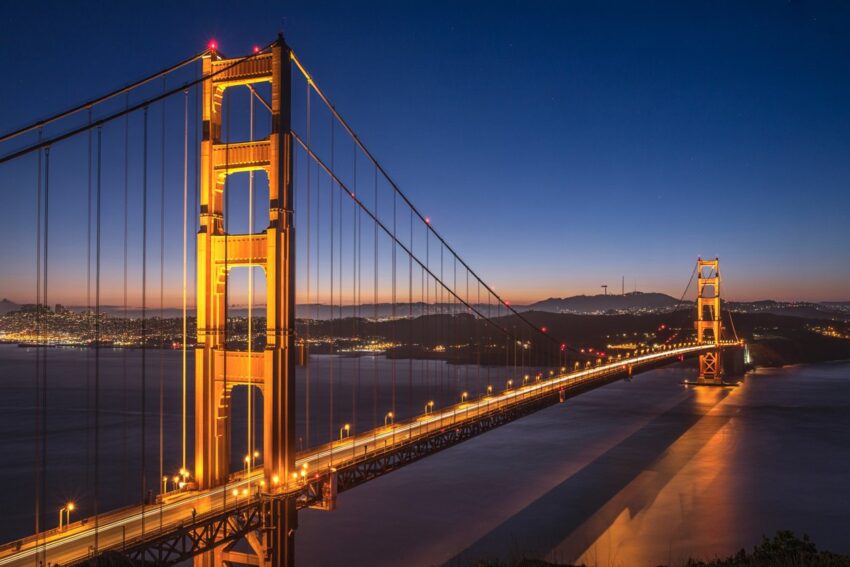
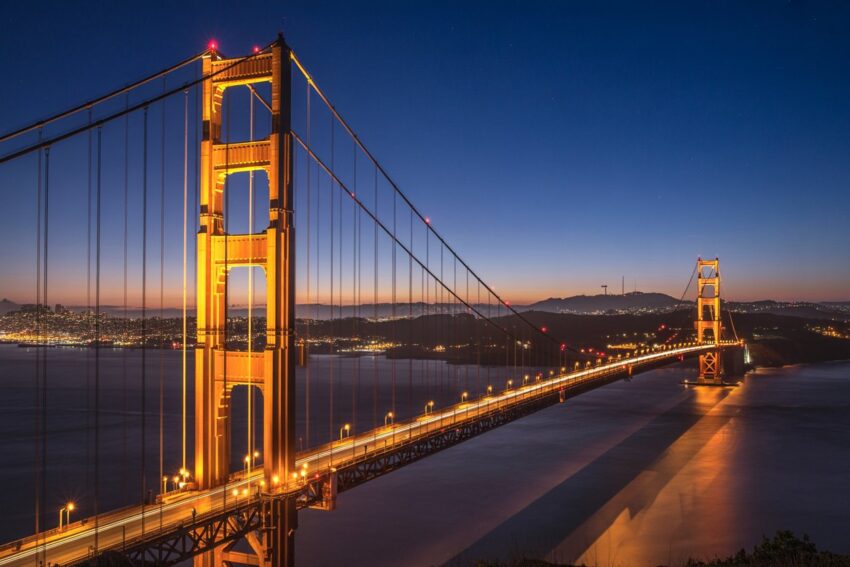
San Francisco experienced a slight decline in tourism in 2025, with 1,764,434 visitors recorded compared to 1,840,530 in the previous year. This decrease reflects the broader trend of reduced international travel to the United States, particularly from Canada and Europe. The city is famous for its Golden Gate Bridge, vibrant neighborhoods, and rich cultural history, but it faced challenges in 2025 due to economic uncertainty and shifting global travel patterns. While still a popular destination, the dip in visitor numbers shows how travel disruptions and changing consumer sentiment affected even major tourist hubs. International tourists, particularly those from countries with strong ties to the Bay Area, chose alternative destinations or adjusted their travel plans due to concerns about cost, safety, and logistics. Local businesses dependent on tourism, such as hotels, restaurants, and attractions, felt the impact. This slight downturn signals that while San Francisco remains a prime destination, the tourism sector in 2025 has yet to fully recover to pre-pandemic levels. The decrease in visitors highlights the challenges faced by cities trying to restore their tourism economies amid global shifts and economic pressures that affected both domestic and international travel.
Los Angeles: A Slight Decline in Visitor Numbers

Los Angeles, a renowned global entertainment hub, saw a small decline in visitor numbers in 2025, with 3,081,366 visitors compared to 3,191,820 the previous year. While this represents a decrease, the city continues to be one of the top destinations in California, attracting millions of tourists annually due to its diverse offerings, including iconic landmarks, beaches, and vibrant culture. However, the tourism sector in Los Angeles was affected by global economic factors and a decline in international travel. The strong U.S. dollar and rising travel costs made visiting the United States more expensive, especially for international tourists. Furthermore, the global uncertainty and shifting consumer behavior impacted long-haul international travel. Despite these challenges, Los Angeles remains a key player in California’s tourism industry, drawing millions of visitors each year. The slight drop in visitor numbers emphasizes how broader trends, such as economic pressures and the evolution of travel patterns, continue to shape tourism. However, the city’s resilience is evident in its ability to maintain its status as one of the world’s most visited locations. The decline, though noticeable, does not overshadow the city’s appeal to tourists both domestically and abroad.
Santa Barbara: Spending Struggles Hold Back Recovery

In 2025, Santa Barbara faced a significant challenge in recovering its pre-pandemic tourism levels. Despite its appeal as a coastal destination with Mediterranean-style charm, tourism spending remained below expectations, with total spending continuing to lag behind previous years. The city experienced a “continuing struggle,” as economic conditions and global factors affected its tourism sector. International visitor traffic, a crucial contributor to the city’s tourism economy, saw a decline as global travel was slow to rebound, particularly from key markets such as Canada and Europe. The impact was felt across the hospitality, retail, and dining sectors, with fewer hotel bookings and lower spending in attractions. While Santa Barbara remained a popular destination for those seeking a scenic getaway, the overall decline in tourism spending hindered its recovery in 2025. This slow recovery highlights how even well-established destinations can face hurdles in regaining momentum after disruptions. Santa Barbara’s experience is emblematic of broader struggles faced by other parts of California, where tourism is a key economic driver. The decline in international and domestic tourism spending has made it difficult for local businesses to return to the pre-pandemic success levels, emphasizing the fragile nature of the tourism rebound.
Hollywood: International Visits Fall Amid Fires and Sentiment Shifts
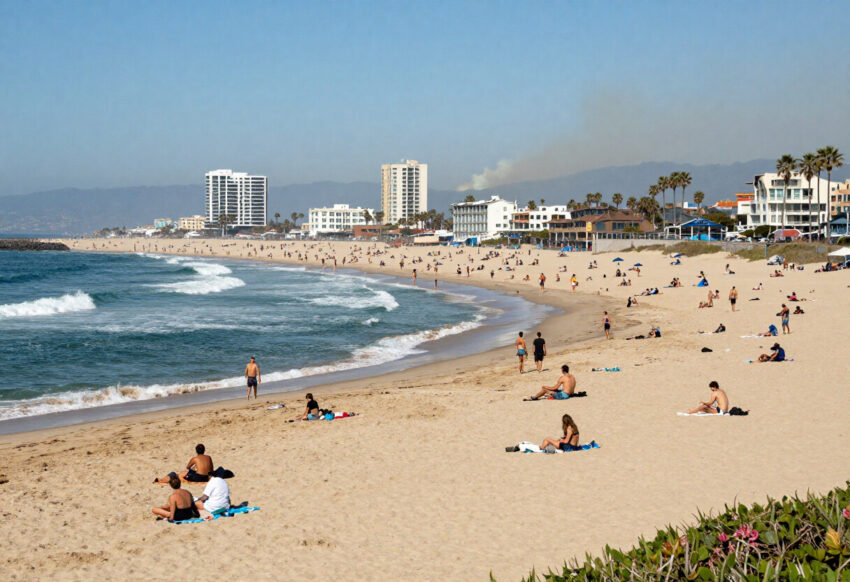
Hollywood, one of California’s most iconic destinations, faced a forecasted 9% decline in international visits in 2025, a blow to the tourism sector. The global appeal of Hollywood, with its iconic landmarks and entertainment industry legacy, could not shield it from the broader decline in international travel. Contributing factors included weakening global consumer sentiment, higher travel costs, and disruptions in travel services. Many international visitors chose not to visit Hollywood, opting for destinations with more favorable economic conditions or less uncertainty. Adding to the challenges were the wildfires that affected Southern California in early 2025, which created safety concerns for visitors. Media coverage of fire-related disruptions led to travel advisories and influenced the decision-making of international tourists, particularly those from Europe and Asia. Hollywood’s reputation for being a bustling, vibrant destination was dampened by these combined factors, leading to fewer international visitors and a dip in spending. The decline in tourism was particularly significant in the entertainment and retail sectors, which are heavily reliant on high-spending international visitors. This downturn highlights how natural disasters, economic factors, and changing travel trends can affect even the most iconic tourist destinations.
Santa Monica: The International Market’s Canadian Retreat

Santa Monica, a renowned coastal destination, faced a sharp decline in tourism in 2025, primarily due to a significant pullback from the Canadian market. Visitor numbers from Canada were down by roughly 18-20%, a notable drop for a city that has traditionally relied on Canadian travelers as a key source of international tourists. The decline in Canadian visitors was part of a broader trend of reduced international travel, which affected many coastal cities across California. Economic factors, including the strong U.S. dollar and higher travel costs, made trips to the U.S. less appealing for many Canadians. Additionally, shifting political and economic conditions in Canada led to a decrease in outbound tourism, further exacerbating the situation. The reduced Canadian market directly impacted Santa Monica’s hotel occupancy rates, foot traffic at beachfront attractions, and retail spending. Despite the city’s popularity among tourists, the loss of this vital international segment led to a slowdown in overall tourism activity. Santa Monica’s experience in 2025 highlights the vulnerability of coastal destinations that heavily depend on international markets. The decline in Canadian tourism added to California’s broader tourism struggles, especially in cities that traditionally depend on high-value international travelers.
San Jose: Soft Business and Group Travel Undermines Growth

San Jose, a key technology hub in California’s Silicon Valley, experienced a slowdown in tourism in 2025, primarily driven by a decline in business and group travel. The city’s tourism sector, which typically benefits from conventions, trade shows, and corporate events, saw reduced demand throughout the year. Many businesses continued to prioritize virtual meetings and hybrid work models, leading to fewer in-person events and a decrease in corporate travel. This shift in business travel habits contributed to lower hotel occupancy during weekdays, as corporate travelers often make up a significant portion of mid-week bookings. The decline in group travel, such as conferences and conventions, further exacerbated the situation, as these events traditionally bring large numbers of visitors to the city. The slower recovery of the business travel sector in San Jose reflected broader trends in California, where certain markets struggled to regain momentum. While the city remains an important destination for tech professionals and business travelers, the shift in how companies approach travel left a noticeable gap in tourism numbers. The reduction in business and group travel added to the state’s overall tourism decline, underscoring the challenges faced by regions reliant on these segments.
Tourism Decline Across Key California Cities in 2025
In 2025, San Francisco joined Los Angeles, Santa Barbara, Hollywood, Santa Monica, San Jose, and other cities in facing a nearly five percent decline in California tourism. This decline can be attributed to several factors, including global economic pressures, reduced international travel, and shifting consumer behavior. For cities like San Francisco, the dip in international arrivals from key markets such as Canada and Europe played a significant role, while cities like Hollywood and Santa Monica struggled with declining international visits, largely due to external factors like wildfires and travel cost hikes. Additionally, San Jose saw decreased demand for business and group travel as many companies continued adopting virtual meetings. These cities’ experiences are a reflection of broader challenges facing the U.S. tourism industry, underscoring the need for strategic planning and innovation to recover and secure future tourism growth.
In 2025, San Francisco joined Los Angeles, Santa Barbara, Hollywood, Santa Monica, San Jose, and other major California cities in experiencing a nearly five percent decline in tourism, driven by global economic factors and reduced international travel.
Conclusion
San Francisco, along with Los Angeles, Santa Barbara, Hollywood, Santa Monica, San Jose, and other major cities, contributed to the nearly five percent decline in California tourism in 2025. This downturn reflects the broader struggles of key U.S. cities grappling with the combined effects of economic uncertainty, reduced international travel, and shifting consumer preferences. While California remains a leading global tourism destination, the challenges faced in these cities highlight the fragility of tourism recovery, emphasizing the need for targeted strategies to revitalize and sustain the sector. To ensure future growth, California must address these challenges head-on with innovative policies and sustainable practices to safeguard its status as a top global travel hub.
The post San Francisco Joins Los Angeles, Santa Barbara, Hollywood, Santa Monica, San Jose, and Other Cities Hammering US Travel with Nearly Five Percent Decline in California Tourism Last Year: Everything You Need To Know appeared first on Travel And Tour World.
