

Sari: The Cultural Capital Anchoring Tourism in Mazandaran
Sari, Mazandaran Province: A City Connecting Coast, Forest, and History
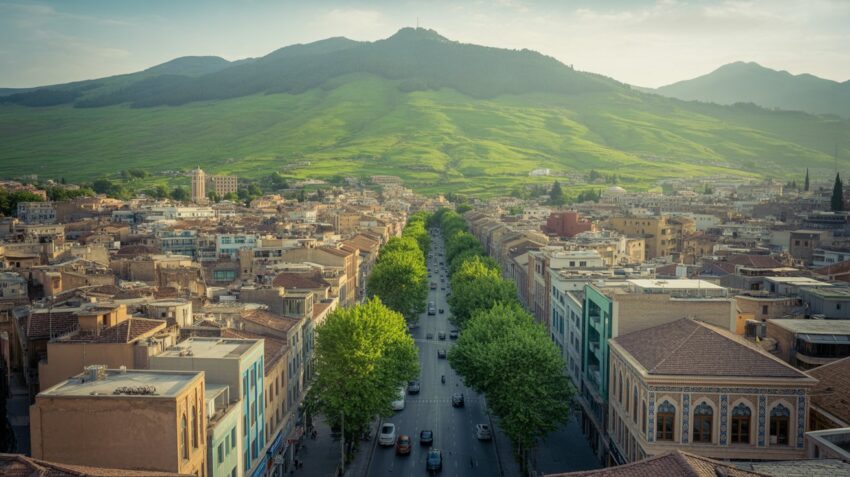
Sari stands as one of northern Iran’s most important urban centers and the administrative capital of Mazandaran Province. Positioned between the Caspian Sea coastline and the forested foothills of the Alborz Mountains, the city occupies a strategic and symbolic role in the region’s tourism geography. Unlike resort towns defined by beaches or mountain retreats shaped by altitude, Sari represents continuity, governance, culture, and everyday life woven into a travel experience.
For travelers, Sari offers a layered destination where history, modern urban life, and access to diverse landscapes converge. Tourism in Sari is not driven by a single landmark but by its role as a cultural anchor and gateway to some of northern Iran’s most varied natural and historical environments.
Understanding Sari Through the Five W and One H
What Defines Sari as a Tourism Destination
Sari is defined by its cultural depth, administrative significance, and proximity to natural attractions. As a provincial capital, it hosts institutions, historic sites, markets, and cultural centers that reflect Mazandaran’s identity.
From a tourism perspective, Sari offers heritage exploration, urban culture, traditional cuisine, and easy access to forests, plains, and coastal areas. Its appeal lies in balance rather than specialization.
Where Sari Is Located
Sari is located in central Mazandaran Province, slightly inland from the Caspian Sea and at the northern edge of the Alborz mountain range. This position places it at the intersection of coastal plains and mountainous terrain.
Its geographic setting makes Sari a natural hub for travelers moving between the Caspian coast, forest regions, and inland routes.
Who Visits Sari
Sari attracts a diverse range of visitors. Domestic travelers include families, cultural tourists, students, and business travelers connected to administrative functions. Many visitors use Sari as a base for exploring the surrounding destinations.
International travelers interested in regional capitals, everyday Iranian life, and cultural authenticity increasingly include Sari in northern Iran itineraries.
When Sari Became a Tourism Center
Sari’s importance dates back centuries due to its political and cultural roles. Tourism developed alongside urban growth and regional connectivity rather than through planned resort development.
The city receives visitors throughout the year, with spring and summer seeing increased activity due to favorable weather and regional travel patterns.
Why Sari Matters for Northern Iran Tourism
Sari provides structure to Mazandaran’s tourism landscape. While coastal towns and forest retreats attract leisure travelers, Sari offers context, services, and cultural grounding.
Its role as a transport, administrative, and cultural hub strengthens the region’s overall tourism ecosystem.
How Tourism Integrates Into Urban Life
Tourism in Sari is fully integrated into daily life. Historic streets, markets, parks, and public institutions function primarily for residents while remaining accessible to visitors.
This integration ensures authenticity and reduces the separation between tourist spaces and local communities.
Historical Roots and Cultural Identity
Sari’s historical significance is reflected in its urban fabric and cultural memory. The city has long served as a center of governance, trade, and learning in Mazandaran, shaping its identity as a place of continuity and leadership.
For tourists, exploring Sari means engaging with a living city where history is embedded in neighborhoods, institutions, and routines rather than isolated monuments.
Traditional Neighborhoods and Urban Fabric
Older districts of Sari reveal architectural styles adapted to the region’s climate and social life. Traditional houses, shaded streets, and communal spaces illustrate how urban design evolved in response to humidity and greenery.
Walking through these areas allows visitors to experience the city at a human scale, reinforcing Sari’s role as a cultural rather than spectacle-driven destination.
Markets and Everyday Commerce
Sari’s markets are central to both local life and tourism. These spaces bring together agricultural products from across Mazandaran, including rice, citrus, vegetables, and local specialties.
For travelers, markets offer insight into regional food culture and economic patterns, providing a sensory introduction to Mazandaran’s abundance.
Culinary Traditions of Mazandaran
Food plays a vital role in Sari tourism. The city’s cuisine reflects the agricultural richness of the surrounding plains and forests. Rice-based dishes, herbs, vegetables, and regional flavors dominate local menus.
Dining in Sari allows visitors to understand Mazandaran’s relationship with land and climate through taste and tradition.
Cultural Institutions and Urban Life
As a provincial capital, Sari hosts cultural institutions, educational centers, and public spaces that contribute to its intellectual atmosphere. Museums, libraries, and cultural venues support exhibitions and events tied to regional identity.
These institutions add depth to tourism by offering learning and reflection alongside leisure.
Nature Access From an Urban Base
One of Sari’s strongest tourism advantages is its proximity to nature. Forested areas, mountain roads, and rural landscapes are easily accessible from the city.
This allows travelers to combine urban exploration with day trips into natural environments without changing accommodation, reinforcing Sari’s role as a gateway destination.
Climate and Seasonal Appeal
Sari’s climate is shaped by both the Caspian Sea and the Alborz Mountains. Warm, humid summers and mild, green springs define peak travel seasons, while autumn and winter offer quieter exploration.
Seasonal variation enhances the city’s visual and cultural character, encouraging repeat visits.
Accommodation and Visitor Services
Sari offers a wide range of accommodation options, from hotels and guesthouses to serviced apartments. Facilities cater to families, business travelers, and cultural tourists alike.
Visitor services are well developed due to the city’s administrative role, enhancing comfort and accessibility.
Transportation and Regional Connectivity
Sari is a major transportation hub in Mazandaran. Road and rail connections link it to coastal towns, mountain regions, and inland provinces.
This connectivity supports multi-destination travel and positions Sari as a logistical anchor for northern Iran tourism.
Economic Role of Tourism
Tourism contributes steadily to Sari’s economy by supporting hospitality, retail, transport, and cultural services. Unlike seasonal resort towns, Sari benefits from consistent visitor flow throughout the year.
This stability supports sustainable economic development and employment.
Cultural Continuity and Modern Life
Sari balances tradition and modernity. Contemporary urban life coexists with cultural practices rooted in Mazandaran’s history.
For travelers, this coexistence offers a realistic and engaging view of northern Iranian society.
Challenges of Urban Tourism Growth
As Sari grows, challenges include traffic, urban expansion, and heritage preservation. Managing tourism within a living city requires careful planning to protect cultural assets and the quality of life.
Sustainable tourism strategies focus on enhancement rather than transformation.
Responsible Tourism and Community Engagement
Tourism in Sari emphasizes respect for cultural norms and community spaces. Visitors are encouraged to engage thoughtfully with local life and support small businesses.
This approach strengthens positive relationships between residents and travelers.
The Future of Sari Tourism
Sari’s tourism future centers on reinforcing its role as Mazandaran’s cultural and logistical heart. Investments in heritage conservation, public spaces, and visitor interpretation aim to enhance experiences without compromising authenticity.
By positioning itself as a gateway rather than a spectacle, Sari maintains relevance across changing travel trends.
A Capital City That Grounds the Journey
Sari offers travelers more than attractions. It offers understanding. As the capital of Mazandaran, it provides context, connection, and continuity within northern Iran’s diverse tourism landscape.
For those seeking destinations where culture, governance, and everyday life intersect, Sari stands as a meaningful place to begin and anchor the journey. In a region celebrated for nature and coastlines, this city quietly reminds visitors that the heart of travel often lies in the places where people live, work, and remember.
The post Sari Tourism Profile: How Mazandaran’s Capital Is Emerging as a Cultural and Nature Gateway in Northern Iran appeared first on Travel And Tour World.
