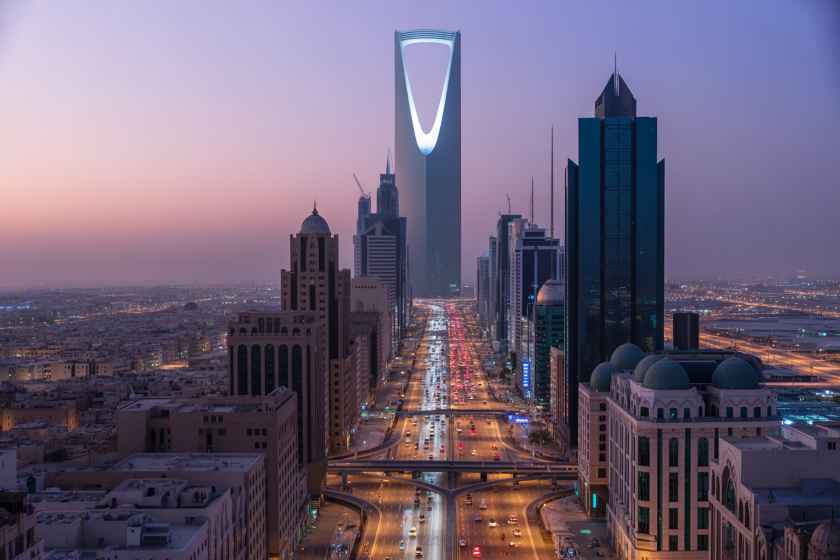

Saudi Arabia & Riyadh, Jeddah, Red Sea Coast have become central to one of the fastest-growing tourism stories globally, as the Kingdom recorded more than 122 million domestic and international tourists during 2025. Preliminary figures released by the Ministry of Tourism show total tourism spending reached approximately SAR 300 billion (around USD 80 billion), marking a six percent increase compared with the previous year.
For travelers, these numbers reflect a destination that is no longer emerging but actively operating at scale. Visitor numbers rose by five percent year-on-year, showing sustained demand across Saudi Arabia’s expanding portfolio of destinations. The growth places the country closer to its Vision 2030 objective of welcoming 150 million tourists annually.
Saudi Arabia Tourism
Travel demand has been spread across domestic and international markets, reshaping how tourism flows through the Kingdom. Domestic travel continues to play a significant role, with residents exploring new regions and experiences, while international arrivals are increasingly factoring Saudi Arabia into regional and long-haul itineraries.
The rise in tourism spending points to deeper engagement by visitors. Longer stays and higher average expenditure per trip indicate that travelers are moving beyond short visits, spending more time across multiple destinations and participating in a wider range of activities. Accommodation, transport, dining, entertainment, and guided experiences have all contributed to the overall increase.
Riyadh remains a major entry point and hub for business and events tourism. The city’s growing calendar of conferences, exhibitions, and international gatherings has driven year-round travel demand, complementing leisure travel during peak seasons. Improved air connectivity and hotel capacity support this steady flow of visitors.
Jeddah continues to anchor tourism along the Red Sea, combining coastal leisure with cultural exploration. Historic districts, waterfront developments, and access to marine activities attract both domestic and international travelers. The city also serves as a gateway for religious travel and broader Red Sea tourism routes.
Beyond major cities, destinations such as the Red Sea coast and AlUla have become increasingly visible in travel planning. Resort developments, nature-based experiences, and heritage tourism have diversified the country’s appeal, offering travelers options that range from beach-focused stays to cultural exploration and desert landscapes.
Tourism Growth
The Ministry of Tourism attributes the sector’s growth to a combination of regulatory reforms, infrastructure development, and expanded investment in tourism products. Streamlined licensing procedures and investor support programs have accelerated the rollout of hotels, attractions, and transport services, increasing capacity across the country.
For travelers, these developments translate into more choice and improved service quality. New accommodation options span luxury resorts, mid-range hotels, and serviced apartments, allowing destinations to cater to different travel styles and budgets. Transport improvements support easier movement between regions, encouraging multi-destination trips.
Cultural tourism has emerged as a key driver of demand. Festivals, exhibitions, and heritage experiences have drawn visitors interested in Saudi Arabia’s history and traditions. Nature tourism, including desert excursions and coastal activities, has further broadened the country’s travel offering.
Business tourism remains a strong pillar, with international events contributing to consistent hotel occupancy and extended stays. Many visitors combine business trips with leisure travel, exploring nearby destinations before or after formal engagements.
Major events hosted throughout the year have also supported tourism growth. These events attract international visitors while encouraging domestic travel, contributing to balanced demand across seasons. The diversification of tourism products reduces reliance on a single travel segment, supporting year-round activity.
Infrastructure investment continues to shape the travel experience. Airports, roads, and visitor facilities have been expanded or upgraded to support higher volumes. Digital platforms and service enhancements improve trip planning, booking, and on-the-ground navigation for travelers.
The increase in tourism spending also reflects growing confidence among travelers. Repeat visitation and extended itineraries suggest that visitors are integrating Saudi Arabia more fully into their regional and global travel plans.
Employment and skills development in the tourism sector have expanded alongside visitor growth. Hospitality, transport, guiding, and event services benefit directly from higher travel volumes, reinforcing tourism’s role within the national economy.
Conclusion
As Saudi Arabia advances toward its Vision 2030 tourism targets, the 2025 performance marks a significant milestone. Each additional visitor supports a wider network of services and destinations, strengthening the country’s position within the global travel market.
For travelers, the figures signal a destination that is ready for large-scale tourism while continuing to add new experiences. With growing demand across leisure, culture, nature, and business travel, Saudi Arabia’s tourism landscape in 2025 reflects a market in motion—one that is increasingly present on global itineraries and shaping how the Middle East is explored.
The post Saudi Arabia’s Expanding Destinations Are Drawing Millions of New Visitors appeared first on Travel And Tour World.
