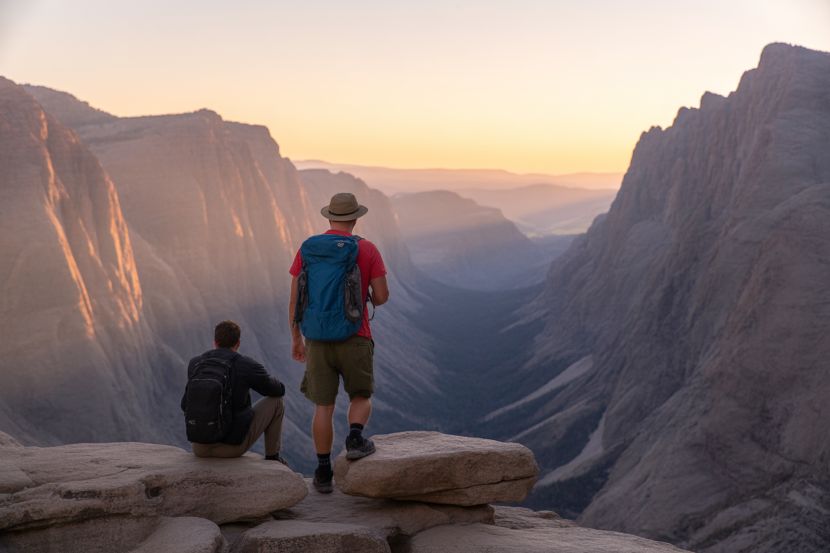

In a bold move set to reshape the visitor experience in U.S. National Parks, the U.S. Department of the Interior has introduced a sweeping “America-First Pricing” policy that began on 1 January 2026. This new pricing structure fundamentally changes how visitors pay for entry to the country’s most iconic natural treasures. U.S. residents are set to benefit from the adjustments, while international tourists may face a significant financial hit.
What Is the ‘America-First Pricing’ Policy?
Starting in 2026, the America the Beautiful annual pass remains at $80 for U.S. residents. However, foreign visitors, who previously paid the same price for a pass, will now face a higher cost of $250 for the same pass, marking a significant increase. For tourists entering the 11 most visited national parks, a $100 surcharge will be applied to non-U.S. residents, on top of the usual park entry fees. These parks include Yellowstone, Yosemite, Grand Canyon, Everglades, and Grand Teton, among others.
This new policy applies to visitors aged 16+ and aims to provide an avenue for increasing the national park system’s financial resources while maintaining affordable access for U.S. taxpayers. While this move has been hailed by some as a much-needed update to park funding, it has sparked considerable debate about its fairness and potential repercussions on global tourism.
Why the Fee Increases?
Government officials argue that the new pricing structure is necessary to help maintain the National Park System, which faces an estimated $20 billion maintenance backlog. The higher fees are expected to generate more revenue for repairs, infrastructure improvements, and visitor services, especially in the most popular parks that struggle with high traffic levels. The funds will also support a fully digital pass system that simplifies the entry process, allowing visitors to use their mobile devices for park access.
According to the National Park Service (NPS), the revenue generated will go directly to maintaining the parks and enhancing visitor experiences. This change is expected to make the park experience more accessible to U.S. residents who fund the system through taxes, while still encouraging international visitors to contribute their fair share toward the upkeep of these national treasures.
The Emotional Impact on International Visitors
While U.S. residents will largely see no change in the cost of entry, the new pricing structure has generated strong reactions from the international community. For foreign tourists, the additional $100 surcharge in the most visited parks could prove to be a deterrent, especially for those already struggling with the financial burden of international travel.
Visitors from around the world, particularly those who come from countries with weaker currencies, may find it challenging to justify the increased costs. Some experts predict that the surcharge will result in lower visitation rates from international tourists, potentially leading to a decline in tourism revenue for surrounding communities that depend heavily on foreign visitors.
Critics argue that this could harm the U.S. tourism industry, which often depends on international visitors who tend to stay longer and spend more money than domestic travelers. Moreover, the increased cost of park visits may lead to fewer international travelers choosing the U.S. as their destination for nature tourism.
Increased Wait Times and Administrative Burdens
The new system also introduces a logistical challenge: park staff will need to verify residency status for every visitor, a responsibility they have never had to shoulder before. With the implementation of the new fee structure, longer wait times at park entrances are likely, and staff are concerned about the additional workload required to enforce the policy.
Visitors who are caught unaware of the changes may be frustrated by the sudden increase in fees at the entrance gate, leading to confusion and delays. To address this, many park staff are undergoing training to handle the administrative burden of the new system, though some are worried about how smoothly the process will run once the policy is fully implemented.
Legal and Political Backlash
While the Department of the Interior defends the policy as a fair way to balance the interests of U.S. taxpayers and foreign visitors, the new fees have sparked backlash from environmental groups, conservationists, and tourism organizations. Legal challenges are already underway, with some arguing that charging different prices based on nationality could be considered discriminatory.
In addition, the politicisation of the National Park pass has become a point of contention. The new pass designs feature President Trump’s portrait, prompting discussions about the role of politics in a system that has traditionally been considered a nonpartisan symbol of public access. Activists have raised concerns about the political implications of such changes, with some filing lawsuits to challenge the decision.
Despite the political pushback, the policy remains in place for the time being, and park officials are moving forward with the implementation, which is expected to continue through 2026.
The Future of U.S. National Parks: Balancing Accessibility and Sustainability
The introduction of America-First Pricing marks a significant turning point in the way U.S. National Parks are funded and accessed. While some are optimistic about the added resources the new fees will provide, others are concerned about the long-term effects on the park system’s reputation and visitor demographics.
In the coming months, park officials will closely monitor the effects of the new pricing structure, particularly its impact on international visitation. They will also look for ways to improve the visitor experience amid the changes, ensuring that all tourists—regardless of nationality—continue to enjoy access to the natural wonders that have made the U.S. a leading global tourist destination.
At the same time, local communities near national parks will be watching closely to see how the fee hikes affect their economies. If international tourism declines, businesses that rely on park visitors could face difficult times. Conversely, the hope is that additional revenue from international visitors will lead to better park infrastructure and enhanced experiences for all who visit.
Final Thoughts
In conclusion, the America-First Pricing policy represents a bold attempt by the U.S. government to modernize the National Park System’s funding model. However, it raises important questions about fairness, accessibility, and the future of U.S. tourism. As the policy continues to unfold, it will undoubtedly shape the experiences of millions of national park visitors, both from the U.S. and abroad. Only time will tell whether this controversial policy will achieve its intended goals or if it will face further challenges down the line.
The post Shocking 2026 National Park Fee Hike! US Residents Save Big While Foreign Visitors Face Jaw-Dropping Surcharge! appeared first on Travel And Tour World.
