
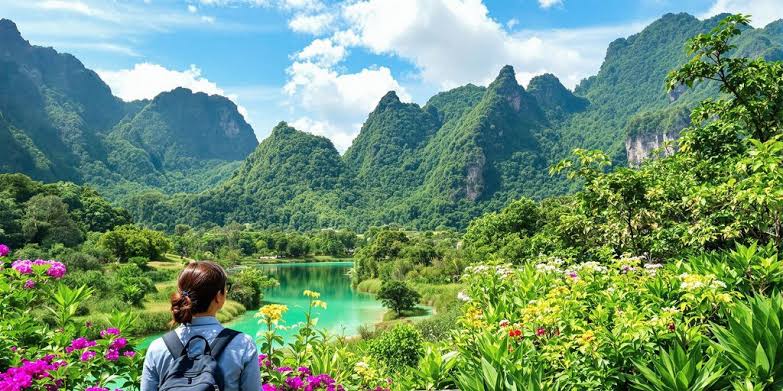
Momentum for responsible travel has been building. The tourism boom forecast for 2026 is expected to spotlight Asian destinations that have invested in sustainable places and green infrastructure. Travel planning has been shaped by climate change concerns; destinations where ecosystems and heritage are respected are favoured. As awareness of environmental footprints has increased, cities combining heritage, innovation and nature are likely to receive more attention. This overview, written in passive voice from a third‑person perspective, draws on official sources to explain why each featured city has been regarded as a model of sustainable urban tourism.
Garden City Singapore: Urban Nature Reinvented
Singapore’s government brands the city‑state as a City in Nature, encouraging travellers to explore mangroves, coasts and lush parks[1]. The centrepiece is theSingapore Botanic Gardens, a tropical UNESCO World Heritage Site[2] where people picnic among orchids or jog along rainforest trails[3]. Complementary attractions include the Henderson Waves Bridge and Pulau Ubin, which offer panoramic views and rustic adventures[4][5], while theSungei Buloh Wetland Reserve invites bird‑watching and quiet treks[6]. These eco‑attractions are expected to make Singapore a major draw during the 2026 tourism surge.
Seoul’s Eco Streams and Urban Renewal
Seoul has rejuvenated its downtown through innovative waterway projects. The official site notes that theCheonggyecheon Stream was restored in 2003, transforming polluted channels into a 5.84‑kilometre waterway lined with twenty‑two bridges[7]. Elsewhere, theTancheon and Yangjaecheon streams feature wooden decks through wetlands and paved cycling paths[8]. These projects link ecology with recreation and community engagement and are anticipated to attract travellers seeking urban sustainability experiences in 2026.
Tokyo’s Oasis: Shinjuku Gyoen National Garden
Amid Tokyo’s bustle stands Shinjuku Gyoen National Garden, a 58.3‑hectare blend of formal, landscape and traditional Japanese gardens[9]. A nineteenth‑century greenhouse, rebuilt in 2012, preserves endangered species and showcases environmental conservation[10]. This serene retreat demonstrates that even a megacity can integrate nature and sustainability and is poised to welcome visitors who value green space and cultural heritage in 2026.
Bhutan’s Thimphu: Carbon‑Negative Sanctuary
Bhutan’s official travel portal proudly states that more than 70 per cent of the country is forested and it remains the world’s first carbon‑negative nation[11]. Within the capital, the Motithang Takin Preserve embodies this ethos. According to the Dzongkhag Administration, the semi‑wild sanctuary was created when the fourth king opposed keeping animals in captivity; it covers about 8.4 hectares and allows takins and other animals to roam freely among pine forests[12]. This blend of conservation, education and recreation positions Thimphu as a beacon for sustainable tourism and is expected to capture travellers’ imaginations during the 2026 travel season.
Abu Dhabi’s Masdar City: Living Eco‑City
Masdar City in Abu Dhabi represents a living eco‑city. Its official website invites guests to a Visitor Center that serves as a gateway to a sustainable future[13]. Visitors ride aPersonal Rapid Transit (PRT) autonomous vehicle and explore digital master plans highlighting renewable energy projects and the UAE’s climate plan[14]. The centre makes clear that sustainability is embedded in every aspect of the city, positioning Masdar City as an innovative tourism highlight.
This futuristic approach to urban living is likely to entice tech‑savvy visitors in 2026 who wish to see how sustainable cities might operate.
Bangkok’s Green Lung: Bangkachao’s Community Oasis
Across the river from Bangkok, Bangkachao is known as the city’s lungs. The Tourism Authority of Thailand cites it as a community‑based tourism site and notes that it earned a 2023 award for conservation and local traditions[15]. Sri Nakhon Khuean Khan Park and Botanic Garden is promoted as a must‑see area where visitors rent bicycles and follow shaded, informative paths[16]. Kayaking, bird‑watching and creative workshops encourage slow, nature‑centric travel[17]. Officials highlight the area’s calming pace and greenery[18], making Bangkachao a sustainable escape near a megacity.
Its proximity to Thailand’s capital and emphasis on community make Bangkachao a natural candidate for travellers seeking tranquil day‑trips during the expected tourism boom of 2026.
Category‑Wise Summary of Cities and Sustainable Places
| City | Country/Region | Sustainable place(s) | Category | Notable features |
| Singapore | Singapore | Botanic Gardens,Henderson Waves,Pulau Ubin,Sungei Buloh | Garden, bridge, island, wetland | UNESCO garden[2]; high bridge[4]; rustic island[5]; wetland reserve[6] |
| Seoul | South Korea | Cheonggyecheon, Tancheon,Yangjaecheon | Restored waterways | Restored stream with bridges[7]; wetlands and cycling paths[8] |
| Tokyo | Japan | Shinjuku Gyoen | Urban garden | 58‑ha oasis and conservation greenhouse[9][19] |
| Thimphu | Bhutan | Motithang Takin Preserve | Wildlife sanctuary | Semi‑wild preserve for takins and other animals[12] |
| Masdar City | UAE | Masdar Visitor Center | Eco‑city attraction | PRT ride and interactive sustainability exhibits[20] |
| Bangkok | Thailand | Bangkachao,Sri Nakhon Park | Community green space | Award‑winning green lungs with bike paths and eco activities[21][18] |
Conclusion
As the 2026 tourism boom approaches, these Asian cities prove that sustainable development and tourism can thrive together. Each case study shows how official planning and community engagement transform urban environments and rural sanctuaries. Singapore weaves biodiversity into its dense urban environment, Seoul restores waterways to give nature back to residents, and Tokyo preserves historical gardens as ecological havens. Bhutan’s Thimphu protects its national animal in semi‑wild conditions, Masdar City presents a living laboratory of eco‑technology, and Bangkok’s Bangkachao nurtures community‑based tourism just steps from a megacity. By choosing destinations that prioritise sustainability, travellers help ensure that these green cities will flourish and inspire long after the boom subsides. Such commitment strengthens their enduring appeal.
The post Singapore Joins Bangkok, Seoul and Tokyo in Offering New Green Tourism Initiatives to Boom Travel in 2026: What You Need to Know appeared first on Travel And Tour World.
