
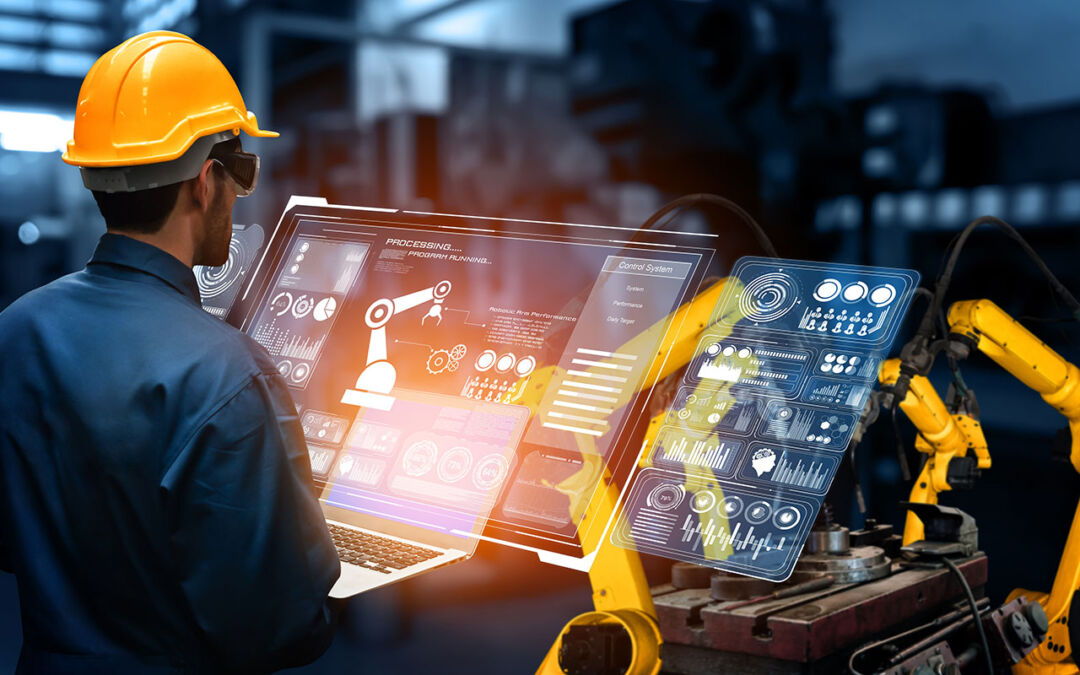
Automation is no longer a distant possibility — it’s the economic earthquake shaking industries today. What started as simple machine assistance has evolved into sophisticated AI-driven ecosystems, robotic operations, predictive intelligence, and self-learning systems that are quietly (and rapidly) transforming how global industries function.
From boardrooms to factory floors, automation has become the new competitive edge — and those who fail to adapt are already being left behind. As the world accelerates toward an automated future, the question is no longer if automation will dominate, but which industries will survive the shift.
Welcome to the billion-dollar transition reshaping the global economy.
The Turning Point: Why Automation Is Exploding Now
Three forces are fueling the global automation wave:
1. Massive Labor Shortages
From logistics to manufacturing, companies around the world are struggling to find enough workers. Automation is filling the gaps — efficiently, consistently, and without burnout.
2. AI Breakthroughs
Artificial intelligence now performs tasks far beyond human speed and precision:
– real-time data analysis
– predictive maintenance
– autonomous decision-making
– natural language processing
– pattern detection across billions of data points
This leap in intelligence has made automation commercially viable at unprecedented scale.
3. Cost Efficiency & Competitive Pressure
When automated systems reduce operating costs by 30%–70%, the economic incentive becomes too strong to ignore. Businesses that resist automation risk falling behind competitors who embrace it.
Industry #1: Manufacturing — The Automation Pioneer Reaches the Next Level
Manufacturing has always been automation’s testing ground, but the transformation we’re seeing today goes far beyond robotic arms.
Smart Factories Are Here
Factories are becoming fully interconnected digital ecosystems where machines communicate, learn, and adapt.
AI-driven robots can now:
✔ self-calibrate
✔ detect defects instantly
✔ adjust workflows dynamically
✔ optimize production in real-time
This “lights-out manufacturing” — factories operating with little or no human presence — is no longer science fiction. It’s a competitive necessity in countries like China, Germany, South Korea, and Japan.
Impact:
- Labor efficiency surges
- Production costs decline
- Quality control improves dramatically
- Faster product turnaround
The manufacturing sector alone is expected to infuse over $500 billion in automation investments over the next decade.
Industry #2: Logistics & Supply Chain — Where Automation Fixes Chaos
Global supply chain disruptions exposed how fragile traditional logistics systems were. Automation is stepping in as the stabilizing force.
Autonomous Delivery & Warehouse Systems
Drones, autonomous trucks, and robotic sorting systems are now commonplace in high-volume supply chain hubs.
Companies like Amazon, DHL, and UPS are integrating:
- robotic picking arms
- AI-driven route optimization
- automated warehousing
- predictive stock replenishment
- self-driving delivery fleets
Why It Matters:
Automation eliminates human error, reduces delays, and ensures 24/7 operation in an industry where every second counts.
Impact:
- Faster shipping
- Lower logistics costs
- Leaner inventory systems
- More resilient supply chains
By 2030, nearly 60% of warehouse activities are expected to be fully automated.
Industry #3: Retail — A Silent Revolution Behind the Scenes
Retail automation is happening so quietly that many consumers don’t realize how much has changed — yet it’s one of the industries undergoing the fastest transformation.
AI Checkout & Smart Stores
Self-checkout kiosks were just the beginning.
Now, cashier-less stores, AI-powered inventory systems, and automated restocking are becoming the norm.
Behind-the-Scenes Automation:
- AI analyzing customer behavior
- Algorithms predicting product demand
- Robots restocking shelves
- Automated price adjustment systems
The future of retail will prioritize seamless experiences, and automation is the backbone making it possible.
Industry #4: Finance — Where Algorithms Are Replacing Analysts
Finance is undergoing a silent but radical shift. Today, machines outperform humans in:
✔ trading
✔ fraud detection
✔ risk analysis
✔ market forecasting
✔ customer support
Rise of Algorithmic Finance
AI-driven trading bots now handle more than 70% of all market orders in major global markets. These systems make split-second decisions based on algorithms that analyze millions of data points across global markets.
Automation Is Reshaping Banking Too
From automated loan approvals to AI-powered robo-advisors, banking has become smarter and faster.
Impact:
- Reduced operational costs
- Higher accuracy in decision-making
- Better financial analytics
- Personalized customer services at scale
Finance may be the industry where automation delivers the highest ROI.
Industry #5: Healthcare — Automation That Saves Lives
The healthcare sector is experiencing an automation revolution unlike anything seen before.
AI Diagnosis & Predictive Medicine
AI models now diagnose diseases with accuracy equal to, or better than, human specialists. Medical imaging analysis, predictive health monitoring, and personalized treatment plans are all driven by automation.
Robotic Surgery
Robots like the da Vinci Surgical System assist surgeons with precision that human hands cannot match.
Hospital Automation:
- automated patient records
- AI triage assistants
- robotic pharmacy systems
Automation is helping hospitals become more efficient while allowing medical professionals to focus on what they do best — care for patients.
Industry #6: Agriculture — Farming Enters the Digital Age
Once seen as low-tech, agriculture is now one of automation’s biggest frontiers.
Smart Farming Tech Includes:
- autonomous tractors
- robotic harvesters
- drone crop monitoring
- AI-based soil analysis
- automated irrigation
These systems dramatically increase crop yields, reduce waste, and cut labor costs — essential in a world facing population growth and climate pressure.
The agriculture automation market is projected to surpass $70 billion within the decade.
Industry #7: Energy — Running the World on Automated Intelligence
The global energy sector is evolving fast as automation ensures efficient, sustainable, and safe operations.
AI Is Now Used For:
- balancing power grids
- forecasting energy demand
- detecting pipeline issues
- optimizing renewable energy output
Automation is enabling oil, gas, and renewable energy companies to make smarter, faster decisions with fewer risks.
What This Means for the Workforce
The debate is no longer “Will automation replace jobs?” but rather “How quickly will the shift happen — and who will adapt?”
Jobs at Risk:
- repetitive manual labor
- basic data-entry roles
- low-skill manufacturing positions
- inventory and warehouse jobs
Jobs Being Created:
- AI system managers
- automation engineers
- robotics maintenance specialists
- data analysts
- digital operations managers
Automation is reshaping work, not destroying it — but the workforce must reskill fast.
The Billion-Dollar Question: Who Wins in the Automation Era?
The winners will be the businesses that:
✔ adopt automation early
✔ embrace AI as a strategic asset
✔ invest in workforce reskilling
✔ redesign processes around digital efficiency
The losers?
Companies that cling to outdated models, resist technological integration, or fail to adapt to a rapidly changing economy.
The billion-dollar shift is not slowing down. It’s accelerating — and industries that grasp automation’s full potential today will be the powerhouses of tomorrow.
