
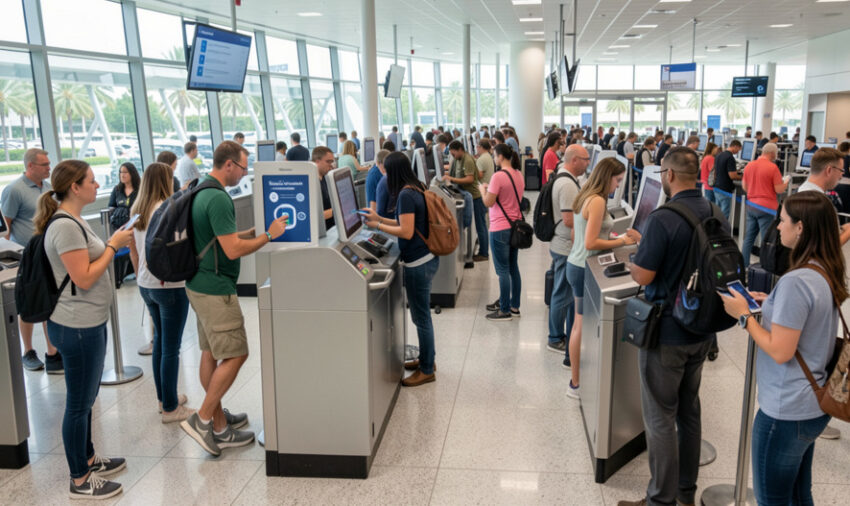
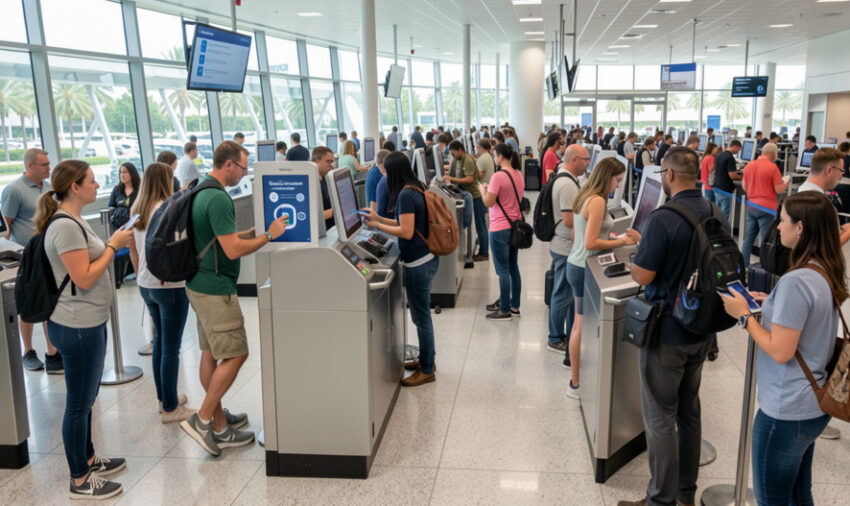
Starting 25 February 2026, the UK will shift to a fully digital immigration system under the Border 2025 programme. Physical documents like visas, biometric residence permits, and entry stamps will be replaced by eVisas linked to passports and stored in the UKVI online account. This change aims to improve security, reduce fraud, and streamline the immigration process, with Border Force officers using passport scans to verify traveler details. Businesses will need to ensure that employees’ information is updated in their UKVI accounts before travel to avoid disruptions.
Britain is set to make a significant shift to a fully digital immigration system starting from 25 February 2026. The Home Office will cease issuing physical documents such as vignette stickers, biometric residence permits (BRPs), paper entry stamps, and other evidence of status. Instead, successful visitors applying for a visa will receive an electronic visa (eVisa) directly linked to the passport they use for travel. This eVisa will be stored in the UK Visas & Immigration (UKVI) online account, making it easy for both travelers and authorities to manage.
This change is the most prominent part of the UK’s Border 2025 programme, which aims to establish a “digital by default” immigration system similar to that of Australia. Border Force officers will simply scan the passports of travelers, retrieve the underlying eVisa or Electronic Travel Authorisation (ETA) record in a matter of seconds, and grant entry without the need for a physical stamp. According to the Home Office, this digital system will lower administrative costs, reduce the risk of document fraud, and enhance security screening through faster, data-driven analytics.
For businesses and employers managing global mobility, this transformation brings immediate consequences. Visa holders must ensure that the passport presented at check-in matches the details stored in their UKVI account. If the passport is renewed, travelers will need to update their eVisa record before departure. Airlines will conduct automated “permission-to-travel” checks, meaning passengers who are unable to present a valid eVisa or ETA will be denied boarding, similar to the U.S. ESTA system. To avoid issues, employers should advise employees to log into their UKVI account before traveling to ensure their information is up-to-date.
For those seeking professional assistance with the new digital process, VisaHQ’s UK team offers a full range of services. Their platform simplifies the application process, provides real-time status updates, and allows mobility managers to track multiple travelers in one dashboard, helping reduce the risk of last-minute travel disruptions.
Existing holders of BRPs and Biometric Residence Cards (BRC) will be automatically transitioned to the new system throughout 2026. However, mobility teams should inform their employees that they will no longer receive physical replacement cards. For cases where physical documentation is required for right-to-work or right-to-rent checks, employers will instead use the Home Office online verification service.
In the long term, the roll-out of eVisas is a pivotal step in completing the UK’s “digital border tripod,” a strategic framework that includes three essential components: Advance Passenger Information (API) from carriers, the newly introduced Electronic Travel Authorisation (ETA) for visa-exempt nationals, and the eVisas for travelers requiring a visa. This comprehensive digital infrastructure is designed to enhance the UK’s immigration processes, aligning with the growing demand for streamlined and technologically advanced border management systems. The integration of these systems will ensure that the UK’s immigration controls are more efficient, user-friendly, and up to date with modern security standards.
With all three components in place, the UK is on track to eliminate outdated paper-based procedures, significantly reducing the time spent in queues at e-gates and improving the overall flow of travelers through border controls. This digital transformation will also allow Border Force officers to focus their attention on higher-risk travelers, further enhancing the security of the UK’s borders. The shift towards a fully digital immigration system not only aims to improve operational efficiency but also enhances the overall experience for travelers, making it faster, more secure, and more reliable for all parties involved.
The post UK Unveils New Groundbreaking Digital Immigration System Set to Revolutionize Travel in 2026, Bidding Farewell to Paper-Based Processes appeared first on Travel And Tour World.
