
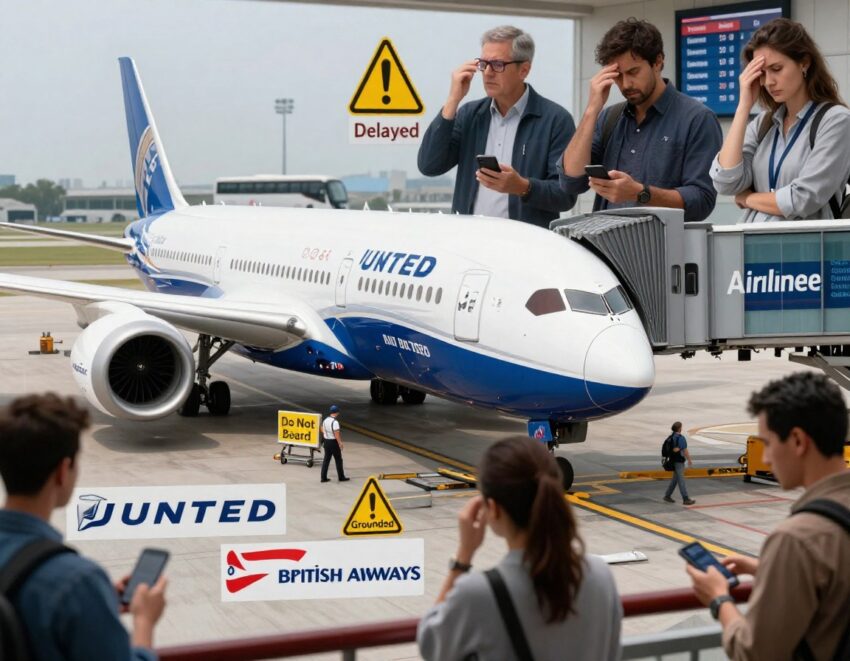
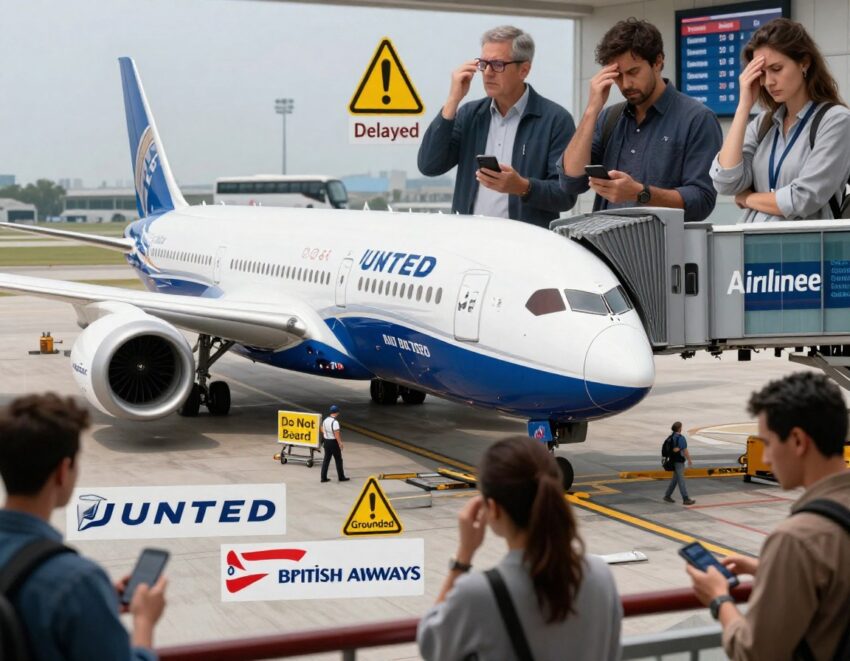
United Airlines, British Airways, and Air India are facing significant disruptions as Boeing’s 787 Dreamliner is grounded worldwide due to a critical fuel control issue, sending shockwaves through the global aviation industry. The defect, which causes the fuel control switch to fail and potentially jeopardizes engine operations, has led to increased scrutiny from aviation regulators and prompted airlines to take swift action, grounding fleets and adjusting flight schedules. For travelers, this technical setback could mean delays and cancellations on major international routes, particularly for long-haul flights that rely heavily on the 787’s efficiency and comfort. With airlines like United, British Airways, and Air India among the hardest hit, passengers booking flights to key destinations such as the United States, Europe, and Southeast Asia are left wondering about the fate of their upcoming trips. As the situation unfolds, the ripple effect stretches far beyond just air travel, impacting the tourism and hospitality sectors as well. Hotels, tour operators, and travel agencies are bracing for a potential surge in last-minute cancellations and booking changes, making it more crucial than ever for tourists to stay informed about these ongoing developments. Whether you’re a frequent flyer or planning your next big vacation, understanding the impact of Boeing’s latest crisis could be the key to navigating the storm.
United Airlines, British Airways, Air India, Delta, ANA, and Qatar Airways Face Groundings as Boeing’s 787 Dreamliner Fuel Issue Threatens to Disrupt Global Flights!
Boeing’s latest technical setbacks with the 787 Dreamliner have raised concerns in the aviation industry, as major airlines face potential groundings due to fuel control issues. Airlines like United Airlines, British Airways, Air India, Delta, ANA, and Qatar Airways are at the center of these disruptions, affecting both passengers and the broader tourism and hospitality sectors worldwide. With these complications mounting, travelers and tourists alike are facing new uncertainties as the global airline network adjusts to these developments.
As Boeing grapples with resolving these issues, passengers and travel industry stakeholders should stay informed about the potential consequences for their upcoming trips. The ripple effect of these technical challenges will not only influence flights but also have wider ramifications for hotel bookings, tourism destinations, and the overall travel experience. In this article, we explore how Boeing’s ongoing struggles with the Dreamliner’s fuel control system may impact travelers, and offer valuable insights on how the airline and hospitality industries are reacting.
Understanding Boeing’s 787 Dreamliner Issues
Boeing’s 787 Dreamliner has long been heralded as a technological marvel in the aviation industry, known for its fuel efficiency and passenger comfort. However, recent technical problems related to the aircraft’s fuel control system have cast a shadow over its performance. A critical defect has been identified in the fuel control switch, which can fail to remain latched in the “RUN” position during engine start, potentially leading to engine failures or interruptions in flight.
This issue has led to an increased level of scrutiny from aviation regulators, who have demanded detailed explanations and compliance from airlines operating these aircraft. The situation has prompted several airlines to ground their fleets of 787 Dreamliners until further inspections are completed or corrective actions are taken.
For airlines such as United Airlines, British Airways, Air India, Delta, ANA, and Qatar Airways, the grounding of their Dreamliner fleets is causing immediate operational challenges. These airlines operate hundreds of Boeing 787s across their international and long-haul routes, so the technical problems are not just an inconvenience – they could result in significant delays, cancellations, and alterations to flight schedules.
United Airlines, British Airways, Air India, Delta, ANA, and Qatar Airways Face Groundings
United Airlines, British Airways, Air India, Delta, ANA, and Qatar Airways are among the most impacted by Boeing’s Dreamliner issues. These major international carriers, known for their extensive global reach, are all facing disruptions due to the grounding of their 787s.
For United Airlines, the issue is especially challenging as the carrier operates the largest fleet of 787s in North America. The grounding of these aircraft could affect a significant portion of United’s international long-haul flights, especially routes between the United States and Europe, Asia, and the Middle East. As a result, travelers may face delays or the need to rebook on alternate flights operated by other aircraft types.
British Airways, another major player, is also feeling the weight of these operational disruptions. With flights from London Heathrow to destinations like New York, Dubai, and Sydney relying heavily on the Dreamliner, the grounding of these planes could lead to significant delays and a potential reshuffling of routes to accommodate other aircraft. British Airways is known for its premium offerings, and this technical problem threatens to shake consumer confidence, especially for first-class and business-class travelers who expect a higher standard of service and reliability.
Air India, which operates one of the largest fleets of Dreamliners in Asia, is facing a similar situation. Groundings of its 787s could impact key routes to and from India, such as flights to the United States, Europe, and Southeast Asia. For Air India, a major issue lies not only in operational delays but also in how the grounding affects its brand image, particularly as it positions itself as a world-class carrier.
Delta, ANA, and Qatar Airways are also grappling with these developments, with flight schedules affected across their global networks. Qatar Airways, a premium airline known for its exceptional service, relies on its fleet of 787s to serve both regional and international routes. With these aircraft grounded, the airline faces the difficult task of redistributing its fleet and managing customer expectations, especially during peak travel seasons.
The groundings and delays resulting from the fuel control defect are not just operational challenges for the airlines but also pose a broader issue for the aviation industry, especially as the tourism industry is highly dependent on reliable air travel.
How Will This Affect the Tourism and Hospitality Industry?
The airline disruptions caused by Boeing’s technical issues will have a far-reaching impact on the tourism and hospitality industries. The travel ecosystem is highly interconnected, and delays or cancellations from airlines like United, British Airways, Air India, and others directly affect hotel bookings, tour schedules, and the overall traveler experience.
For the tourism industry, these delays mean that visitors may miss key connections, resulting in lost vacation days or last-minute changes to travel itineraries. If flights are grounded, tourists may be forced to alter their travel plans, seeking alternative flights or changing their destination altogether. This can lead to frustration for travelers who have invested in expensive flights and hotel packages, especially for long-haul trips.
Hotel bookings, particularly those tied to major international airports and city hubs, will also be impacted. Many travelers who are stranded due to flight cancellations may need accommodation for an extra night or two, leading to increased demand at hotels near airports. While this can be a boon for some hotels, it can also create a logistical nightmare, particularly if the hotels are already operating at full capacity.
In addition, travel agents and tour operators may find themselves facing a flurry of requests to reschedule tours, book alternative flights, and handle unexpected disruptions. This could lead to a surge in customer service inquiries, putting pressure on customer support teams to manage complaints and provide swift resolutions.
Flight Details and Airline Responses to the Crisis
Airlines are taking proactive steps to mitigate the impact of these disruptions. United Airlines, British Airways, and other affected carriers are working closely with Boeing to assess the scope of the technical issues and ensure that their fleets remain safe and operational. Some airlines have even gone as far as temporarily suspending their 787 operations until corrective measures can be implemented.
For travelers concerned about their upcoming flights, it’s important to check flight status regularly. Airlines are typically good about providing updates on any changes to flight schedules, but customers should be prepared for possible delays or cancellations. If you’re booked on a Dreamliner-operated flight, it’s advisable to confirm with your airline whether the flight is still scheduled to operate or if an alternate aircraft will be used.
For those traveling to and from India, there are additional considerations. Air India’s domestic and international routes are critical to the country’s tourism industry, and the grounding of its Dreamliners could impact both inbound and outbound tourism. Travelers planning vacations or business trips to India should stay updated on any flight changes and remain flexible with their travel plans to avoid being caught off guard by last-minute adjustments.
Tips for Travelers Affected by the Groundings
- Stay Informed – Always check your flight status on the airline’s official website or app. Most airlines provide real-time updates on any delays or cancellations.
- Consider Alternative Routes – If your flight is affected, see if you can be rebooked on a different aircraft or route. Some airlines may offer free rebooking options for affected passengers.
- Book Travel Insurance – If you haven’t already, consider purchasing travel insurance that covers flight cancellations or delays. This can help mitigate the financial impact of disruptions.
- Prepare for Overnight Stays – If your flight is delayed and you’re stuck overnight, make sure you have a backup plan for accommodation. Many airports have hotels nearby, but these can fill up quickly during busy travel periods.
- Stay Calm and Patient – Understand that the airline and airport staff are working hard to manage the situation. Being patient and polite can go a long way in getting assistance quickly.
Tourism Impact: What Travelers Need to Know
For international tourists traveling to destinations like the United States, the United Kingdom, India, and the Middle East, staying updated on Boeing’s technical issues is crucial. These issues are unlikely to last long-term, but travelers should be prepared for short-term disruptions. If you have plans to visit major tourist destinations such as London, New York, or Dubai, ensure that your flight details are confirmed, and consider adjusting your travel dates if necessary.
In the longer term, the tourism industry will likely bounce back from these disruptions, especially as Boeing resolves its technical issues and airlines return to full service. The demand for international travel is still strong, particularly as destinations reopen and more people begin to travel again post-pandemic. However, understanding how technical issues like these can affect your travel experience is vital for staying prepared.
Final Thoughts: Navigating the Storm
While Boeing’s technical issues with the 787 Dreamliner have caused temporary disruptions in the global aviation industry, the long-term outlook remains positive. Airlines are working hard to address the challenges, and the tourism industry remains resilient. However, travelers should stay informed, flexible, and prepared to adjust their travel plans as needed.
The hospitality industry is closely monitoring the situation, especially for tourists affected by unexpected cancellations or delays. By staying proactive and informed, travelers can still enjoy a smooth and enjoyable journey, despite the hurdles posed by these technical issues. As always, the best approach is to plan ahead, stay connected with airlines for updates, and have backup solutions in place for any unforeseen disruptions.
United Airlines, British Airways, and Air India are facing major disruptions as Boeing’s 787 Dreamliner is grounded due to a critical fuel control issue. This setback threatens global flight schedules, leaving travelers and the tourism industry bracing for impact.
In conclusion, while the latest Boeing setbacks are certainly significant, they should not deter you from planning your next adventure. Stay informed, stay flexible, and remember that the world is still waiting for you to explore.
The post United Airlines, British Airways, Air India, Delta, ANA, and Qatar Airways Face Groundings as Boeing’s 787 Dreamliner Fuel Issue Threatens to Disrupt Global Flights! appeared first on Travel And Tour World.
