
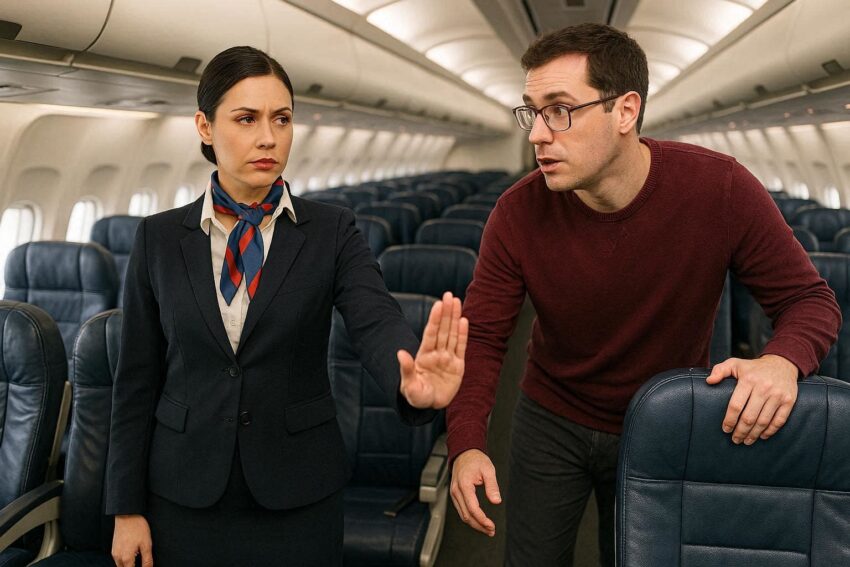
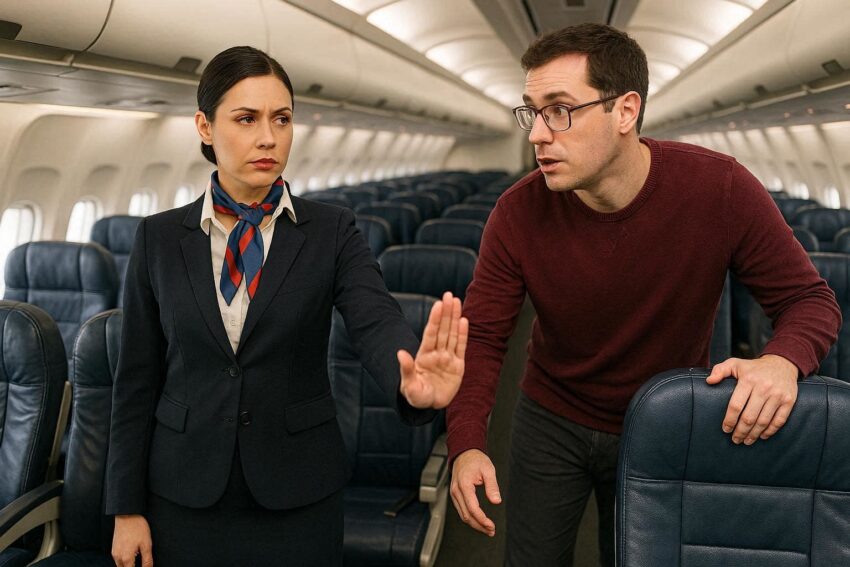
Southwest Airlines has made a significant shift in its seating policy, one that has raised eyebrows and stirred frustration among passengers. For decades, the airline was known for its open seating system, where passengers boarded and chose their seats based on availability. However, this long-standing tradition has recently been replaced by assigned seating, a move that is not without controversy. The airline’s decision to strictly enforce seat assignments—preventing passengers from switching seats—even on nearly empty flights, has sparked confusion and dissatisfaction. The new rule came into effect around four weeks ago and has fundamentally altered the way Southwest operates. While many passengers have been accustomed to the flexibility of free seating, the current system’s rigidity is now the focus of much debate.
Southwest’s Transition from Open to Assigned Seating
For years, Southwest Airlines stood out among U.S. carriers for its unique open seating policy. Passengers boarded in groups and freely chose their seats once on board, with no formal seat reservations. This flexibility was especially appreciated on less crowded flights, where passengers would often spread out across empty rows for greater comfort. However, with the implementation of assigned seating, Southwest has made a marked change in how they handle cabin management. The airline’s decision to eliminate its open seating practice has brought about a strict enforcement of assigned seats, even in cases where multiple empty seats are available.
Strict Enforcement of Seat Assignments, Even on Lightly Booked Flights
A key component of Southwest’s new policy has been its refusal to allow seat switching, even when flights are only partially booked. This has become evident on multiple flights, including one recent journey from Phoenix Sky Harbor International Airport (PHX) to St. Louis Lambert International Airport (STL), where passengers were reportedly prevented from moving to vacant rows, despite the flight carrying only 26 passengers. On this flight, six customers were instructed to stay seated in the same row, with flight attendants issuing three separate announcements to reinforce the policy.
Passengers on this flight voiced their frustration over the new restrictions. Even simple seat changes, such as moving from a middle seat to an adjacent window seat within the same row, were reportedly prohibited. Additionally, passengers traveling with infants were not allowed to occupy empty seats to use as a lap for their child. These events underscore how strictly Southwest is enforcing its new seating rules, despite the apparent lack of necessity in light of the empty spaces available.
The Discomfort of Passengers of Size
Southwest’s new seat policy has also raised concerns about passenger comfort, particularly for those seated next to individuals who require more space. Under the airline’s previous Customer of Size policy, passengers who needed additional seating due to body size were allowed to purchase an extra seat, which could be refunded if the flight was not full. However, the recent policy change has made it more difficult for passengers who find their seat space compromised due to the presence of a “customer of size” next to them. In the past, they could simply relocate to an empty seat nearby. But now, Southwest’s strict seat assignment rule prevents this flexibility, leaving some passengers with less-than-ideal seating arrangements.
This issue has led to perceptions of unfairness, as passengers who feel their assigned seat is unusable due to encroachment from a neighboring passenger may feel they are not receiving the full value of the seat they paid for. Given that there are empty seats available, many argue that it would be fairer to allow them to move, but Southwest’s enforcement policy does not make room for such accommodations.
The Revenue Focus Behind the Policy
Southwest’s transition from an open seating model to a more rigid, assigned seating approach is likely motivated by a combination of operational efficiency and revenue protection strategies. By assigning seats in advance, the airline can better manage seat availability and ensure that all seats are sold at the correct pricing tiers. This system allows Southwest to implement revenue segmentation, maximizing its income through ancillary services, including extra fees for early check-in and seat selection.
The strict enforcement of this seating policy prevents passengers from moving to unassigned seats, a move that might undermine Southwest’s efforts to sell premium and paid seats. It also protects the integrity of paid seat products, preventing passengers from seeking an upgrade or occupying seats they did not pay for. In a competitive airline market, these measures are part of a broader strategy to increase operational efficiency and drive profitability.
The Influence of Investor Pressure on Southwest’s Strategy
Southwest Airlines’ decision to implement and strictly enforce assigned seating is also likely influenced by external pressures, particularly from its investors. The airline has faced scrutiny over its operational direction, particularly with regard to its seating policies and pricing strategies. The introduction of a more rigid seating model may be an attempt to respond to investor demands for stronger revenue protection measures, which has led the airline to reconsider its long-standing flexibility in favor of more structured operations.
While some observers believe that Southwest could soften its stance on seat assignments in the future, the airline’s focus on consistency and adherence to its new policies suggests that it is taking a more conservative approach to managing its operations. Given the airline’s previously stellar reputation for customer service and flexibility, this shift may indicate an ongoing adjustment in its brand identity.
The Road Ahead: Will Southwest Reconsider Its Policy?
As Southwest Airlines continues to enforce its assigned seating rules, questions remain about whether the airline will continue to take a strict approach or ease up in response to passenger backlash. If the airline chooses to keep the policy in place, it will be crucial for Southwest to balance its revenue needs with passenger comfort and expectations. The shift from open seating to assigned seating has certainly changed the dynamics of flying with Southwest, but only time will tell if the airline will adapt its practices to remain competitive and maintain customer loyalty.
The post United States: Southwest Airlines Enforces Strict Seat Assignments, Banning Seat Switching Even on Nearly Empty Flights appeared first on Travel And Tour World.
