
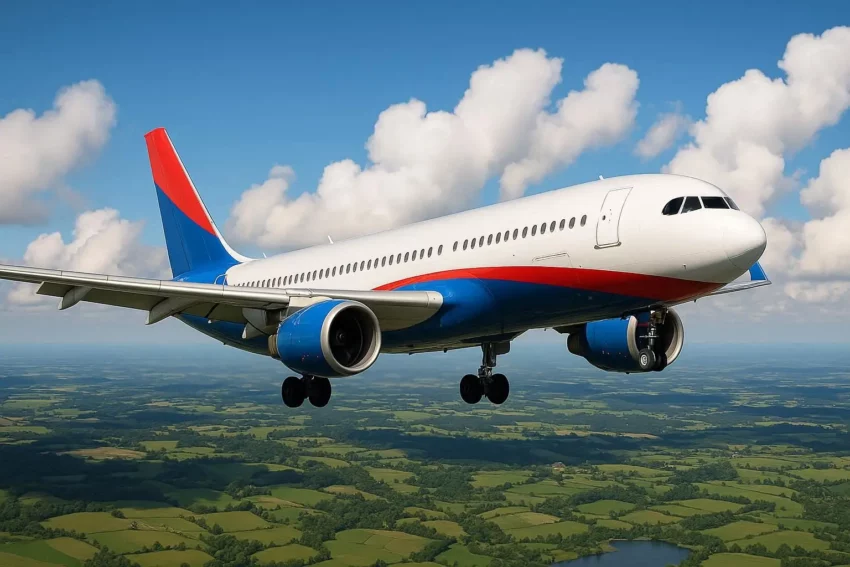

In the evolving landscape of premium air travel across the United States, a new development has been highlighted on flagship transcontinental routes operated by American Airlines. Passengers traveling between New York and Los Angeles have recently been notified of a temporary limitation affecting the highly anticipated Airbus A321XLR aircraft. While the aircraft represents a major step forward in comfort and efficiency for long-range narrowbody operations, one specific feature within the Flagship Suite experience is currently unavailable due to ongoing regulatory processes. As part of a proactive customer engagement approach, compensation in the form of loyalty rewards has been extended to affected travelers. This situation reflects the complexities involved in introducing next-generation aircraft into commercial service while maintaining strict safety and certification standards in the United States and beyond. At the same time, the aircraft continues to play a significant role in American Airlines’ broader travel and tourism strategy, connecting major US cities and preparing for future international expansion to destinations in the United Kingdom and continental Europe. The development underscores how airlines balance innovation, passenger expectations, and regulatory compliance in modern aviation.
Early Notification to Premium Travelers
It has been confirmed that American Airlines has begun directly informing business class passengers booked on select Airbus A321XLR flights that a design feature of the Flagship Suite is not yet fully operational. Specifically, the privacy suite doors installed on these aircraft remain fixed in an open position. This condition exists because the doors are still undergoing the final stages of FAA certification within the United States regulatory framework.
Affected travelers on premium transcontinental routes, particularly between New York JFK and Los Angeles LAX, have been notified in advance of departure. As a goodwill gesture, 5,000 AAdvantage miles have been credited to eligible passengers. This approach has been positioned as a proactive measure designed to preserve transparency and maintain trust among frequent flyers and premium travelers.
Understanding the Suite Door Limitation
The Flagship Suite on the Airbus A321XLR was designed to deliver a semi-enclosed business class experience comparable to widebody international cabins. However, due to certification requirements set by aviation authorities in the United States, the suite door mechanism has not yet received final approval for operational use. Until certification is completed, the doors remain installed but cannot be closed during flight.
While the limitation does not impact safety or seat functionality, it alters the intended level of privacy. From a travel and tourism perspective, this represents a temporary compromise as the airline continues to align innovative cabin features with regulatory oversight.
Inflight Service Adjustments and Screen Design
In addition to the suite door issue, another operational consideration has been identified within the business class cabin. The entertainment screens installed in the Collins Aerospace Aurora seats extend outward into the aisle when fully deployed. During meal and beverage service, this configuration can interfere with the safe movement of cabin crew.
As a result, flight attendants are required to request that passengers stow their screens during service. This policy has been implemented to ensure smooth aisle access and safe tray delivery. While passengers may continue viewing content at an angle, the experience is somewhat altered compared with unrestricted use. This procedural adjustment highlights how cabin design innovations can create new service challenges on long-haul narrowbody aircraft.
Cabin Design and Passenger Experience
The Airbus A321XLR operated by American Airlines accommodates 155 passengers and has been optimized for long-range missions. The business class cabin features 20 lie-flat seats arranged in a 1-1 herringbone configuration, offering direct aisle access to every passenger. Seats are angled away from the windows, positioning the passenger’s back closer to the fuselage and maximizing usable space.
Despite the narrowbody footprint, the Flagship Suite delivers several premium enhancements, including additional storage, Bluetooth connectivity, and wireless charging. However, space constraints inherent to single-aisle aircraft make the cabin feel more compact than widebody equivalents. Even so, the aircraft represents a significant evolution in premium domestic travel within the United States.
Premium Economy Enhancements
Beyond business class, the A321XLR introduces notable improvements to premium economy seating. This cabin has been positioned as a meaningful upgrade for long-distance travelers seeking comfort without full business class fares. Features include calf and footrests, enhanced headrests, wireless charging, and a refined interior aesthetic designed for extended flights.
From a travel and tourism standpoint, these upgrades strengthen American Airlines’ appeal on routes connecting major US cities and support the airline’s strategy of offering differentiated products across cabin classes.
Main Cabin Configuration
The main cabin reflects updated styling consistent with American Airlines’ modern fleet. However, legroom remains limited in standard rows, with bulkhead and exit rows offering the most spacious options. Certain seats, such as those in Row 25, lack window access, which may influence seat selection preferences among leisure travelers.
Compared with the retired A321T, which previously operated premium transcontinental services, the A321XLR features reduced seat pitch in standard economy and fewer preferred seating options. These changes illustrate a trade-off between increased range capability and cabin density.
Lavatory Distribution and Practical Considerations
The aircraft includes one lavatory dedicated to business class passengers, while premium economy travelers share three aft lavatories with the main cabin. All facilities follow the compact design typical of domestic narrowbody aircraft. While functional, these arrangements reinforce the differences between narrowbody and widebody long-haul experiences, even on premium routes within the United States.
Route Deployment and International Outlook
The Airbus A321XLR was first deployed on the high-profile New York JFK to Los Angeles LAX route, a cornerstone of premium domestic travel in the United States. Future deployments include routes from New York to San Francisco, New York to Orange County, and Boston to Los Angeles, gradually replacing the aging A321T fleet.
Looking beyond domestic operations, American Airlines has announced plans to introduce the aircraft on transatlantic services. The first such route will connect New York JFK with Edinburgh in the United Kingdom, followed by services to secondary cities across France, Germany, Spain, and other parts of the United Kingdom. Additional long-haul routes from Miami and Dallas to South American destinations are also planned, reinforcing the aircraft’s role in international travel and tourism growth.
Aircraft Features at a Glance
The Airbus A321XLR operated by American Airlines includes 20 Flagship Suite business class seats, 12 premium economy seats, and 123 main cabin seats. All passengers benefit from seatback entertainment and high-speed Wi-Fi. On the inaugural JFK to LAX service, select passengers received commemorative gift bags marking the debut of the aircraft.
The temporary suite door limitation on the Airbus A321XLR reflects the realities of introducing cutting-edge aircraft into commercial service under stringent regulatory oversight in the United States. Through early communication and goodwill compensation, American Airlines has demonstrated a commitment to passenger transparency while continuing to advance its premium travel offerings. As certification progresses and international routes expand to destinations in the United Kingdom and Europe, the aircraft is expected to play a pivotal role in shaping the future of long-range narrowbody travel and tourism.
The post United States Travel Update: American Airlines Addresses Airbus A321XLR Flagship Suite Door Limitation on Premium Transcontinental Routes appeared first on Travel And Tour World.
