
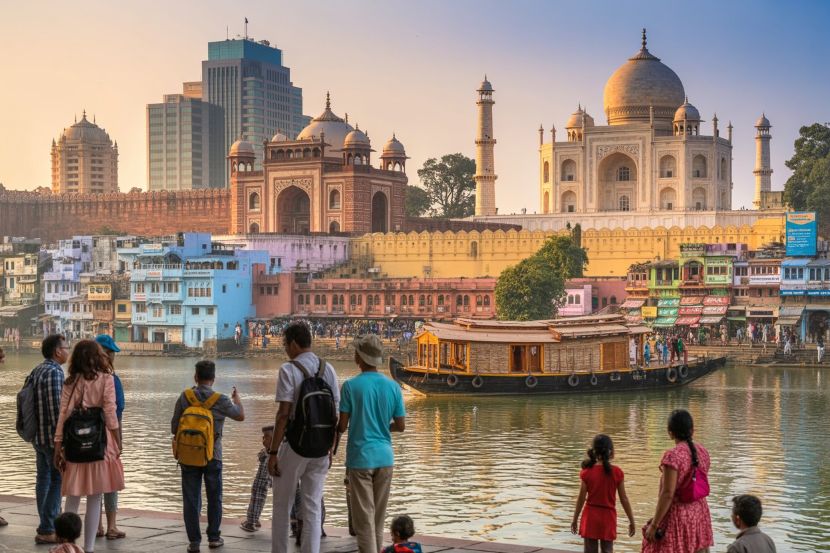

India’s tourism sector is poised for remarkable growth in 2026, as both domestic and international travel rise across the country. With increasing global confidence in travel, the government has actively supported policies and campaigns to foster economic and social benefits for all regions. According to recent data from the Ministry of Tourism, domestic tourism continues to provide a solid foundation for the industry, while international arrivals are expected to see a sharp increase, reflecting global travel recovery trends. As India moves into 2026, there is a strong sense of optimism, backed by innovative strategies, sustainable tourism growth, and the booming sector of niche experiences.
In a recent report by the United Nations World Tourism Organization (UNWTO), global travel has been growing steadily, with an increase of 3-4% in international arrivals forecasted for the year. India, already one of the world’s most visited countries, is expected to benefit significantly from this rise in global tourism. Various regions are seeing increasing numbers of international tourists, as travellers seek culturally rich destinations offering both heritage and adventure. With the government’s emphasis on improving infrastructure and launching unique tourism circuits, India stands out as a top destination for 2026.
One of the key strategies driving India’s tourism growth is the Swadesh Darshan Scheme, which focuses on the development of tourism circuits that highlight the country’s rich cultural, historical, and spiritual heritage. This initiative not only supports local economies but also creates sustainable, job-generating tourism models. It has led to the creation of multiple thematic travel routes that connect rural areas with urban hubs, promoting off-the-beaten-path destinations. According to Ministry of Tourism reports, these routes have seen a significant rise in footfalls, especially in lesser-known areas like North East India, which have immense untapped potential. As tourism spreads beyond major cities like Delhi, Mumbai, and Bengaluru, it ensures that the economic benefits of travel are more evenly distributed across the country.
Additionally, adventure tourism has seen a marked rise. States like Himachal Pradesh, Uttarakhand, and Ladakh have become hubs for travellers looking to explore the country’s natural beauty through trekking, rafting, and wildlife safaris. For instance, the Great Himalayan National Park in Himachal Pradesh was recently designated as a UNESCO World Heritage Site, attracting eco-tourists and nature lovers from all over the world. Similarly, Kerala’s backwaters and Goa’s vibrant coastal life continue to allure both domestic and foreign tourists, contributing to India’s growing reputation as a year-round destination for diverse travel experiences.
In a bid to enhance the overall travel experience, the government has also introduced initiatives to improve visitor facilities and transportation. From boosting airport capacities to upgrading the railway network, these improvements are expected to ease the travel process and provide smoother experiences for both domestic and international visitors. The recent upgrades to major airports, like Indira Gandhi International Airport in Delhi and Chhatrapati Shivaji Maharaj International Airport in Mumbai, are part of India’s strategy to strengthen its position as a global tourism hub. These upgrades will not only cater to increased passenger traffic but will also improve accessibility for business and leisure travellers alike.
States such as Rajasthan, Tamil Nadu, and Uttar Pradesh are focusing on attracting heritage tourism. With a wealth of historic landmarks, temples, and forts, these regions are offering immersive experiences that highlight India’s ancient traditions and craftsmanship. Rajasthan’s forts and palaces, such as the Amber Fort and City Palace in Udaipur, continue to draw thousands of tourists annually, creating a substantial impact on the state’s tourism revenue. Rajasthan’s commitment to improving its hospitality sector, alongside unique offerings like desert safaris and cultural festivals, are helping to drive its tourism sector.
However, it’s not only traditional experiences that are attracting tourists. India’s vibrant festival calendar continues to be a major draw for both domestic and international visitors. The Pushkar Camel Fair in Rajasthan, Durga Puja in Kolkata, and Diwali celebrations across the country are significant events that see an influx of tourists seeking cultural experiences and opportunities for engagement with local communities. These festivals also offer a platform for showcasing local crafts, regional cuisine, and traditions, making them an attractive proposition for global tourists.
Sustainability has also become a central focus for India’s tourism strategies. The growth of eco-tourism and sustainable travel initiatives are gaining momentum, especially as India seeks to position itself as a responsible tourist destination. For example, the Kaziranga National Park in Assam has been promoting its eco-tourism initiatives, which include nature trails and wildlife safaris that minimize environmental impact while offering visitors a glimpse of India’s incredible biodiversity.
India’s tourism industry in 2026 is being shaped by a blend of cultural exploration, adventure tourism, and sustainability. As the world continues to recover from the challenges of recent years, India remains a top contender in the global tourism arena. The country’s government, alongside regional stakeholders, is committed to further strengthening this sector by enhancing infrastructure, improving accessibility, and offering unique travel experiences.
Looking ahead, India’s tourism sector has the potential to make significant contributions to the economy, with lasting benefits for local communities and businesses. The industry is well-positioned to capitalize on the growing interest in diverse travel experiences, creating a dynamic and thriving environment for both tourists and industry players. With the ongoing support from both government and private sectors, 2026 promises to be a year of exceptional growth for India’s tourism industry.
India’s tourism outlook for 2026 is incredibly promising, as the industry adapts to the changing dynamics of global travel. Through targeted initiatives and a focus on sustainable, inclusive growth, India continues to enhance its position as a premier travel destination. The country is ready to captivate tourists from around the world with its rich history, vibrant culture, and diverse landscapes, all while ensuring that the benefits of tourism reach every corner of the nation.
The post Unstoppable Growth: India’s Tourism 2026 Will Surpass All Expectations, Leaving Other Nations Behind! appeared first on Travel And Tour World.
