
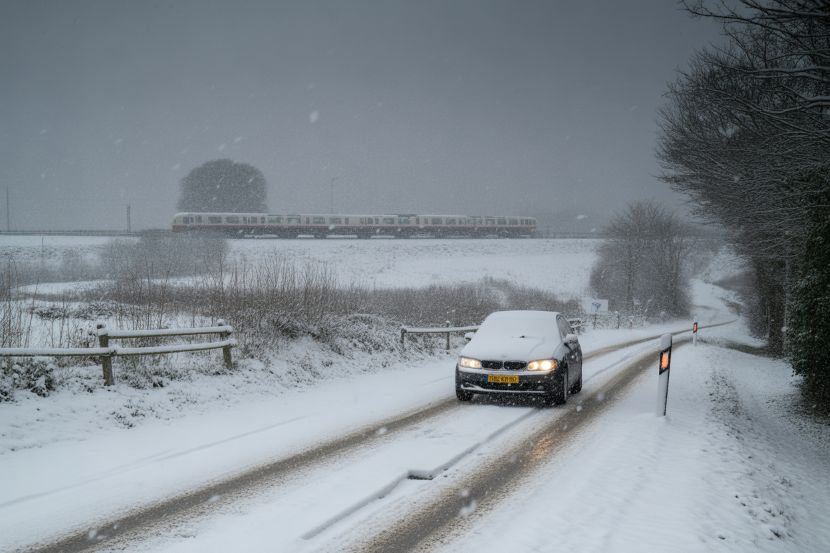

Travellers across the United Kingdom are facing travel disruption as the Met Office has issued a critical snow warning for parts of Wales, England, Scotland and Northern Ireland. The alert, activated in the early hours of Sunday morning, forecasts significant snowfall that could affect journeys, tourism activities and local services throughout the day. For tourists exploring iconic destinations such as Snowdonia, the Lake District, the Scottish Highlands or Irish Sea coastal towns, and for business travellers moving between cities, preparations and awareness are now essential to stay safe and minimise delays during this period of severe winter weather.
Snow and icy conditions are expected to present challenging travel environments, with public transport and road networks likely to experience interruptions. Understanding the alert levels and practical precautions will help visitors and commuters navigate the impact on journeys and ensure safety remains the highest priority.
Met Office Issues Critical Snow Alert Across UK Regions
The UK’s national weather service, the Met Office, raised a yellow warning — its most common alert level — early on Sunday as heavy snowfall was anticipated to develop swiftly overnight and persist into the morning. The advisory covers wide swathes of the country, from western Wales and northwest England to parts of Scotland and Northern Ireland. Yellow warnings indicate that weather conditions can disrupt daily routines, cause travel delays, and necessitate caution, although they do not represent the most severe level of threat. Higher levels — amber and red alerts — are reserved for more extreme and dangerous conditions.
The alert was timed to align with the expected onset of snow showers across Wales in the early hours, gradually tracking eastwards. Snow accumulations of several centimetres in a short period may lead to slippery surfaces and reduced visibility. In some areas, even deeper drifts could develop, particularly in upland or rural regions known for more intense winter weather.
Forecasters emphasise that while the warning does not automatically signal life‑threatening weather, it should prompt both residents and visitors to adjust travel plans and prepare for slower, more cautious journeys across affected regions.
What This Means for Tourists and Leisure Travel
For holidaymakers and short‑break visitors in the UK during this snow alert, the weather presents both opportunity and challenge. Snow falling across iconic landscapes can turn a routine sightseeing walk into a picturesque winter scene, making destinations like Snowdonia National Park, the Peak District, or Edinburgh’s historic centre especially atmospheric. However, snow can also affect access to attractions, close visitor facilities, and lead to the temporary suspension of outdoor experiences if conditions become hazardous.
Tour companies and visitor centres are expected to update opening times and availability based on real‑time conditions. Travellers planning winter walks, coastal rambles or castle tours should check local notices and weather updates before setting out. In seaside towns, promenades may become slippery, and coastal winds combined with snow can increase discomfort for outdoor exploration.
For those already in transit, rail services, coach routes and airport operations may experience delays or cancellations. Tourist itineraries that rely on tight connections between attractions, especially in more rural areas, may need flexible alternatives.
Impact on Business Travel and Daily Commuters
Business travellers are equally affected by the snow warning. Meetings, conferences and corporate events scheduled for Sunday or the coming days may require rescheduling or virtual alternatives. Road travel between major UK cities — for example between Manchester, Birmingham, Glasgow and London — can be slower, while airport transfers could face delays due to de‑icing procedures, runway conditions and reduced visibility.
Companies with staff travelling for work are advised to build contingency time into travel plans, communicate closely with transport providers and leverage remote meeting technology where feasible. Employers are increasingly recommending staff verify transport schedules before departure and consider flexible working options to reduce risk during peak snow periods.
How Weather Warnings Work and Why They Matter
The Met Office categorises weather warnings into three standard levels: yellow, amber, and red. A yellow warning, like the current one in force, means that travel — including walking, driving, rail and air connections — can be affected and that people should be aware of changing weather conditions. Amber warnings indicate more significant disruption and potential danger to life and property, while red warnings denote severe weather with highly dangerous conditions.
Understanding these levels helps travellers make informed decisions. Yellow is a prompt to plan ahead, check conditions regularly and adjust travel schedules if necessary. Amber and red warnings require stronger action, such as reconsidering travel entirely or staying in place until conditions improve.
Essential Safety and Travel Tips for Snowy Conditions
Winter weather in the UK can change quickly, particularly across higher ground or coastal regions. Tourists and business travellers should adopt a prepared approach:
1. Plan Ahead:
Confirm travel services — trains, buses, ferries and flights — well in advance. Check for service alerts before departure.
2. Dress for the Weather:
Wear warm, layered clothing, waterproof boots with good grip, and carry extra gloves, hats and scarves in case temperatures plunge.
3. Carry Essentials:
If travelling by car, equip the vehicle with basics such as a blanket, warm clothing, food, water, a torch, ice scraper and phone charger.
4. Allow Extra Time:
Snow and ice slow journeys. Allow additional time for road and public transport travel to avoid stress and rushing, which increases the risk of slips and accidents.
5. Stay Informed:
Monitor weather updates and forecast changes through official channels. Conditions can shift rapidly, and snow warnings may be updated or extended.
Additional Considerations for Travellers
Snow in the UK can be beautiful but also disruptive. Tourists planning outdoor activities should balance the allure of winter scenery with safety. Some walking routes, mountain passes and rural lanes may be temporarily inaccessible or closed by local authorities if conditions deteriorate.
Winter tourism services, including hotels and attractions, often provide local guidance on safe routes and mobility options during snow events. Visitor information centres can offer current advice on walking conditions, public transport status and alternative plans if weather interferes with intended excursions.
Key Points at a Glance
- A critical snow warning from the Met Office covers Wales, England, Scotland and Northern Ireland.
- The yellow alert signals possible travel disruption and slippery conditions.
- Tourists may experience delays or adjustments to sightseeing and outdoor plans.
- Business travellers are advised to schedule flexibly and consider remote work options.
- Preparation and real‑time information are essential to ensure safety.
Disclaimer: The Attached Image in This Article is AI Generated
The post Wales Snowstorm Disruption January 2026: Met Office Issues Urgent Travel Warning for Tourists and Commuters appeared first on Travel And Tour World.
