
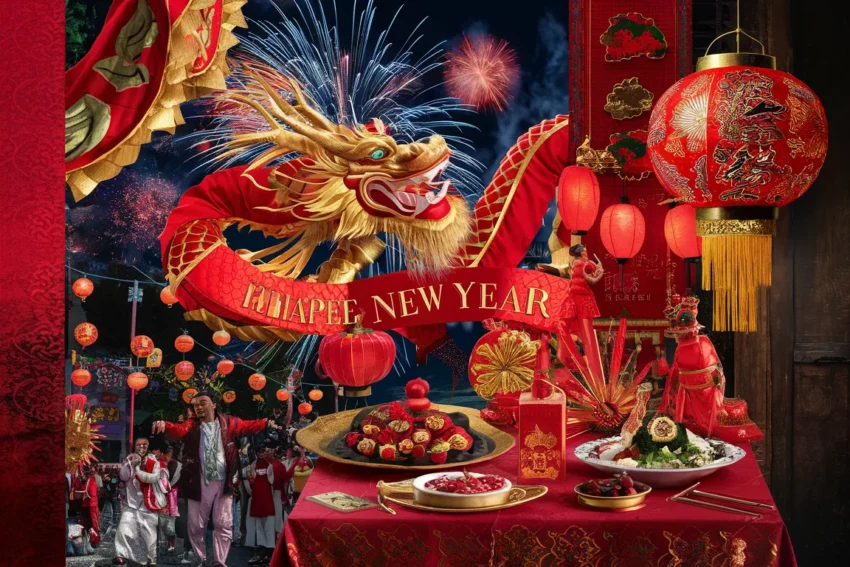
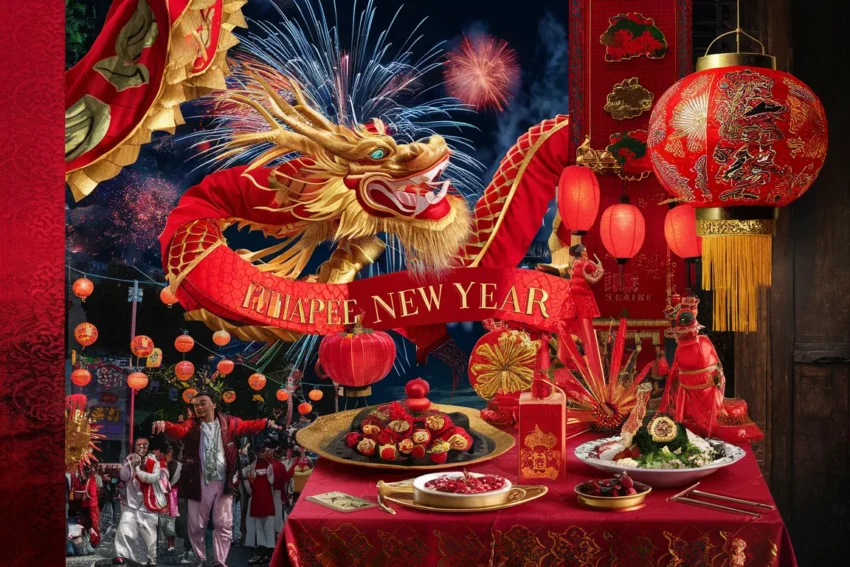
Recently, a prominent Chinese New Year cultural celebration that enthralled local audiences enhanced Southern California’s already dynamic cultural scene. A specific tourism promotion event at Newport Beach on February 28, 2026, acted as a link between American tourists and the East’s seasonal treasures. The campaign, Chinese New Year: Discover Winter China, was purposefully created to highlight both the deeply ingrained traditions of the traditional Spring Festival culture and China’s winter tourism destinations. The showcase, which was organized by the China National Tourist Office in Los Angeles, effectively converted a top shopping destination into an immersive center of exploration. By highlighting the Harbin Ice and Snow World and the highly accessible China’s 240-hour visa-free transit policy, officials aimed to stimulate a renewed interest in trans-Pacific travel during the colder months.
Hidden Traditions Revealed: Why Everyone is Talking About This Fashion Island Takeover!
The coastal elegance of Fashion Island in Newport Beach was temporarily eclipsed by the crimson and gold hues of the Lunar New Year. The public was invited to engage with a multifaceted cultural showcase that went far beyond mere decoration. Intangible cultural heritage items were presented with meticulous detail, allowing visitors to witness the artistry of traditional calligraphy, paper cutting, and the intricate symbolism of lantern displays. These elements were curated to provide a sensory introduction to the Spring Festival, which is recognized as the most significant annual event for billions of people globally.
It was observed that the choice of an upscale open-air shopping center was intentional, targeting a demographic of travelers who seek unique and authentic international experiences. Interactive stations were established where families could participate in traditional customs, such as bracelet making and festive photo opportunities. These activities were designed to foster a deeper cultural understanding, moving past superficial observations to allow a genuine connection with the heritage of the Chinese people. The atmosphere was described by attendees as a vibrant blend of historical reverence and modern tourism marketing, successfully bringing the spirit of a distant celebration to the heart of Orange County.
From Frozen Castles to Fast Trains: The Winter Secrets You Need to See!
A major component of the event was the vivid promotion of China’s northern regions, which undergo a dramatic transformation during the winter season. Extensive visual displays and informational exhibits were utilized to highlight the Harbin International Ice and Snow Sculpture Festival. Known as the world’s largest theme park of its kind, the Harbin Ice and Snow World was presented as a pinnacle of seasonal travel, featuring massive ice architectures illuminated by state-of-the-art 3D mapping and light shows.
Beyond the ice festivals, the tourism showcase introduced audiences to the Mudanjiang-Jiamusi High-Speed Railway. This easternmost high-speed rail line allows travelers to traverse the frozen expanses of Heilongjiang Province with unprecedented speed and comfort. This focus on “snow and ice plus” tourism intended to illustrate that China is a year-round destination with a sophisticated infrastructure capable of supporting diverse travel interests. From the snow-draped sections of the Great Wall to the world-class ski resorts in Xinjiang and Hebei, the diversity of the Chinese winter landscape was positioned as a compelling alternative to traditional European or North American winter vacations.
Visa-Free Victory: How You Can Now Explore China for 10 Days Without a Visa!
In a move to lower the barriers to international entry, Chinese officials at the event placed a significant emphasis on the recently optimized 240-hour visa-free transit policy. This regulation, which took effect for 55 eligible countries including the United States, allows travelers to stay in China for up to ten days without a formal visa, provided they are in transit to a third destination. This policy is applicable at 65 ports of entry across 24 provincial-level regions, offering a level of flexibility that was previously unavailable to the casual tourist.
Table showing key features of the 240-hour visa-free transit policy:
| Feature | Details |
| Duration of Stay | Up to 240 hours (10 full days) |
| Eligible Nations | 55 countries, including USA, Canada, and UK |
| Number of Entry Ports | 65 international airports, seaports, and rail stations |
| Travel Range | 24 provinces and municipalities, including Beijing and Shanghai |
| Key Requirement | A confirmed onward ticket to a third country or region |
This simplified entry procedure was characterized by Wu Dawei, the director of the China National Tourist Office in Los Angeles, as a significant step in facilitating people-to-people exchanges. By removing the administrative hurdle of a traditional visa application for short-term visits, the Chinese government hopes to encourage “stopover tourism” where Americans might spend a week exploring the ice festivals of the north or the culinary delights of the south before continuing their journey across Asia or Oceania.
Hot Pots and Lanterns: The Delicious Truth About Winter in the East!
The cultural narrative of the event was further extended into the realm of seasonal gastronomy. It was highlighted that winter in China is synonymous with specific culinary traditions that offer comfort during the colder months. Emphasis was placed on the role of hot pot cuisine, which serves not only as a meal but as a social ritual during the Spring Festival. Visitors were educated on how different regions—from the spicy broths of Sichuan to the savory mutton pots of Beijing—reflect the geographical and cultural diversity of the nation.
Additionally, the transition from the Spring Festival to the Lantern Festival was discussed as a period of continued celebration and culinary specialty. The symbolic importance of tangyuan (sweet rice balls) was explained as a representation of family unity and wholeness. By integrating these sensory details into the tourism promotion, the organizers were able to present a holistic view of the travel experience. It was argued that the true appeal of a winter trip to China lies in the intersection of breathtaking physical landscapes and the warmth of ancient, living traditions that have survived for millennia.
The New Era of Travel: Why 2026 is the Year to Cross the Pacific!
As the Lunar New Year of the Horse draws to a close, the momentum generated by the Newport Beach event is expected to influence travel trends throughout the 2026 calendar year. The long-term vision articulated by the China National Tourist Office involves moving beyond the “one-off” festival and establishing China as a multifaceted, permanent fixture on the American travel itinerary. The success of the “Discover Winter China” showcase serves as a testament to the power of localized, strategic engagement in rebuilding international tourism ties.
The feedback from the Southern California community indicated a high level of curiosity and a willingness to explore lesser-known seasonal offerings. Through a combination of cultural immersion, updated travel incentives, and the showcasing of world-class winter facilities, the event successfully challenged the notion that China is only a destination for the spring or autumn. With the 240-hour visa-free policy acting as a catalyst, the path has been cleared for a new generation of American adventurers to experience the “magic and discovery” of a Chinese winter firsthand.
The post Winter Travel to China Is Suddenly Trending: Would You Book the Trip? appeared first on Travel And Tour World.
