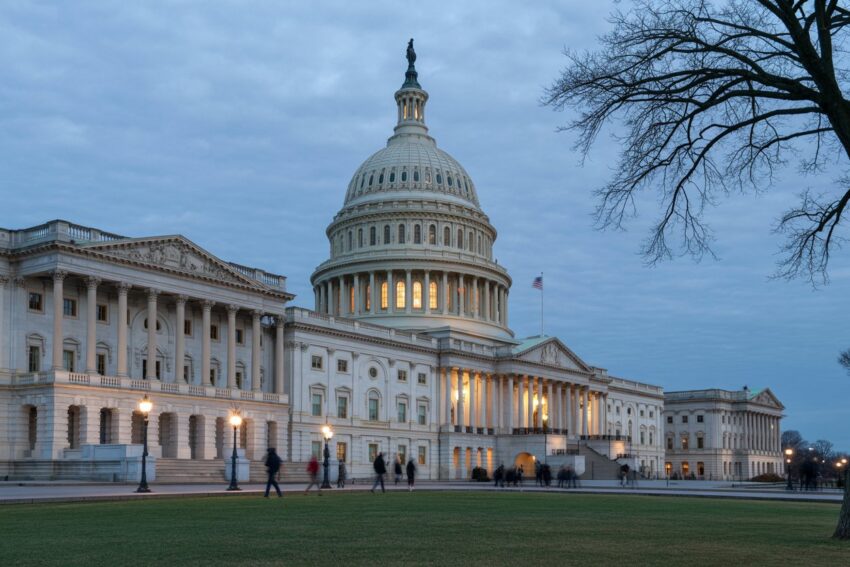
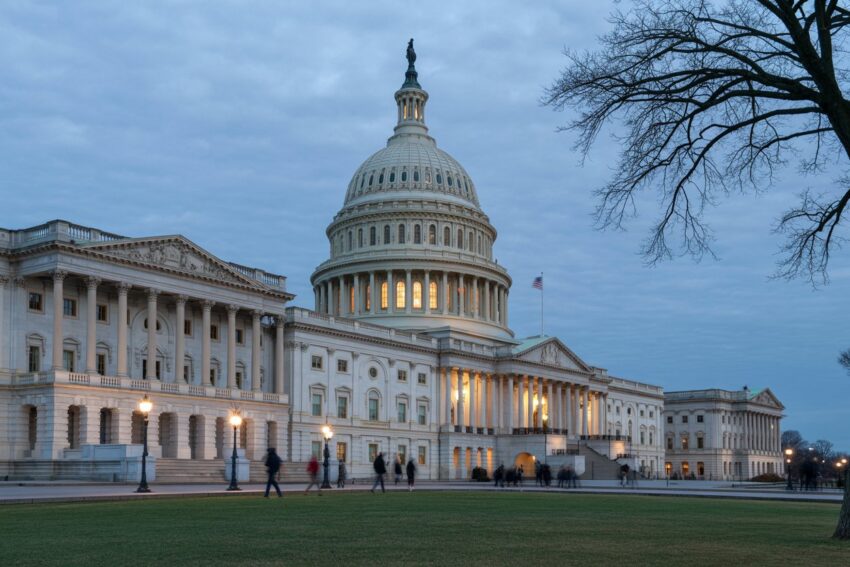
In the first month of 2026, Zimbabwe joined Nigeria, Zambia, Mali, Congo, Chad, Burkina Faso, and other countries in facing severe tourism challenges due to the U.S. travel ban imposed under Proclamation 10998. The new restrictions, which include visa suspensions and increased financial scrutiny, have significantly disrupted tourism flows between these countries and the U.S. The travel bans, which range from partial suspensions to full bans, have left many travelers unable to obtain visas for tourism, business, or education purposes. In particular, Zimbabwe is grappling with the suspension of routine visa operations and the halt of F-1 student visas for the 2026 academic year. This shift has caused widespread uncertainty, as nationals from affected countries now face greater hurdles in their attempts to visit the U.S. This article explores the causes behind the decline in U.S. tourism from these nations and the ongoing impact of these travel restrictions.
Zimbabwe: Scrambling to Adapt Amid Service Pauses
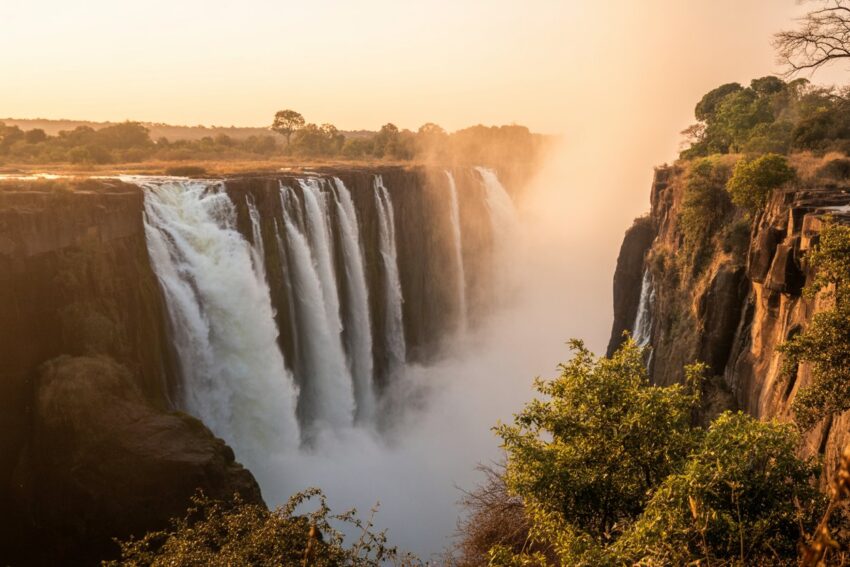
Zimbabwe’s tourism and academic sectors were severely impacted by the U.S. government’s decision to impose a Partial Ban on January 1, 2026, with the suspension of routine visa operations announced on February 2, 2026. Zimbabwe was flagged for having high overstay rates, particularly within its student population. In response, the U.S. has implemented stringent financial vetting measures, pausing student visa issuance (F-1 visas) for the 2026 academic year. For many Zimbabwean students who had planned to study in the U.S., this represents a significant disruption to their educational plans, as appointments were either canceled or postponed indefinitely.
Beyond student visas, the broader impact is felt across other visa categories, as the U.S. Embassy in Harare works to comply with new vetting requirements. Zimbabwean nationals looking to visit the U.S. for business or tourism are facing delays and additional scrutiny, particularly in terms of proving their financial stability and ties to Zimbabwe. As the U.S. Embassy in Harare catches up with these new policies, the once-familiar process for obtaining a U.S. visa has become a maze of complications for many Zimbabweans, adding to the frustrations and confusion about how long these restrictions will last.
Nigeria: Navigating New Financial Hurdles
Since the introduction of Proclamation 10998 on January 1, 2026, Nigeria has been hit hard by a Partial Ban, which has significantly altered the travel landscape. One of the most striking changes is the imposition of a Visa Bond requirement, which came into effect on January 21, 2026. Nigerians applying for B-1/B-2 business or tourism visas are now required to post a bond of up to $15,000 through Pay.gov before they can receive approval. This new financial barrier adds a hefty burden for many Nigerians who are seeking to visit the U.S. for either business or leisure.
In addition to the Visa Bond, Nigerian students have been hit particularly hard. The suspension of F, M, and J visas for new students means that many had their academic plans disrupted, with appointments canceled or delayed indefinitely. Perhaps most concerning for Nigerians is the freeze on immigrant visa processing, including the “Green Card” programs. The pause on these visas, effective from January 21, is attributed to the U.S. government’s review of “public charge” concerns. This freeze, along with the higher financial requirements and increased scrutiny, has made travel to the U.S. a far more complex and costly endeavor for Nigerians, and the fallout is expected to continue as long as these measures remain in place.
Zambia: Facing Restricted Entry and Shortened Visa Durations

Zambia, added to the Partial Ban list on January 1, 2026, is now facing a significant shift in its ability to send citizens to the United States. The tightening of U.S. visa policies has left many Zambian nationals unable to obtain visas for popular travel categories, including B, F, M, or J visas. This change comes as a direct response to rising overstay rates in 2025, leading the U.S. to restrict entry for many Zambians seeking short-term visits or educational opportunities in the U.S.
Compounding the issue for Zambians, even those who still qualify for other types of visas, like H-1B or L-1 work visas, are now finding that their visa durations have been drastically shortened. Where multi-year visas were once standard, consular officers are now issuing visas for only a single entry or brief stays. This policy shift presents challenges for both short-term workers and long-term expatriates, as it introduces greater uncertainty and inconvenience for travelers. While the decision aims to reduce the potential for overstays and curb illegal immigration, it is causing frustration for legitimate travelers who now find it harder to plan their visits to the U.S. under these new restrictions.
Mali: Total Suspension in a Full Ban Environment

Mali, one of the most restricted nations under Proclamation 10998, finds itself in a Full Ban environment with no new visas being issued—whether immigrant or non-immigrant. This total suspension of U.S. visas for Malian nationals has caused significant upheaval for those hoping to visit the United States for any purpose, from tourism to business, education, or family reunification. The U.S. government’s decision to impose a complete ban on visas for Mali is rooted in security concerns, with the U.S. citing the presence of “terrorist organizations operating freely” in the region.
In practice, this means that the U.S. Embassy in Bamako, which once facilitated visa processing for Malian citizens, has largely reduced its operations to emergency services for U.S. citizens only. The shift to prioritize emergency consular services over routine visa processing effectively leaves the Malian population without viable options for legal entry to the U.S. The implications of this ban are far-reaching, not only for those individuals whose travel plans have been indefinitely put on hold but also for the broader diplomatic relations between the U.S. and Mali. Without a resolution to these security concerns, it’s uncertain when Mali will regain its access to U.S. visas, leaving many Malian nationals in limbo.
Republic of Congo (Congo): Full Ban and Repatriation Pressures

The Republic of Congo remains under a Full Ban, continuing from the restrictions imposed on January 1, 2026. The U.S. has cited the Congolese government’s insufficient data-sharing on criminal records and identity management as the primary reason for the complete suspension of all visa processing. As a result, no Congolese nationals are eligible to receive U.S. visas at this time, whether for tourism, business, education, or immigration purposes.
In addition to the visa suspension, the U.S. has ramped up pressure on the Congolese government to accept the repatriation of nationals who have been ordered deported from the U.S. This combination of a visa freeze and repatriation pressures has placed Congo in a unique and challenging position. Congolese citizens, once hopeful of visiting the U.S., now find themselves with few options. For those attempting to travel to the U.S., the message is clear: until Congo addresses identity management and criminal data-sharing concerns, no visas will be issued, and the isolation will persist. This Full Ban is one of the most extreme cases of U.S. visa restrictions in the current climate, significantly limiting travel from the Republic of Congo.
Chad: Full Ban with Zero Exceptions

Chad transitioned into a Full Ban environment on January 1, 2026, closing the doors for Chadian nationals who were previously eligible for short-term business or tourism visas. The U.S. has cited a public safety information-sharing deficiency as the reason for this drastic measure, effectively barring all Chadian travelers from entering the United States for any reason. This decision comes as part of a broader effort by the U.S. to ensure that countries are meeting the necessary security standards to allow for safe international travel.
The impact for Chadian citizens has been profound, particularly for business travelers who had previously been able to obtain short-term visas for conferences or meetings in the U.S. The closure of this travel avenue has disrupted professional connections and made it much harder for Chadian citizens to engage with U.S. businesses or academia. For Chadians hoping to visit the U.S. for family visits or tourism, the ban represents a complete standstill. The policy has effectively halted movement between Chad and the U.S., leaving citizens wondering when, or if, travel will resume, depending on the resolution of the ongoing security concerns.
Burkina Faso: A Full Ban with Economic and Educational Implications

Burkina Faso was placed under a Full Ban on January 1, 2026, due to high business and student overstay rates. The U.S. flagged Burkina Faso for having one of the highest business overstay rates in the region, with nearly 9.16% of business visitors overstaying their visas, and a staggering 22.95% of student visa holders failing to leave the U.S. when their visas expired. This prompted a shift from individual vetting to a blanket ban, which now applies to all Burkinabe nationals.
The decision to suspend all visa services at the U.S. Embassy in Ouagadougou has had far-reaching consequences. Many Burkinabe students who were planning to pursue studies in the U.S. for the 2026 academic year have had their visas canceled, and no new student visa applications are being processed. For the business community, the ban creates a significant barrier to trade and professional collaboration with the U.S. While the ban is an attempt to induce better cooperation from the Burkinabe government, it has placed considerable strain on both the economy and the educational aspirations of many Burkinabe citizens.
Severe Tourism Challenges Faced by Affected African Nations After One Month of 2026 US Travel Ban
After one month of the U.S. travel ban imposed under Proclamation 10998, countries like Zimbabwe, Nigeria, Zambia, Mali, Congo, Chad, and Burkina Faso are facing severe challenges in their tourism sectors. Zimbabwe, along with these other nations, has seen a dramatic reduction in tourism to the U.S. due to the new restrictions. In Zimbabwe, the suspension of routine visa operations, coupled with stringent vetting requirements, has halted travel plans for students and business visitors alike. The suspension of F-1 student visas for the 2026 academic year has disrupted educational aspirations, while business and tourism visa applicants face long delays and increased scrutiny. Nigeria, too, is struggling with a new Visa Bond requirement of up to $15,000, making U.S. travel prohibitively expensive for many. Meanwhile, countries like Mali and Congo, under full bans, have seen no visa issuances at all, leaving potential travelers with no avenue to visit the U.S. The ripple effects extend to other sectors as well, as professional and academic exchanges, business deals, and family reunifications remain in limbo. This collective travel paralysis is straining diplomatic and economic relations, while leaving many nationals in uncertainty over when or if the restrictions will be lifted.
Full Ban (19 Countries + Palestinian Authority)
| Region | Countries |
|---|---|
| Africa | Burkina Faso, Chad, Equatorial Guinea, Eritrea, Libya, Mali, Niger, Rep. of Congo, Sierra Leone, Somalia, South Sudan, Sudan |
| Middle East | Iran, Syria, Yemen, Palestinian Authority travel documents |
| Asia / Americas | Afghanistan, Burma (Myanmar), Haiti, Laos |
Partial Ban (20 Countries + Special Case of Turkmenistan)
| Region | Countries |
|---|---|
| Africa | Angola, Benin, Burundi, Côte d’Ivoire, Gabon, The Gambia, Malawi, Mauritania, Nigeria, Senegal, Tanzania, Togo, Zambia, Zimbabwe |
| Americas | Antigua and Barbuda, Cuba, Dominica, Venezuela |
| Asia / Oceania | Tonga, Turkmenistan (Immigrant visas only) |
In the first month of 2026, Zimbabwe joined Nigeria, Zambia, Mali, Congo, Chad, Burkina Faso, and others in facing severe tourism challenges due to the U.S. travel ban. The restrictions, including visa suspensions and financial scrutiny, have disrupted travel plans for many.
Conclusion
Zimbabwe, along with Nigeria, Zambia, Mali, Congo, Chad, Burkina Faso, and other countries, continues to face severe tourism challenges in the U.S. following the first month of the 2026 travel ban. The restrictions, including visa suspensions, increased scrutiny, and financial requirements, have created significant obstacles for travelers hoping to visit the U.S. The impact has been felt across multiple sectors, with students, business travelers, and tourists all experiencing delays and cancellations. As these nations navigate the complexities of the new policies, it remains uncertain when or if these travel restrictions will be lifted. This collective disruption underscores the broader geopolitical and economic challenges influencing global travel, leaving many travelers from these countries in limbo.
The post Zimbabwe Joins Nigeria, Zambia, Mali, Congo, Chad, Burkina Faso, and Others in Facing Severe Tourism Challenges in the US After the First Month of 2026 Travel Ban: Everything You Need to Know appeared first on Travel And Tour World.
