
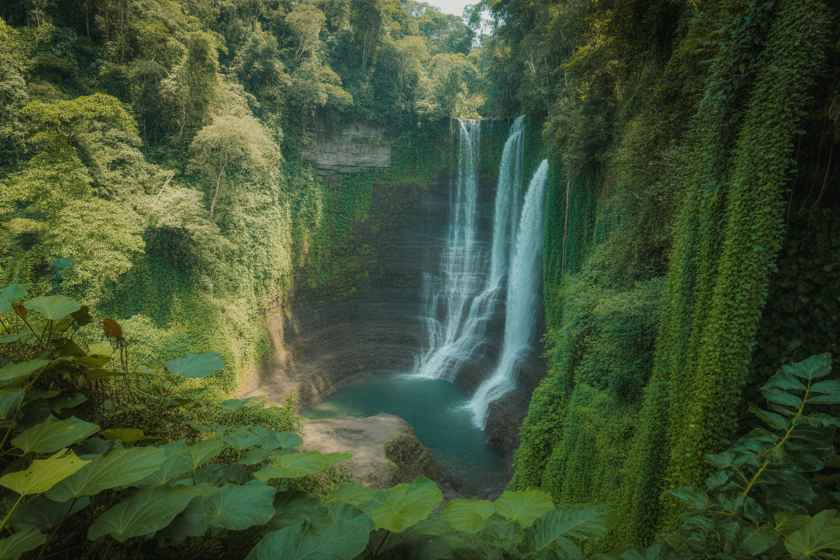
Sabah’s Kolopis River Waterfall in Kampung Sunsuron, Tambunan, has been highlighted as a key site for eco-tourism development after a recent site inspection by Datuk Seri Dr. Jeffrey G. Kitingan, Member of Parliament for Keningau and State Assemblyman for Tambunan. The waterfall’s stunning natural beauty and unique features have sparked interest from local authorities and tourism stakeholders, who see its potential as a sustainable eco-tourism attraction.
During his visit, Dr Jeffrey emphasised the importance of preserving the area’s natural beauty while harnessing its tourism potential. With the Sabah government’s strong commitment to sustainable tourism, the Kolopis River Waterfall stands out as a perfect example of low-impact tourism that could benefit both visitors and the local community.
Kolopis River Waterfall: A Hidden Gem in Tambunan
The Kolopis River Waterfall is nestled in the tranquil village of Kampung Sunsuron in the Tambunan District of Sabah, a region known for its rich biodiversity and natural beauty. The waterfall is surrounded by lush greenery, making it an ideal destination for nature lovers and adventure seekers. Its pristine environment and serene atmosphere make it a perfect spot for eco-tourism, offering opportunities for visitors to immerse themselves in the beauty of Sabah’s forests and rivers.
The area around the waterfall is relatively untouched, which makes it a perfect candidate for eco-tourism development. The cascading waterfall, combined with the surrounding natural features, offers a picturesque setting for outdoor activities such as hiking, bird watching, and photography. The peaceful environment also makes it a great location for relaxation and nature walks.
A Step Towards Sustainable Eco-Tourism
Dr. Jeffrey’s visit to the Kolopis River Waterfall underscores the importance of sustainable tourism for Sabah. With its untouched beauty, the waterfall offers an excellent opportunity to develop eco-friendly tourism experiences that align with the state’s vision of promoting sustainable tourism. The idea is to develop infrastructure and facilities that will enhance the visitor experience while minimizing environmental impact.
In line with the Sabah government’s sustainable tourism strategy, the waterfall could be developed as a low-impact attraction that prioritizes conservation. This approach would not only protect the natural environment but also provide economic benefits to the local community through tourism revenue, employment opportunities, and investment in local infrastructure.
By integrating eco-tourism principles, such as waste reduction, energy efficiency, and local community involvement, the Kolopis River Waterfall could become a model for other eco-tourism sites in Sabah and Malaysia. The development could include eco-friendly accommodations, guided tours, educational programs, and conservation initiatives that help visitors understand the importance of preserving Sabah’s natural heritage.
Potential for Eco-Tourism Investment
In addition to its natural beauty, the Kolopis River Waterfall site also offers significant potential for eco-tourism investment. The area’s accessibility to tourists, coupled with its proximity to other popular destinations in Sabah, positions it as a promising site for investors interested in sustainable tourism ventures. As the demand for eco-tourism experiences continues to grow, developing the Kolopis River Waterfall into a premium destination could attract both local and international visitors.
With the right investment, the site could be transformed into a leading eco-tourism attraction in Sabah, offering a range of services and activities that appeal to nature lovers and eco-conscious travelers. This could include eco-lodges, adventure tours, cultural experiences, and wildlife viewing, all designed to provide a sustainable travel experience.
The investment would not only support Sabah’s tourism industry but also help preserve its natural environment by promoting responsible travel practices. The government’s involvement in promoting eco-tourism would ensure that any development takes into account environmental sustainability, ensuring that the site remains pristine for future generations.
The Importance of Eco-Tourism for Sabah’s Future
Sabah, with its diverse landscapes, rich biodiversity, and cultural heritage, has long been a popular destination for nature and adventure tourism. However, the region also faces challenges related to environmental conservation and sustainable development. Eco-tourism offers a way to address these challenges by encouraging visitors to appreciate and protect the environment while providing economic benefits to local communities.
Eco-tourism initiatives like the development of the Kolopis River Waterfall are crucial for ensuring that Sabah’s tourism industry remains sustainable in the long term. By focusing on low-impact tourism, Sabah can attract visitors who are interested in experiencing the region’s natural beauty without compromising its environmental integrity.
Furthermore, the rise of eco-tourism in Sabah has the potential to boost the state’s reputation as a global leader in sustainable tourism. As travelers increasingly seek out destinations that prioritize sustainability, Sabah’s focus on eco-friendly practices could help the state stand out in a competitive tourism market.
Looking Ahead: The Future of Eco-Tourism in Sabah
As the Kolopis River Waterfall site moves forward with its eco-tourism development, it will serve as a model for other regions in Sabah and beyond. The success of this project could inspire similar initiatives that promote the preservation of natural environments while creating opportunities for tourism growth.
The waterfall’s development would not only benefit the local economy but also help to protect the environment for future generations. By showcasing the natural beauty of Sabah in an environmentally responsible way, the Kolopis River Waterfall could become a key player in the state’s growing eco-tourism sector.
In conclusion, the Kolopis River Waterfall has the potential to become a premier eco-tourism destination in Sabah, offering visitors a chance to connect with nature while supporting sustainable tourism practices. With the support of the government, local communities, and investors, this hidden gem in Kampung Sunsuron is poised to become an integral part of Sabah’s tourism future.
The post Eco-Tourism in Sabah Gets a Boost: Kolopis River Waterfall to Offer Unique Travel Experiences appeared first on Travel And Tour World.
