
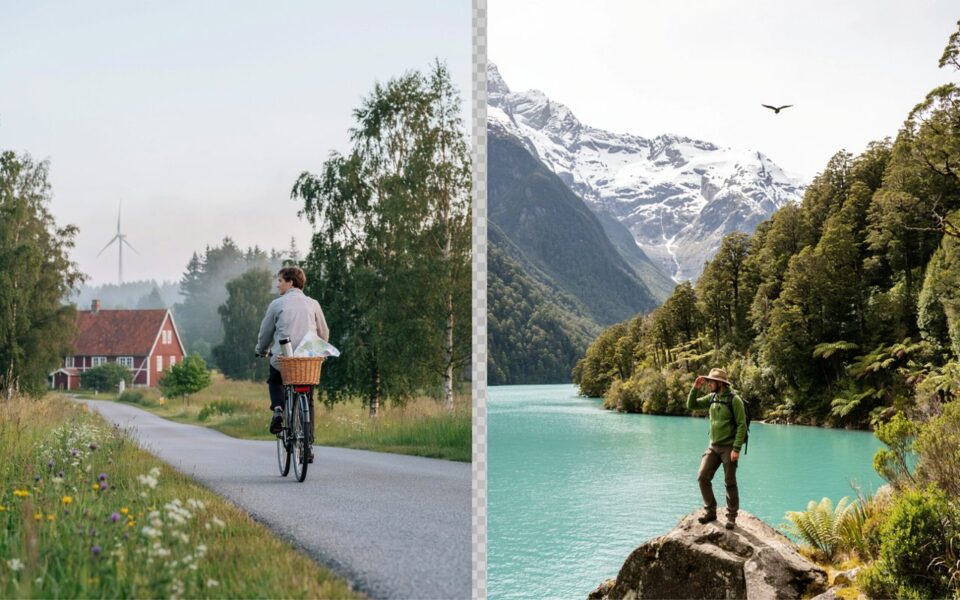
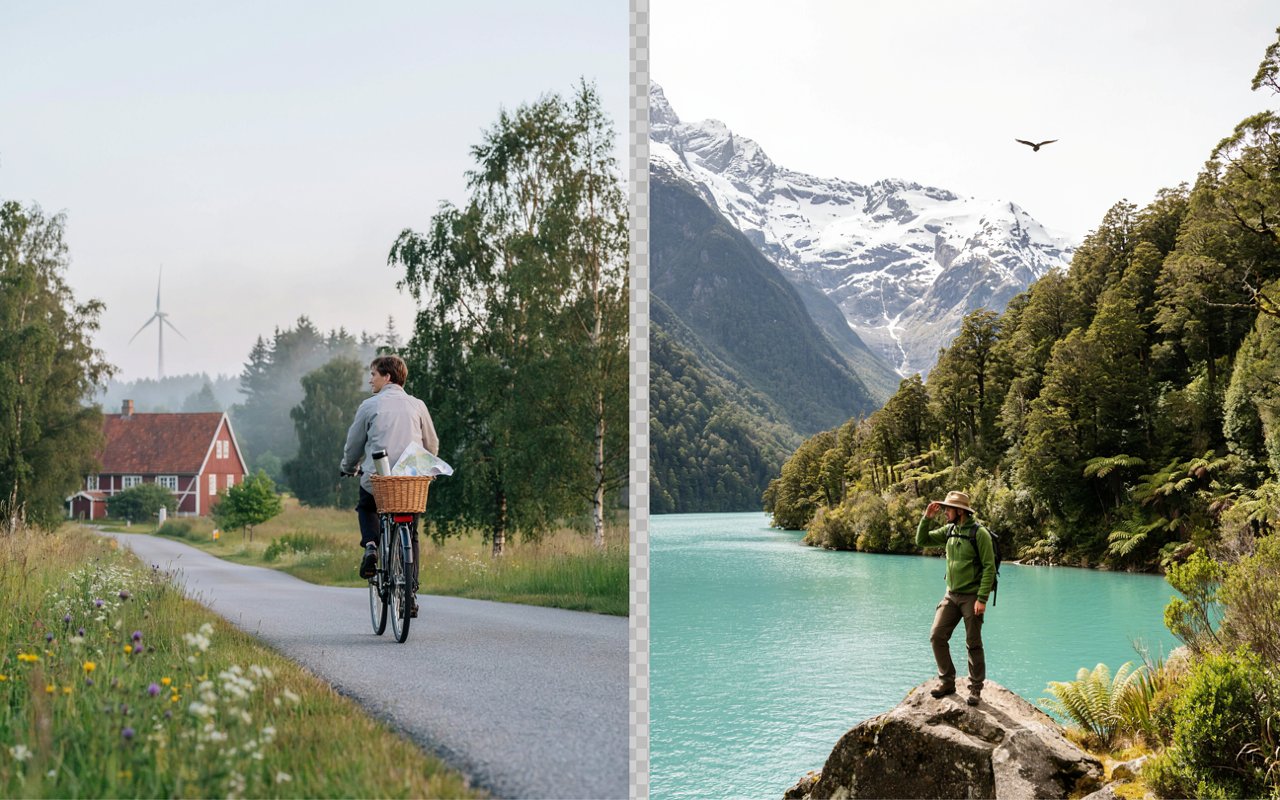
Sustainable travel is entering a transformative new era as destinations worldwide unite through the Destination Think Collective to reshape tourism around environmental responsibility, community wellbeing and long-term prosperity. The global alliance brings together destination organisations that believe tourism must create positive outcomes for communities, ecosystems and economies rather than focusing only on visitor growth. As travellers increasingly search for meaningful journeys, authentic experiences and destinations that protect their natural and cultural assets, tourism leaders are moving beyond traditional promotion strategies towards destination stewardship, climate action and responsible growth. The Collective represents a major shift in how destinations approach the future of travel by balancing visitor experiences with the needs of residents and the environment.
What Is the Destination Think Collective and Why Is It Transforming Tourism?
The Destination Think Collective is a global network of tourism destinations working together to build a more sustainable future for travel.
The alliance connects destination organisations focused on addressing some of tourism’s biggest challenges, including environmental pressure, community concerns, climate change, visitor management and responsible destination development.
The Collective operates on the principle that tourism should support healthy environments, resilient communities and strong economies while reducing negative impacts.
Instead of competing individually, member destinations collaborate by sharing knowledge, strategies and practical solutions.
This approach reflects a major change in tourism leadership, where destinations increasingly recognise that long-term success depends on protecting the places that attract visitors.
Why Is Sustainable Travel Becoming a Global Priority?
Tourism has created economic opportunities for destinations around the world, but rapid growth has also created new challenges.
Popular destinations are increasingly managing issues such as environmental damage, infrastructure pressure, housing concerns, overcrowding and resident dissatisfaction.
Sustainable travel has emerged as a response by encouraging tourism models that balance visitor demand with community needs.
Travellers are also changing their expectations.
Visitors increasingly look for destinations that demonstrate environmental responsibility, local involvement, ethical experiences and cultural respect.
The Destination Think Collective reflects this transformation by helping destinations move beyond traditional marketing and focus on responsible tourism management.
How Is Destination Stewardship Changing the Future of Tourism?
Destination stewardship has become a central concept in modern tourism planning.
Instead of focusing only on attracting more visitors, stewardship considers how tourism can improve destinations for residents, businesses, travellers and future generations.
The Collective supports destinations in developing strategies that protect natural landscapes, preserve cultural identity and strengthen local communities.
Member destinations are adopting different approaches based on their unique challenges.
Copenhagen, for example, has developed initiatives encouraging visitors to make more sustainable choices, including programmes designed to reward responsible behaviour.
Åre in Sweden is focusing on lower-emission travel solutions, climate action and responsible mountain tourism.
These examples show how destinations are adapting tourism strategies according to local environmental and social priorities.
Why Are Local Communities Becoming More Important in Travel?
Modern tourism increasingly recognises that successful destinations depend on the wellbeing of local communities.
Residents create authentic visitor experiences through culture, food, traditions, stories and local knowledge.
The Destination Think Collective focuses on ensuring tourism supports communities rather than creating additional pressure.
This is changing how destinations measure tourism success.
Instead of looking only at visitor numbers, tourism leaders are increasingly considering resident sentiment, quality of life, environmental health and economic benefits.
For travellers, this creates richer experiences because destinations remain vibrant places where communities benefit from tourism.
How Are Global Destinations Tackling Climate Challenges?
Climate change has become one of the biggest challenges facing tourism worldwide.
Destinations dependent on coastal environments, mountain landscapes, wildlife and natural ecosystems must adapt to changing conditions.
The Destination Think Collective supports destinations developing practical sustainability solutions.
Member destinations are exploring approaches including:
low-emission transportation,
protected areas,
sustainable infrastructure,
renewable energy,
and responsible visitor behaviour.
Mountain destinations are also working to reduce environmental impacts while maintaining outdoor tourism opportunities.
These initiatives demonstrate how tourism can become part of climate solutions rather than only contributing to environmental challenges.
Which Destinations Are Leading the Sustainable Tourism Movement?
The Destination Think Collective includes destinations from multiple continents.
Members include Copenhagen in Denmark, Banff and Lake Louise in Canada, Hawai‘i in the Pacific, Queenstown and Auckland in New Zealand, Aruba in the Caribbean, Whistler in Canada and several destinations across the United States and Australia.
Each destination faces different tourism challenges.
Some manage high visitor demand, while others focus on protecting fragile ecosystems or strengthening local economies.
The shared objective is creating tourism systems that remain beneficial for communities and visitors over the long term.
How Is Data Helping Destinations Manage Tourism Better?
Technology and data are becoming increasingly important in sustainable tourism planning.
Destination organisations are using information to understand:
visitor behaviour,
travel patterns,
community opinions,
and environmental pressures.
Destination Think highlights the importance of research and insights in helping tourism leaders make informed decisions.
Visitor data can help destinations protect popular trails, manage congestion and improve visitor experiences.
Data-driven tourism allows destinations to move from reactive responses towards long-term planning.
Why Are Travellers Seeking More Authentic Experiences?
Travellers are increasingly searching for experiences that feel authentic and connected to local places.
Instead of only visiting famous attractions, visitors now want:
local stories,
community interactions,
nature experiences,
cultural learning,
and responsible activities.
This shift supports destinations investing in sustainable tourism practices.
Visitors who understand local culture and environmental challenges are more likely to travel responsibly and appreciate the destinations they visit.
The Destination Think Collective reflects this movement towards deeper connections between travellers and destinations.
How Does Sustainable Travel Support Local Economies?
Sustainable tourism can create stronger economic opportunities by supporting local businesses and communities.
Visitors contribute through:
local accommodation,
restaurants,
guides,
transport providers,
craft businesses,
and cultural experiences.
When tourism benefits local residents, destinations can maintain stronger support for visitor economies.
Community-focused tourism also encourages travellers to explore beyond major attractions and discover smaller communities.
This creates a more balanced distribution of tourism benefits.
What Challenges Does Sustainable Tourism Still Face?
Although sustainable tourism is growing, destinations continue facing significant challenges.
Tourism leaders must balance economic growth, environmental protection, visitor expectations and resident needs.
Popular destinations may struggle with overcrowding, while emerging destinations may require investment to develop responsibly.
Climate change creates additional uncertainty for destinations dependent on natural resources.
The Destination Think Collective aims to address these challenges through collaboration, shared learning and practical solutions.
What Is the Future of Sustainable Travel?
The future of tourism is increasingly focused on responsibility, collaboration and meaningful experiences.
The Destination Think Collective represents a wider movement where destinations work together to create tourism systems that benefit people and the planet.
Future travellers are expected to prioritise eco-conscious journeys, authentic experiences, community connections and destinations demonstrating positive impact.
As tourism continues evolving, sustainability will likely become one of the most important measures of destination success.
The future of travel will not only depend on where people go, but also on how tourism contributes to the places they visit.
Conclusion
Sustainable travel is becoming one of the strongest forces shaping the future of global tourism as destinations collaborate through initiatives like the Destination Think Collective. By focusing on environmental protection, community wellbeing and responsible visitor management, tourism leaders are creating a new approach to destination development. From Copenhagen’s sustainable urban experiences to conservation-focused destinations across Canada, the Pacific and the Caribbean, the movement demonstrates how tourism can become a force for positive change. As travellers increasingly seek meaningful and responsible journeys, destinations that protect their natural landscapes, cultural heritage and communities will define the next generation of global travel.
The post New Zealand Teams Up With Canada, Denmark and Few Others as Global Destinations Unite to Build a Greener Tourism Future appeared first on Travel And Tour World.
