
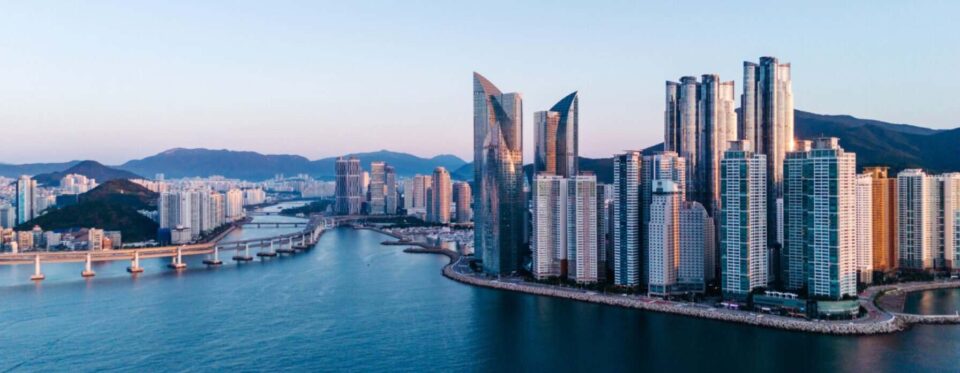
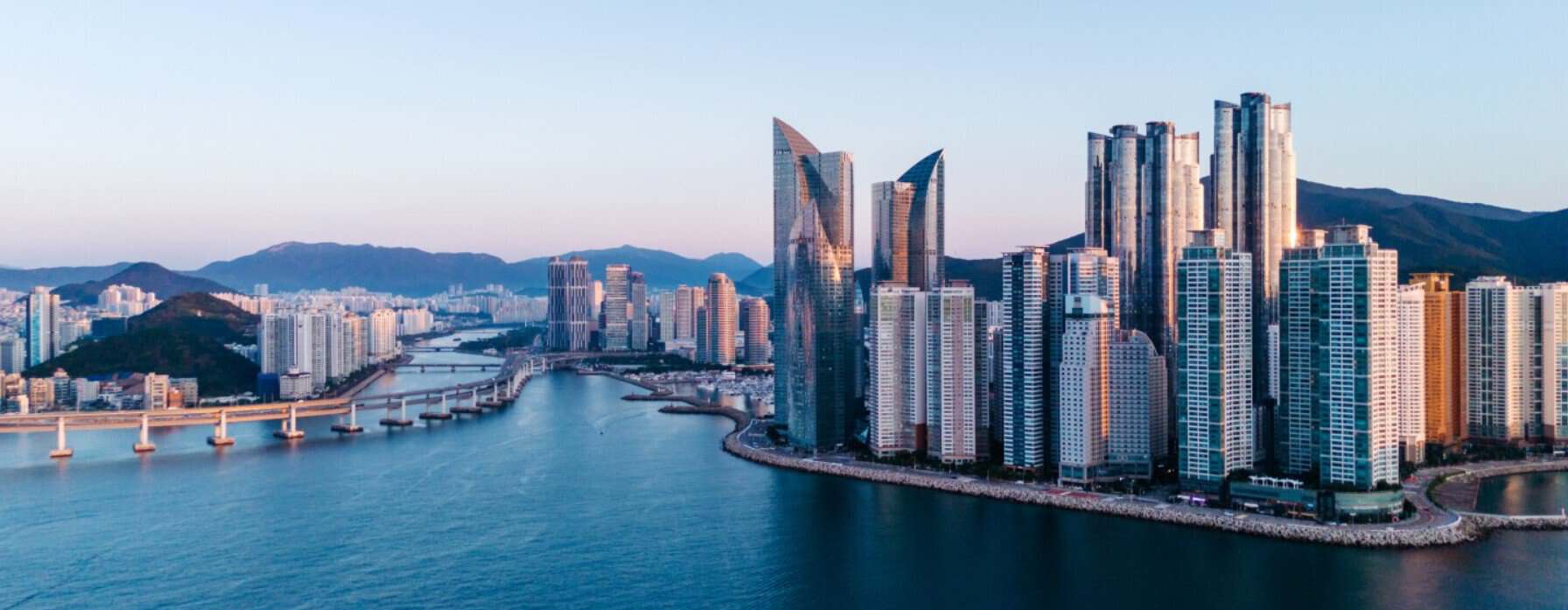
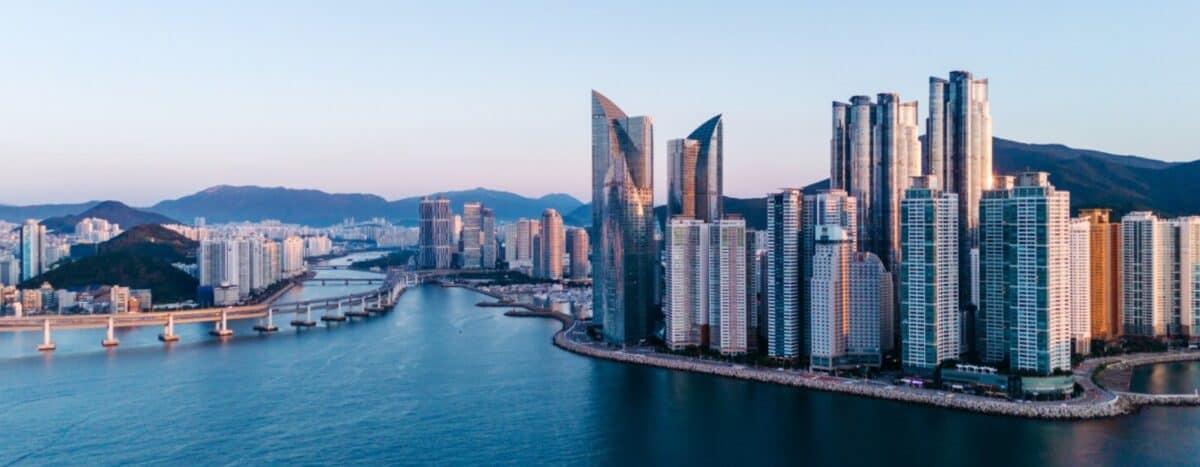
Busan Teams Up With Incheon, Daejeon and more as K-culture destinations across Korea increasingly beckon global travellers seeking fresh experiences. From Busan’s coastal energy to Incheon’s heritage streets, Daejeon’s food culture and other destinations, Korea offers travellers exciting ways to explore beyond Seoul. Moreover, K-culture connects music, food, fashion, history and local lifestyles across these destinations. As global travellers discover Korea, Busan, Incheon and Daejeon are gaining attention for distinctive experiences. Therefore, Travel And Tour World urges readers to explore the entire story and discover how K-culture destinations across Korea can transform a journey into an unforgettable travel experience filled with discovery, flavour and culture.
K-culture Tourism in Korea: Six Regional Cities Global Travellers Can Explore Beyond Seoul
South Korea is giving international travellers more reasons to travel beyond Seoul. K-culture is increasingly being connected with regional food, heritage, shopping, festivals, film, fashion and everyday neighbourhood experiences.
This creates a broader travel map for visitors who already know Seoul through K-pop, Korean dramas, beauty and food. Regional destinations now allow travellers to experience the culture behind those global trends.
The national tourism recovery provides important context. Korea recorded 967,003 inbound tourists in 2021, followed by 3.198 million in 2022, 11.032 million in 2023 and 16.370 million in 2024. The 2025 figure reached 19.585 million in the Ministry of Justice’s foreign-entry series, while Korea Tourism Organization tourism statistics use a different visitor definition.
The Ministry of Culture, Sports and Tourism said 2024 arrivals reached 93.5% of the 2019 pre-pandemic level. It also identified the 2025 APEC Summit in Gyeongju as an opportunity to strengthen regional inbound tourism.
For travellers, the message is simple. Korea can be explored as a collection of distinct cultural regions rather than only as a Seoul-based holiday.
South Korea Tourism Data: Five-Year International Visitor Comparison
| Year | Korea inbound tourists | Change from previous year | Travel context |
|---|---|---|---|
| 2021 | 967,003 | — | Pandemic restrictions continued |
| 2022 | 3,198,017 | +230.7% | International travel reopened progressively |
| 2023 | 11,031,665 | +245.0% | Major international recovery |
| 2024 | 16,369,629 | +48.4% | 93.5% of 2019 level |
| 2025 | 19,584,714 | +15.4% | Record-level international arrivals |
Source: Korea Tourism Organization tourism statistics and Ministry of Justice entry statistics. The two government systems have different definitions, so the table uses the Ministry of Justice series consistently.
The recovery also shows why regional tourism matters. The Korea Tourism Data Lab maintains separate datasets for visitor movements, tourism searches, international visitors and destination activity. Its national tourism statistics explicitly distinguish inbound tourists from broader visitor-flow measurements.
Six K-culture Tourism Cities to Add Beyond Seoul
1. Busan: K-culture Meets Beaches, Film, Food and Night Tourism
Busan offers perhaps the easiest regional extension for travellers who want a mixture of K-culture and coastal experiences. The city combines film, music, food, shopping, beaches and neighbourhood culture within one destination.
The Busan government reported 3,019,164 foreign visitors through October 2025. That was 23% higher than the 2,451,057 recorded during the same period in 2024. Foreign visitor spending reached KRW 859.2 billion through October 2025, according to the city.
Busan also reached one million foreign visitors by April 2025. The total was 1,061,284, compared with 858,656 during the same period of 2024. Taiwan, China and Japan were the three largest source markets at that point.
For travellers, Haeundae is suitable for beaches, cafés and modern accommodation. Nampo-dong and Jagalchi provide markets, seafood and traditional urban experiences. Gamcheon Culture Village adds colourful hillside architecture and creative neighbourhood culture.
Film lovers can connect the city with the Busan International Film Festival. Music travellers can also look for large-scale performances and seasonal events.
Food should be part of the itinerary. Try milmyeon, dwaeji-gukbap, eomuk and fresh seafood. Jagalchi Market is particularly useful for understanding Busan’s relationship with the sea.
A practical two-night plan starts with Haeundae and the coast on day one. Spend the second day around Gamcheon, Nampo-dong and Jagalchi. Evening can be reserved for Gwangalli or a city night-tour experience.
Stay around Haeundae for beach access, Seomyeon for transport connections or Nampo-dong for heritage and markets. Busan’s official tourism strategy is also expanding gastronomy, cruise tourism, experiential stays and nocturnal tourism.
Busan Data Snapshot
| Indicator | Official figure |
|---|---|
| Foreign visitors Jan–Apr 2024 | 858,656 |
| Foreign visitors Jan–Apr 2025 | 1,061,284 |
| Foreign visitors Jan–Oct 2024 | 2,451,057 |
| Foreign visitors Jan–Oct 2025 | 3,019,164 |
| Spending Jan–Oct 2025 | KRW 859.2 billion |
| Largest Jan–Apr 2025 markets | Taiwan, China, Japan |
| 2026 Q1 foreign visitors | 1,023,946 |
The 2026 first-quarter figure was published by Busan Metropolitan City and represents another measurement period rather than a full-year comparison.
2. Gyeongju: Ancient Korea Becomes a Modern K-culture Experience
Gyeongju provides a different interpretation of K-culture. Here, the experience begins with Korea’s historical foundations rather than contemporary entertainment.
The city served as the Silla capital for centuries. Today, travellers can connect archaeological landscapes with cafés, contemporary restaurants, night tourism, festivals and modern cultural experiences.
Korea Tourism Data Lab recorded 39.51 million annual visitors to Gyeongju in 2021, 45.08 million in 2022 and 47.54 million in 2023. The city recorded 47.09 million visitors in 2024 according to later Data Lab reporting.
The most important visitor development is the international component. The Ministry of Culture, Sports and Tourism reported about 569,000 foreign visitors from January through May 2026. That represented an 18.3% increase over the same period of 2025. Foreign visitor spending reached KRW 11.1 billion, up 34.1%. Domestic visitors exceeded 20.97 million during the same period.
Travellers should visit Bulguksa Temple, Seokguram Grotto, Daereungwon, Cheomseongdae, Donggung Palace and Wolji Pond. Hwangridan-gil provides a contemporary layer of cafés, boutiques and food.
Gyeongju is also becoming more international. The city developed 150 World Restaurants ahead of the 2025 APEC Summit, creating additional choices for international visitors.
Food should include ssambap, Gyeongju bread, local Korean dishes and traditional beverages. Hwangridan-gil is convenient for cafés and contemporary restaurants.
Stay in central Gyeongju for walking access to historic sites. Bomun Tourist Complex works better for resort-style accommodation and lake scenery.
A two-night plan can begin with Daereungwon, Cheomseongdae and Hwangridan-gil. The second day can cover Bulguksa, Seokguram and Bomun Lake.
Gyeongju Five-Year Visitor Data
| Year | Gyeongju visitor figure |
|---|---|
| 2021 | 39.51 million |
| 2022 | 45.08 million |
| 2023 | 47.54 million |
| 2024 | 47.09 million |
| 2025 | Comparable full-year city figure not verified in the same published series |
These are Data Lab visitor-flow figures rather than unique international tourists. They should not be compared directly with Busan’s foreign-arrival figures.
3. Jeonju: Hanok Streets, Korean Food and Screen Culture
Jeonju is ideal for travellers who want to combine traditional architecture with Korean food and contemporary creative culture.
The city’s Hanok Village provides the central experience. Traditional houses, craft workshops, cafés, food outlets and cultural venues are concentrated within a walkable area.
Jeonju also has a strong connection with film. The city and Jeonju International Film Festival have developed JEONJU Cinetour programmes since 2023. These programmes connect visitors with outdoor screenings, actors, performances and film-related experiences.
The city is also recognised as a UNESCO Creative City of Gastronomy. Its signature food is bibimbap, but travellers should explore beyond one dish.
Try kongnamul-gukbap, traditional makgeolli combinations, Korean sweets and local snacks. Nambu Market provides another way to experience everyday food culture.
Gyeonggijeon Shrine, Jeondong Cathedral and the traditional cultural streets can be combined with the Hanok Village. Travellers interested in Korean crafts can add hanji-making or traditional cultural workshops.
A one-night stay is sufficient for the main highlights. Two nights are better for a slower itinerary.
Stay inside or immediately around the Hanok Village for atmosphere. The wider central area offers more conventional hotels and easier access for travellers carrying luggage.
The first afternoon can cover Hanok Village, Gyeonggijeon and nearby cultural streets. The evening can focus on food and night scenery. The following morning can be dedicated to Nambu Market and traditional craft experiences.
Jeonju’s tourism organisation is now promoting film, hanok stays, food routes, traditional workshops and slower forms of travel as part of its visitor programme.
Jeonju Visitor Data
| Indicator | Officially available figure |
|---|---|
| Hanok Village visitors in 2023 | 15,364,206 |
| Year-on-year change | +36% |
| Main tourism identity | UNESCO Creative City of Gastronomy |
| Film tourism programme | JEONJU Cinetour |
| Recommended stay | 1–2 nights |
The Hanok Village figure covers the attraction rather than every visitor to the wider city. It should therefore not be treated as a citywide annual total.
4. Incheon: Gateway City With Open-Port Culture and Modern K-content
Incheon is more than an airport gateway. It offers one of the easiest introductions to regional Korean culture for international visitors arriving in the country.
The city’s 2024 international visitor count reached 1,031,287, compared with 717,058 in 2023. Incheon Metropolitan City said the 2024 figure increased 43% year on year, citing Ministry of Culture, Sports and Tourism international visitor survey data.
The Open Port district provides a particularly useful cultural starting point. Travellers can explore historic streets, museums, cafés and heritage buildings before moving into modern shopping and entertainment areas.
Incheon also uses night tourism and cultural programming to make the heritage district more accessible. Government tourism information describes the Open Port Heritage Culture Night as including themed programmes, cultural commentary and a K-culture experience for foreign tourists.
Travellers should combine the Open Port area with Chinatown, Songdo and Wolmi Island. Songdo adds modern architecture and waterfront spaces, while Chinatown introduces a distinctive food and cultural district.
Try jjajangmyeon, seafood dishes, dumplings and Korean-Chinese street food. Travellers who want a modern dining scene can spend an evening around Songdo.
Stay near Incheon Airport for an early flight, around the Open Port district for heritage access or in Songdo for modern hotels and business facilities.
A one-day stop can cover Chinatown, Open Port and Wolmi Island. Two days allow Songdo and additional museums.
Incheon is particularly useful for travellers who want to begin their Korean journey outside central Seoul without making a long inland transfer immediately after arrival.
Incheon Foreign Visitor Comparison
| Year | Foreign visitors |
|---|---|
| 2021 | Comparable citywide figure not located in the cited municipal series |
| 2022 | Comparable citywide figure not located |
| 2023 | 717,058 |
| 2024 | 1,031,287 |
| 2025 | Comparable full-year figure not verified in the same cited series |
The 2023 and 2024 figures come from Incheon Metropolitan City, which attributes them to the MCST International Visitor Survey.
5. Daejeon: Science, Food and Korea’s Everyday Urban Culture
Daejeon is a strong option for travellers who want to see a less conventional side of contemporary Korea.
The city combines science, food, urban parks, sports and local cultural branding. Its tourism identity is increasingly connected with food, particularly bakery culture and local restaurants.
Daejeon Metropolitan City reported 90,947,902 visitors in 2025 based on Korea Tourism Data Lab data. The figure followed 84,639,908 in 2024, 82,009,340 in 2023, 75,608,788 in 2022 and 69,111,136 in 2021.
The five-year change is substantial.
Daejeon Five-Year Visitor Comparison
| Year | Visitors | Year-on-year movement |
|---|---|---|
| 2021 | 69,111,136 | — |
| 2022 | 75,608,788 | +9.4% |
| 2023 | 82,009,340 | +8.4% |
| 2024 | 84,639,908 | +3.2% |
| 2025 | 90,947,902 | +7.5% |
These are visitor-flow measurements rather than unique international tourists. They include broader movement captured through tourism data systems.
Food is particularly important. Daejeon reported that food-related destinations accounted for 48.1% of navigation-search categories for visitors, followed by shopping at 18.5%.
Travellers should explore Hanbat Arboretum, the National Science Museum area, Expo Science Park surroundings and central shopping districts. The city is also known for bakery culture.
Try kalguksu, local bakery products, dumplings and Korean comfort food. For a more modern experience, combine cafés with the central shopping areas.
Stay around Daejeon Station or central districts for transport convenience. The Yuseong area works well for travellers interested in hot springs and a quieter hotel environment.
A two-day visit works well. Spend day one exploring science and urban attractions. Use day two for parks, food and Yuseong.
Daejeon’s advantage for a K-culture itinerary is its connection with ordinary urban life. Travellers can experience the food, shopping and leisure habits that are often less visible on conventional first-time Korea itineraries.
6. Gwangju: Art, Food, Festivals and Contemporary Korean Culture
Gwangju brings together contemporary art, food, history and creative neighbourhoods. It is particularly relevant for travellers who want cultural depth rather than only commercial K-pop experiences.
The National Asian Culture Center is one of the city’s major cultural anchors. Gwangju’s municipal tourism data identified it as the city’s leading cultural attraction. Visitor numbers rose from approximately 1.77 million in 2022 to 2.50 million in 2023 and 3.20 million in 2024.
Gwangju’s broader visitor behaviour also shows strong food demand. Municipal analysis based on Korea Tourism Data Lab data for January–October 2025 found that food accounted for 54% of navigation searches by visitors from outside the city. Culture accounted for 14.1% and shopping 12.5%.
The same analysis reported a 6.7% year-on-year increase in outside visitors during January–October 2025. It also showed growth in longer stays, with visitors staying seven nights increasing 20.9% year on year.
Travellers should visit the National Asian Culture Center, Yangnim-dong, Chungjang-ro and Mudeungsan. The city also offers traditional markets and contemporary cafés.
Food is central to the experience. Travellers should seek out Gwangju-style Korean meals, tteokgalbi, local side dishes and market foods.
Stay around Dong-gu for cultural attractions and evening access. The Sangmu area provides modern accommodation and business-district convenience.
A two-night plan allows travellers to combine the ACC with Yangnim-dong on day one. Day two can focus on food, markets and Mudeungsan.
Gwangju is especially suitable for visitors who want to understand how modern Korean culture develops through art, food, festivals and neighbourhood communities.
Gwangju Cultural Attraction Data
| Indicator | Figure |
|---|---|
| ACC visitors, 2022 | Approx. 1.77 million |
| ACC visitors, 2023 | Approx. 2.50 million |
| ACC visitors, 2024 | Approx. 3.20 million |
| Outside visitors, Jan–Oct 2025 | +6.7% YoY |
| Food navigation share, 2025 | 54.0% |
| Culture navigation share, 2025 | 14.1% |
| Shopping navigation share, 2025 | 12.5% |
| Seven-night stay visitor change | +20.9% |
The ACC figures are attraction-level numbers, while the visitor-growth indicators relate to broader visitor behaviour. They should not be combined into a single citywide total.
Five-Year Data Comparison Across the Six Regional Destinations
The table below deliberately separates measurement types. This prevents foreign-tourist arrivals from being incorrectly compared with mobile-data visitor flows or attraction admissions.
| Destination | 2021 | 2022 | 2023 | 2024 | 2025 |
|---|---|---|---|---|---|
| Busan | Comparable annual foreign series not verified | Comparable annual foreign series not verified | 1.82m foreign visitors | 2.93m foreign visitors | 3.02m Jan–Oct |
| Gyeongju | 39.51m visitor flows | 45.08m | 47.54m | 47.09m | Same full-year series not verified |
| Jeonju | Comparable citywide series not verified | Comparable citywide series not verified | 15.36m Hanok Village | Same attraction series not verified | Same attraction series not verified |
| Incheon | Comparable citywide series not verified | Comparable citywide series not verified | 717,058 foreign visitors | 1,031,287 foreign visitors | Same annual series not verified |
| Daejeon | 69.11m visitor flows | 75.61m | 82.01m | 84.64m | 90.95m |
| Gwangju | 3.68m major-site admissions | 6.30m | 6.68m | 7.47m | Comparable full-year major-site figure not verified |
Sources: Korea Tourism Data Lab, MCST, municipal governments and municipal tourism organisations.
What the Numbers Tell Global Travellers
The statistics reveal three separate tourism stories.
First, international travel to Korea has recovered dramatically. Inbound tourism moved from fewer than one million tourists in 2021 to more than 16 million in 2024.
Second, regional cities are attracting different types of visitors. Busan has developed strong international demand, while Gyeongju has combined heritage with new inbound tourism products.
Third, domestic and broader visitor-flow datasets demonstrate that cities such as Daejeon can have enormous visitor activity without those figures representing international tourists.
This distinction is important when planning a trip. A city with a large total visitor-flow number is not automatically a city receiving the most overseas tourists.
How K-culture Can Shape a Regional Korea Itinerary
Travellers can create a 10-day itinerary that moves gradually from modern Korean entertainment towards regional culture.
| Day | Destination | Main experience | Food focus |
|---|---|---|---|
| 1 | Seoul | K-pop, shopping and contemporary neighbourhoods | Korean street food |
| 2 | Seoul | Museums, markets and K-content shopping | Market dishes |
| 3 | Incheon | Open Port and Chinatown | Jjajangmyeon, dumplings |
| 4 | Daejeon | Science, parks and urban culture | Kalguksu, bakery food |
| 5 | Gwangju | ACC and creative districts | Tteokgalbi, local cuisine |
| 6 | Gwangju | Markets, Yangnim-dong and Mudeungsan | Korean set meals |
| 7 | Jeonju | Hanok Village and traditional culture | Bibimbap, kongnamul-gukbap |
| 8 | Jeonju | Food, crafts and film-related experiences | Makgeolli and local dishes |
| 9 | Gyeongju | Silla heritage and Hwangridan-gil | Ssambap and local dishes |
| 10 | Busan | Coast, markets and contemporary culture | Milmyeon, eomuk, seafood |
Travellers with additional time can extend Busan to three nights. Gyeongju also merits two nights for visitors who prefer a slower heritage itinerary.
Where to Stay During a Regional K-culture Journey
| City | Best area for travellers | Suitable for |
|---|---|---|
| Busan | Haeundae | Beaches, cafés and modern tourism |
| Busan | Seomyeon | Transport and nightlife |
| Gyeongju | Historic centre | Heritage sightseeing |
| Gyeongju | Bomun | Resorts, lake and leisure |
| Jeonju | Hanok Village | Traditional accommodation |
| Jeonju | Central Jeonju | Hotels and transport |
| Incheon | Open Port | Heritage and walking |
| Incheon | Songdo | Modern hotels and waterfront |
| Daejeon | Central district | Rail and city sightseeing |
| Daejeon | Yuseong | Hot springs and leisure |
| Gwangju | Dong-gu | Culture and nightlife |
| Gwangju | Sangmu | Modern hotels and business facilities |
The Korea Tourism Organization provides official regional guides for Busan, Daegu, Incheon, Daejeon, Jeonju, Gwangju and Gyeongju, making it possible for international visitors to check current attractions and travel information before departure.
What Travellers Should Book and Check Before Departure
Travellers should check transport schedules before moving between regional cities. Korea’s high-speed rail network makes several of these destinations practical additions to a Seoul itinerary.
Accommodation should be reserved earlier during major festivals, public holidays and peak autumn periods.
Travellers should also check individual attraction opening hours. Museum schedules, festivals, cultural programmes and temporary exhibitions can change.
For K-culture experiences, official tourism calendars are particularly useful. The Korea Tourism Organization categorises itineraries around Hallyu, culture, food, history, nature and leisure.
This allows travellers to build a trip around personal interests instead of following a standard sightseeing route.
The Bigger Travel Picture
South Korea’s regional tourism strategy is increasingly turning K-culture into a gateway rather than a destination by itself.
A visitor can start with K-pop in Seoul, discover Korean-Chinese food in Incheon, explore science and bakery culture in Daejeon, experience contemporary art in Gwangju, stay in a hanok in Jeonju, walk through Silla heritage in Gyeongju and finish with beaches, cinema and seafood in Busan.
That combination gives international travellers a broader picture of Korea.
The most useful approach is therefore not to treat regional cities as alternatives to Seoul. Instead, they can become complementary chapters in a longer Korean journey.
For global travellers, this creates a practical opportunity to experience K-culture through the places where Korean food, history, art, fashion, film, neighbourhood life and contemporary creativity intersect.
Conclusion
K-culture is giving global travellers more reasons to explore Korea beyond Seoul. Busan, Incheon, Daejeon and other regional destinations each offer a different experience, from coastal escapes and historic neighbourhoods to local food, creative culture and contemporary attractions. Together, these destinations show how Korea’s cultural appeal extends across cities and regions. For travellers planning their next Korean journey, exploring beyond the capital can reveal a more diverse side of the country. As these K-culture destinations continue to welcome international visitors, Busan, Incheon, Daejeon and more are creating fresh opportunities to experience Korea through food, heritage, entertainment, shopping and authentic local experiences.
The post Busan Teams Up With Incheon, Daejeon and More as K-culture Destinations Across Korea Beckon Global Travellers appeared first on Travel And Tour World.
