
Italy goes hand in hand with Greece, Spain and other European countries as foreign tourists drive tourism growth in 2026, strengthening demand for hotels, holiday rentals, restaurants and travel services. According to Eurostat, international visitors accounted for 48.9% of EU tourist accommodation nights in the first half of 2026, while Malta, Cyprus and Luxembourg recorded significantly higher foreign visitor shares. Europe’s cultural heritage, Mediterranean beaches, historic cities and diverse holiday experiences continue to attract overseas travellers, making international tourism a vital contributor to hospitality businesses, regional economies and destination development.
Italy, Greece and Spain are major international tourism markets, but their size does not automatically make them Europe’s most dependent destinations. Malta, Cyprus and Luxembourg recorded foreign shares exceeding 87% of total tourist accommodation nights in the first half of 2026. Meanwhile, 2025 online-platform accommodation statistics show substantial overseas demand in Italy, Greece and Spain. These indicators measure different types of accommodation and cannot be directly combined into one ranking. Nevertheless, they provide useful evidence of how international tourism supports European hospitality businesses and why countries face different risks from seasonal demand, airline disruptions and changing overseas travel spending.
Italy Attracts Strong International Tourism Demand With 76% Foreign Platform Guest Nights
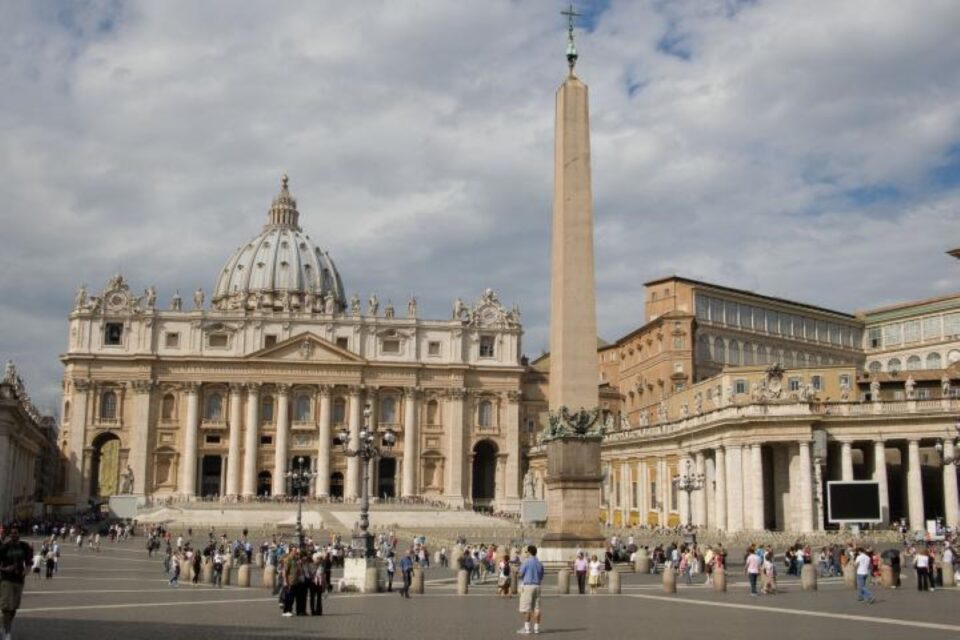
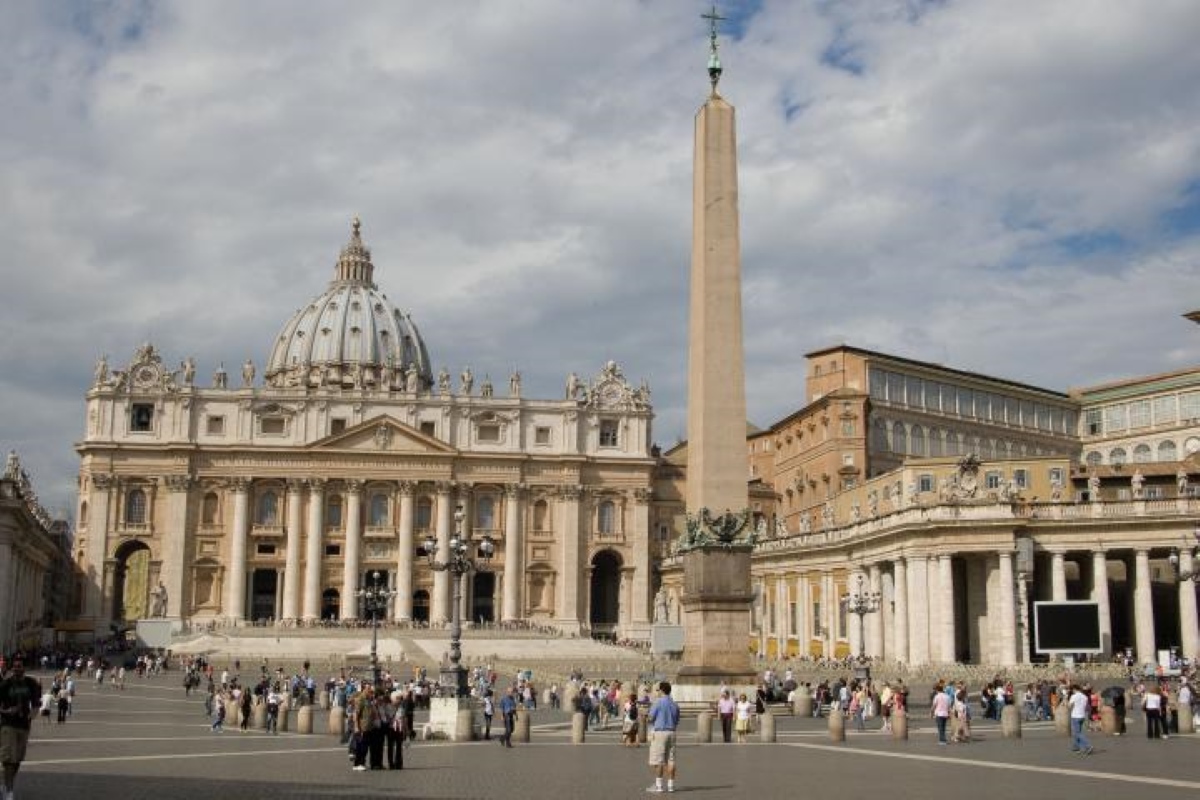
Italy remains one of Europe’s most attractive international tourism destinations, with foreign visitors accounting for 76% of guest nights booked through online short-stay accommodation platforms in 2025. Rome, Venice, Florence, Milan and Naples attract overseas travellers through historic monuments, cultural heritage, architecture and gastronomy. Coastal destinations, including the Amalfi Coast and Sicily, also benefit from international leisure demand. Foreign visitors support accommodation providers, restaurants, museums, transport operators and local tourism businesses. However, the 76% figure represents online-platform accommodation rather than all tourist overnight stays, making it a measure of one important segment of Italy’s tourism industry.
Italy’s international tourism strength creates significant economic opportunities but also presents challenges involving overcrowding, housing affordability and heritage protection. Popular cities such as Venice, Rome and Florence experience substantial visitor pressure during peak travel periods. Rising accommodation costs and changing international consumer spending may also influence future bookings. Italy could strengthen its tourism economy by promoting smaller historic towns, rural accommodation, regional food experiences and cultural routes beyond major cities. Encouraging longer stays and distributing visitors across lesser-known destinations may help increase local economic benefits while protecting the attractions that make Italy internationally competitive.
Greece Relies on Overseas Holidaymakers for 86% of Online-Platform Accommodation Nights
Greece remains highly dependent on international leisure demand in its short-stay accommodation market, with 86% of online-platform guest nights in 2025 generated by foreign visitors. Santorini, Mykonos, Crete, Rhodes, Corfu and Athens attract travellers through Mediterranean beaches, historic attractions and island experiences. Overseas tourism supports hotels, holiday rentals, restaurants, ferries and local businesses. The country’s accommodation demand is particularly strong during summer, when international holidaymakers visit coastal and island destinations. This creates substantial seasonal revenue but also makes parts of Greece’s tourism industry sensitive to changes in overseas travel demand.
Greece faces significant seasonal tourism challenges, with approximately 43% of its annual online-platform guest nights in 2025 concentrated in July and August. Popular islands experience pressure on accommodation, transport services, water resources and local infrastructure. Extreme summer temperatures and wildfire risks may also influence international travel decisions. Greece could strengthen tourism resilience by promoting mainland heritage destinations, mountain holidays, cultural experiences and spring or autumn travel. Encouraging visitors to explore lesser-known islands and regional attractions may help distribute tourism spending beyond established summer hotspots while reducing environmental and infrastructure pressure.
Spain Balances Foreign Tourism With Domestic Demand as Overseas Guests Generate 64% of Platform Nights
Spain recorded a 64% foreign share of online-platform accommodation guest nights in 2025, demonstrating strong international demand alongside a substantial domestic tourism market. Barcelona, Madrid, the Balearic Islands, the Canary Islands and Mediterranean coastal resorts attract overseas visitors through beaches, cultural attractions, gastronomy and leisure experiences. Spain’s large population and domestic travel activity provide additional accommodation demand, making its tourism structure more balanced than smaller countries such as Malta and Cyprus. Nevertheless, international visitors remain important for hotels, holiday rentals, airlines, restaurants and tourism businesses across coastal and urban destinations.
Spain’s tourism economy benefits from having both international and domestic visitor markets, but popular destinations face challenges involving overcrowding, housing affordability and seasonal pressure. Barcelona and the Balearic Islands have experienced concerns about the impact of tourism demand on local communities. Rising travel costs may also influence overseas bookings, particularly among price-sensitive visitors. Spain could strengthen tourism sustainability by promoting inland destinations, cultural routes, rural accommodation and off-season holidays. Encouraging travellers to explore beyond established coastal resorts may help distribute tourism revenue more evenly while protecting infrastructure and local living conditions.
Malta Leads European Foreign Tourism Dependence With 95.2% of Overnight Stays
Malta recorded the highest foreign visitor share among the European Union countries highlighted in the first-half 2026 accommodation data, with 95.2% of overnight stays generated by international travellers. Domestic guests accounted for only 4.8%, demonstrating the country’s exceptional reliance on overseas tourism. Malta also recorded a 9.9% increase in total accommodation nights compared with the corresponding period in 2025. Valletta, Sliema, St Julian’s and Gozo attract visitors through historic attractions, coastal scenery, diving experiences and leisure holidays. International aviation remains particularly important because Malta’s relatively small domestic market cannot sustain comparable accommodation demand independently.
Malta’s high foreign tourism share supports hotels, restaurants, attractions and local employment but creates considerable economic exposure. Airline disruptions, higher fares or weaker consumer confidence in overseas markets could quickly affect accommodation bookings. Rising visitor numbers may also place pressure on housing, transport, water resources and coastal environments. Malta could strengthen long-term tourism performance by attracting more off-season travellers, promoting cultural heritage and encouraging visitors to explore lesser-known destinations. Developing year-round experiences may help distribute tourism spending while reducing pressure on popular resort areas and supporting more sustainable economic growth.
Cyprus Depends on International Travellers for 92.6% of Tourism Accommodation Nights
Cyprus remains one of Europe’s most internationally dependent accommodation markets, with 92.6% of tourist overnight stays generated by foreign visitors during January–June 2026. Domestic travellers accounted for only 7.4%, showing the importance of overseas holidaymakers to the country’s hospitality industry. Paphos, Limassol, Larnaca, Ayia Napa and Protaras attract international visitors through Mediterranean beaches, resort accommodation and cultural attractions. However, Cyprus recorded a 7.7% decline in total tourist accommodation nights during the first half of 2026 compared with the previous year, illustrating that strong international dependence does not guarantee consistent tourism growth.
Cyprus faces challenges because international aviation and overseas holiday demand are essential to its tourism accommodation market. Rising airfares, regional uncertainty and changing travel preferences could influence hotel bookings and visitor spending. Nevertheless, the country has opportunities to develop cultural tourism, wellness holidays, rural experiences and heritage attractions beyond its traditional coastal resorts. Encouraging travel during spring, autumn and winter may help reduce seasonal fluctuations and generate more consistent tourism revenue. Better transport connections between coastal and inland destinations could also support longer stays and distribute spending across additional communities.
Luxembourg Attracts Foreign Visitors for 87.7% of Accommodation Nights
Luxembourg demonstrates how a small European country can develop a highly international tourism market through business travel, cultural attractions and cross-border mobility. During the first half of 2026, 87.7% of tourist accommodation nights came from foreign visitors, compared with 12.3% generated by domestic travellers. Luxembourg City attracts conference delegates, corporate travellers and cultural tourists through historic architecture, museums and international institutions. Its location between Belgium, France and Germany also encourages short European holidays and cross-border travel. The country’s relatively small population makes international visitors especially important for hotel occupancy and hospitality revenue.
Luxembourg’s high foreign visitor share creates opportunities for hotels, restaurants, cultural attractions and regional tourism businesses. However, dependence on international mobility may expose the accommodation sector to changes in corporate travel budgets and European consumer demand. Competition from neighbouring cities can also influence visitor choices. Luxembourg could strengthen tourism performance by encouraging longer leisure stays and promoting countryside attractions beyond the capital. Historic castles, walking routes, nature experiences and regional cultural destinations may help attract a broader visitor mix while distributing tourism spending across smaller communities.
Croatia Sees International Visitors Generate 94% of Online-Platform Guest Nights
Croatia remains one of Europe’s most internationally oriented coastal tourism destinations, with 94% of online-platform accommodation guest nights in 2025 generated by foreign visitors. The country also recorded an 87.6% foreign share across tourist accommodation during the first half of 2025, reinforcing its strong reliance on overseas leisure demand. Dubrovnik, Split, Zadar, Hvar and Istria attract international holidaymakers through Adriatic beaches, historic towns, sailing experiences and island tourism. European road travel, international flights and seasonal holiday rentals support accommodation businesses, restaurants, ferry services and local tourism operators.
Croatia’s strong international tourism appeal generates substantial seasonal economic activity but also creates challenges involving overcrowding, housing pressure and infrastructure capacity. Popular coastal destinations receive large numbers of visitors during summer, while tourism demand can weaken outside peak holiday months. Changes in European travel spending and transport costs may affect bookings. Croatia could strengthen its tourism economy by developing inland tourism, national park experiences, cultural routes and gastronomy holidays. Promoting spring and autumn travel may help extend the tourism season, support year-round employment and distribute visitor spending beyond established Adriatic hotspots.
Slovenia Builds International Tourism Through 93% Foreign Online-Platform Guest Nights
Slovenia attracts a highly international visitor market through Alpine scenery, lakes, outdoor adventures and cultural experiences. Eurostat’s 2025 online-platform accommodation figures show that 93% of guest nights were generated by foreign travellers. Lake Bled, Ljubljana, the Julian Alps and Triglav National Park attract visitors interested in hiking, cycling, nature holidays and cultural tourism. Slovenia’s location between Italy, Austria, Hungary and Croatia also supports cross-border travel. International demand is particularly important for rural guesthouses, holiday rentals, restaurants and tourism businesses operating near the country’s natural attractions.
Slovenia’s foreign tourism dependence creates opportunities for local businesses but also brings seasonal challenges. Approximately 45% of annual online-platform guest nights in 2025 occurred during July and August, placing pressure on popular summer destinations. Lake Bled and Alpine areas can experience congestion during peak holiday periods. Slovenia could strengthen tourism resilience by promoting autumn hiking, winter experiences, cultural festivals and lesser-known countryside destinations. Improving public transport and encouraging longer stays may help distribute tourism revenue more evenly while protecting the natural landscapes that attract international visitors.
Austria Relies on International Skiing and Alpine Tourism for 90% of Platform Guest Nights
Austria recorded a 90% foreign visitor share in online-platform accommodation guest nights during 2025, reflecting strong international demand for Alpine holidays, winter sports and cultural travel. Vienna, Salzburg, Innsbruck and Tyrol attract overseas visitors through historic attractions, skiing, mountain scenery and international events. Austria’s central European location supports cross-border travel by road and rail, while its tourism economy operates across different seasons. Winter skiing generates accommodation demand in mountain regions, while hiking, cycling and cultural experiences attract visitors during warmer months, supporting hotels, restaurants and regional tourism employment.
Austria’s strong international tourism market creates opportunities for mountain communities and hospitality businesses, but climate change presents a significant challenge. Changing snowfall patterns could affect lower-altitude ski resorts, while rising energy costs and accommodation prices may influence travel spending. Austria could strengthen its tourism economy by expanding year-round mountain activities, wellness holidays, cycling routes and sustainable outdoor experiences. Improving rail connections and promoting longer stays may help attract visitors beyond traditional skiing periods. Diversifying tourism products could also support more consistent employment and reduce seasonal economic uncertainty.
Portugal Draws International Travellers for 86% of Online-Platform Accommodation Nights
Portugal recorded an 86% foreign visitor share in online-platform accommodation guest nights during 2025, highlighting strong international demand for coastal holidays, city breaks and nature tourism. Lisbon, Porto, the Algarve, Madeira and the Azores attract overseas travellers through historic cities, Atlantic beaches, cultural attractions and outdoor experiences. International aviation supports access to mainland Portugal and its island destinations, while hotels, holiday rentals, restaurants and local tourism businesses benefit from foreign visitor spending. Portugal’s diverse tourism offering attracts travellers interested in beach holidays, wine tourism, hiking and cultural heritage.
Portugal’s high international tourism share creates economic opportunities but also brings challenges involving housing affordability, infrastructure pressure and seasonal demand. Popular destinations such as Lisbon, Porto and the Algarve face competition for accommodation and public resources. Rising travel costs may also influence overseas bookings. Portugal could strengthen tourism resilience by promoting inland regions, rural accommodation, cultural routes and lesser-known coastal destinations. Encouraging longer stays beyond established hotspots may help distribute tourism spending across more communities while supporting sustainable hospitality development and protecting local living conditions.
Hungary Uses Budapest to Attract 85% Foreign Guest Nights in Short-Stay Accommodation
Hungary recorded an 85% foreign share in online-platform accommodation guest nights during 2025, demonstrating the importance of international city breaks and cultural tourism. Budapest attracts overseas visitors through thermal baths, historic architecture, Danube River experiences, restaurants and cultural attractions. International travel supports hotels, holiday apartments and hospitality businesses across the capital. Beyond Budapest, Lake Balaton, Eger and Hungary’s wine regions provide opportunities for leisure tourism. The country’s central European location also encourages cross-border travel, helping attract visitors from neighbouring markets and supporting accommodation demand.
Hungary’s high international share in short-stay accommodation creates opportunities for tourism businesses but also exposes them to changing airline connectivity and overseas consumer spending. Budapest’s dominance may limit the economic benefits reaching smaller destinations, particularly outside major holiday periods. Hungary could encourage longer visits by connecting city breaks with wellness resorts, countryside experiences and wine tourism. Better regional transport and stronger destination promotion may help attract travellers beyond the capital. Diversifying tourism demand could support year-round employment and strengthen local economies that currently receive fewer international visitors.
European Countries Most Dependent on Foreign Tourists in 2026 – Tourism Comparison
The following table highlights the foreign visitor shares of major European tourism destinations. The figures come from two separate Eurostat datasets and should not be combined into a single statistical ranking.
| Country | Foreign guest share | Reporting period and category | Main tourism market |
|---|---|---|---|
| Malta | 95.2% | H1 2026, tourist accommodation | Heritage and island tourism |
| Cyprus | 92.6% | H1 2026, tourist accommodation | Mediterranean beach holidays |
| Luxembourg | 87.7% | H1 2026, tourist accommodation | Business and cultural tourism |
| Croatia | 94% | 2025, online-platform stays | Adriatic coastal tourism |
| Slovenia | 93% | 2025, online-platform stays | Alpine and nature tourism |
| Austria | 90% | 2025, online-platform stays | Skiing and mountain holidays |
| Greece | 86% | 2025, online-platform stays | Islands and cultural tourism |
| Portugal | 86% | 2025, online-platform stays | Coastal and city tourism |
| Hungary | 85% | 2025, online-platform stays | Budapest and wellness tourism |
| Italy | 76% | 2025, online-platform stays | Heritage and cultural tourism |
| Spain | 64% | 2025, online-platform stays | Beach resorts and city tourism |
| EU average | 48.9% | H1 2026, tourist accommodation | International and domestic tourism |
Source: Eurostat’s September 2026 tourist accommodation statistics and 2025 online-platform short-stay accommodation research. Percentages measure accommodation guest nights, not international arrivals, visitor spending or tourism GDP.
Foreign Tourism Supports European Economic Growth but Creates Different Risks
Europe’s tourism accommodation market recorded approximately 1.321 billion overnight stays during January–June 2026, representing 1.7% growth compared with the same period in 2025. International visitor nights increased by 2.5%, while domestic nights grew by 0.9%. These figures demonstrate the importance of overseas travel demand to Europe’s accommodation sector. However, high foreign visitor dependence creates different risks across destinations. Island economies rely heavily on aviation, Alpine regions face climate pressures, and coastal tourism markets experience seasonal overcrowding. Maintaining affordable travel, reliable infrastructure and diversified visitor experiences will be essential for sustainable tourism growth.
International tourism supports a wide range of European industries beyond hotels and holiday rentals. Overseas visitors spend money on restaurants, transport, cultural attractions, entertainment, retail businesses and guided experiences. However, a high foreign share of accommodation nights does not automatically mean a country generates the highest tourism revenue. Average trip duration, visitor spending, accommodation prices and the amount of income retained locally also influence economic performance. Countries such as Italy, Greece and Spain could strengthen tourism resilience by encouraging longer stays, promoting lesser-known destinations and developing off-season travel experiences that distribute economic benefits across more communities.
Italy, Greece, Spain and Other European Destinations Face a New Tourism Growth Challenge
Italy, Greece and Spain remain major international tourism destinations, while Malta, Cyprus and Luxembourg demonstrate the highest confirmed foreign accommodation shares among the countries highlighted in the first-half 2026 Eurostat figures. Croatia, Slovenia, Austria, Portugal and Hungary also show substantial overseas demand in the 2025 online-platform accommodation market. Together, these destinations demonstrate how international travellers support Europe’s hospitality economy through cultural tourism, beach holidays, mountain experiences and city breaks. However, dependence on overseas demand can increase vulnerability to airline disruptions, seasonal fluctuations and changing international consumer spending.
Europe’s tourism future will depend on how effectively destinations balance international visitor demand with local economic resilience. Italy, Greece and Spain have opportunities to spread tourism spending beyond their most visited cities and resorts, while Malta and Cyprus must manage particularly high exposure to overseas travel markets. Luxembourg, Austria, Slovenia and other destinations can strengthen year-round tourism through cultural attractions, nature experiences and regional travel. Encouraging longer stays, improving transport connections and supporting local businesses could help European countries convert international tourism demand into more sustainable economic growth beyond 2026.
Athens aligns with Thessaloniki and others as TTW ranks the Top 15 Halloween Travel Destinations in Greece for 2026, driven by growing costume festivals, horror shows, themed attractions and autumn tourism experiences.
In conclusion, Italy goes hand in hand with Greece, Spain and other European countries as foreign tourists drive tourism in 2026, strengthening hospitality businesses, accommodation demand and local economies. Historic landmarks, Mediterranean beaches, cultural heritage, coastal resorts and diverse holiday experiences continue to attract international travellers, generating revenue for hotels, restaurants, airlines and tourism operators. Eurostat figures highlight the growing importance of overseas visitors, particularly in Malta, Cyprus and Luxembourg, where international travellers account for exceptionally high shares of accommodation nights. Meanwhile, Croatia, Slovenia, Austria and Portugal also benefit from strong foreign demand. However, rising travel costs, seasonal overcrowding and dependence on international markets present challenges. By promoting lesser-known destinations, improving infrastructure and encouraging year-round travel, these European countries can transform international tourism demand into sustainable economic growth and long-term prosperity.
The post Italy Goes Hand in Hand With Greece, Spain and Other European Countries as Foreign Tourists Drive Tourism in 2026 appeared first on Travel And Tour World.
