
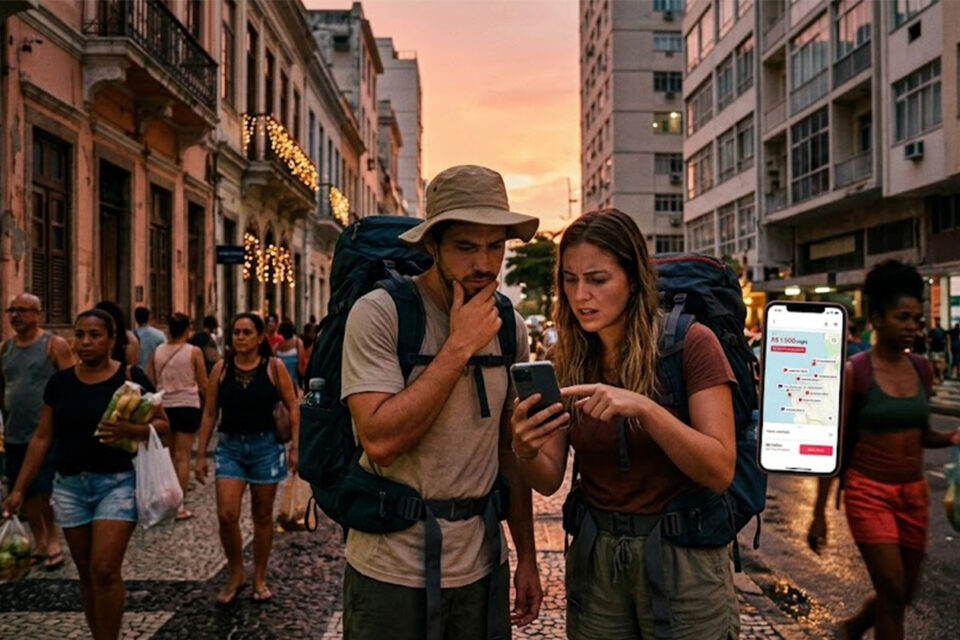
As holiday planners scramble to finalise itineraries, a South America travel crisis is unfolding across the Southern Cone. Official data reveals that rising prices of Airbnb in December across Brazil and Argentina are creating unprecedented hurdles for tourists aiming to secure accommodation. Driven by soaring demand, currency fluctuations, and hyper-inflationary pressures, short-term rental costs have spiked dramatically. This alarming trend threatens to price out budget-conscious explorers and disrupt regional tourism economies just as peak summer travel kicks off. Understanding these market shifts is crucial for anyone navigating upcoming holiday bookings across these iconic South American destinations.
Background on South American Short-Term Rentals
The short-term rental landscape in South America has undergone a massive transformation over the past decade. Platforms like Airbnb transitioned from niche alternatives into core pillars of the hospitality ecosystem in countries like Brazil and Argentina. According to official hospitality metrics and regional tourism boards, urban hubs like Buenos Aires, Rio de Janeiro, and São Paulo witnessed exponential growth in property listings.
However, structural economic changes, shifting monetary policies, and local housing market regulations have steadily altered the supply-demand equilibrium. While short-term rentals initially offered an affordable alternative to traditional hotels, evolving economic realities have left properties vulnerable to speculative pricing, particularly during peak holiday periods.
Latest Official Developments in December 2026
Verified figures compiled as of October 2026 indicate a sharp upward trajectory in nightly rates across key tourist corridors. In major Brazilian coastal markets such as Rio de Janeiro, Florianópolis, and Salvador, average daily rates (ADR) for short-term rentals have climbed significantly compared to previous years.
Concurrently, Argentina’s key destinations—including Buenos Aires, Mendoza, and Bariloche—are experiencing severe pricing adjustments. The convergence of high seasonal demand for the Southern Hemisphere summer and macroeconomic pressures has exacerbated the accommodation booking crisis in South America. Travelers attempting to secure holiday stays are encountering rates that far exceed historical seasonal averages.
Government Announcements and Regulatory Responses
National authorities and municipal governments are closely monitoring the disruption. Ministries of tourism in both nations have engaged with consumer protection agencies to evaluate the transparency of platform fees and cleaning surcharges.
While neither government has instituted outright caps on short-term rental pricing, several municipalities are enforcing stricter registration requirements for hosts. These policy updates aim to balance residential housing availability with tourism demands, though property owners often pass compliance and operational costs directly onto consumers, fueling further price acceleration ahead of the holiday rush.
Official Statistics and Market Data
Comprehensive analytics from official tourism statistics offices and verified hospitality databases highlight the scale of the surge:
- Rio de Janeiro Active Listings: Over 38,000 active properties maintain an average daily rate exceeding $90 to $121 USD, driven by intense coastal demand.
- São Paulo Metrics: Urban short-term rentals show high occupancy rates hovering near 60%, maintaining strong pricing floors.
- Argentine Metropolitan Corridors: Buenos Aires premium apartments have seen compound nightly rate adjustments tracking well above baseline inflation metrics, severely impacting foreign and domestic holidaymakers alike.
- Occupancy vs. Affordability: Despite soaring prices, occupancy forecasts for mid-December remain robust, driven by advance bookings made earlier in the year by international travelers wielding stronger foreign currencies.
Policy Implications for Regional Tourism
The rapid inflation of short-term rental prices carries profound policy implications. National tourism boards are expressing concern over the potential displacement of middle-class domestic travelers who traditionally rely on vacation rentals during the summer school holidays.
Furthermore, urban planners are scrutinizing the concentration of Airbnb listings in prime neighborhoods, noting how unchecked short-term letting exacerbates long-term rental shortages for local residents. Regulators face the delicate task of protecting local housing markets without crippling the lucrative tourism sector that injects billions into local economies.
Industry Impact on Hospitality and Travel Sectors
The ripple effects of expensive holiday rentals extend far beyond individual travelers. Traditional hoteliers are capitalizing on the Airbnb pricing squeeze by adjusting their own tariffs, effectively lifting the cost floor for the entire accommodation sector.
Airlines, ground transportation providers, and tour operators are noting shifts in booking patterns. Many tourists are shortening their stays, opting for lesser-known secondary destinations, or booking traditional hotels that currently offer better price predictability compared to volatile private rentals.
Economic Implications for Local Economies
Tourism represents a vital engine of GDP growth for both Brazil and Argentina. The escalation of accommodation expenses alters tourist spending behavior. While higher nightly rates boost gross revenues for property owners and select management agencies, they may diminish auxiliary spending on dining, excursions, and retail goods as travelers exhaust their budgets merely securing a place to sleep.
Economists warn that pricing out regional tourists could lead to uneven economic distribution, benefiting elite property holders while starving small local businesses of middle-market customer traffic.
Tourism, Business, and Public Impact
For international business travelers and digital nomads, December represents a notoriously difficult window for relocation or extended stays in the Southern Cone. Public sentiment across consumer forums reflects growing frustration.
Tourists planning end-of-year celebrations in iconic hotspots like Copacabana or Palermo are being forced to compromise on accommodation quality, scale back trip durations, or abandon their travel plans entirely. The public impact underscores a widening divide between luxury tourism development and accessible regional travel.
Official Statements
Representatives from regional tourism boards have issued advisories encouraging travelers to book well in advance or explore alternative micro-destinations. Official statements emphasize that market forces, combined with peak seasonal demand, are the primary drivers behind the current pricing environment. Authorities have urged consumers to use verified booking platforms and remain vigilant against fraudulent listings capitalizing on high search volumes.
Future Outlook
Looking beyond December 2026, industry analysts anticipate that short-term rental markets in Brazil and Argentina will undergo structural corrections. As regulatory frameworks mature and additional housing inventory comes online, price growth may moderate. However, for the immediate holiday season, travelers must prepare for elevated costs, constrained availability, and heightened competition for quality properties across both nations.
The post Brazil and Argentina Airbnb Price Surge Threatens Winter Travel as Bookings Soar Insurmountably Leaving Tourists in a Shocked State appeared first on Travel And Tour World.
