
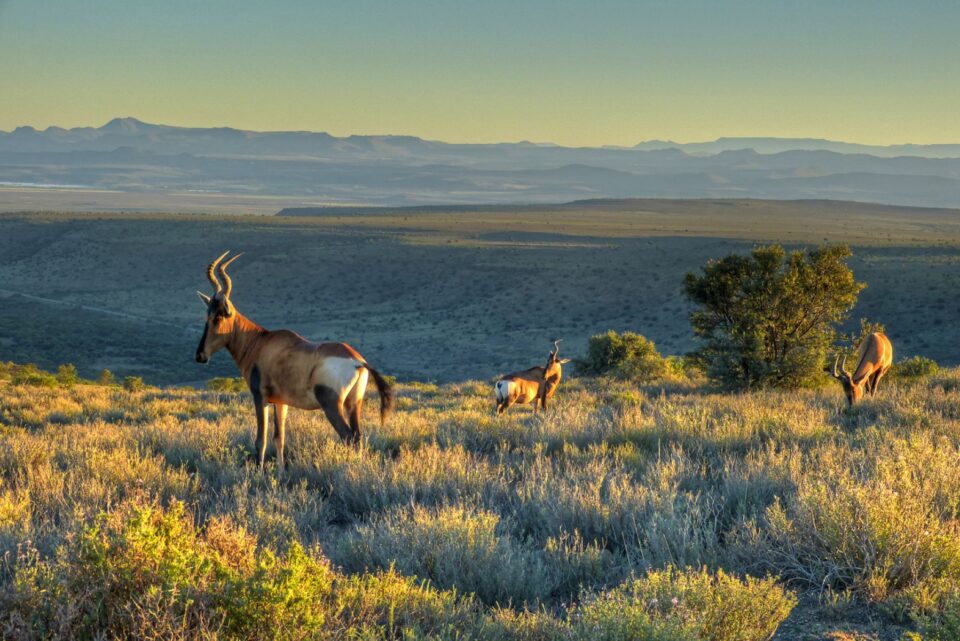
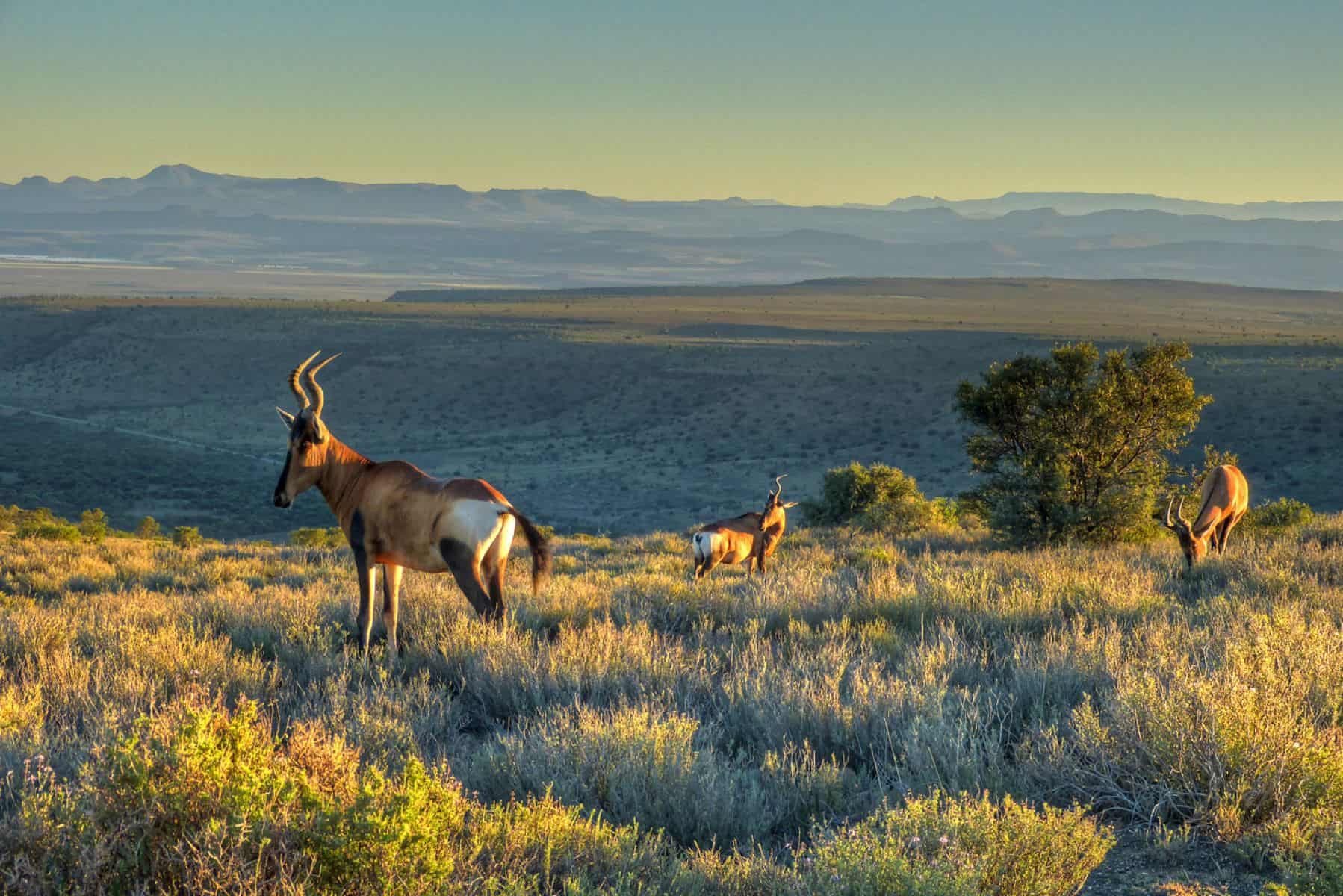
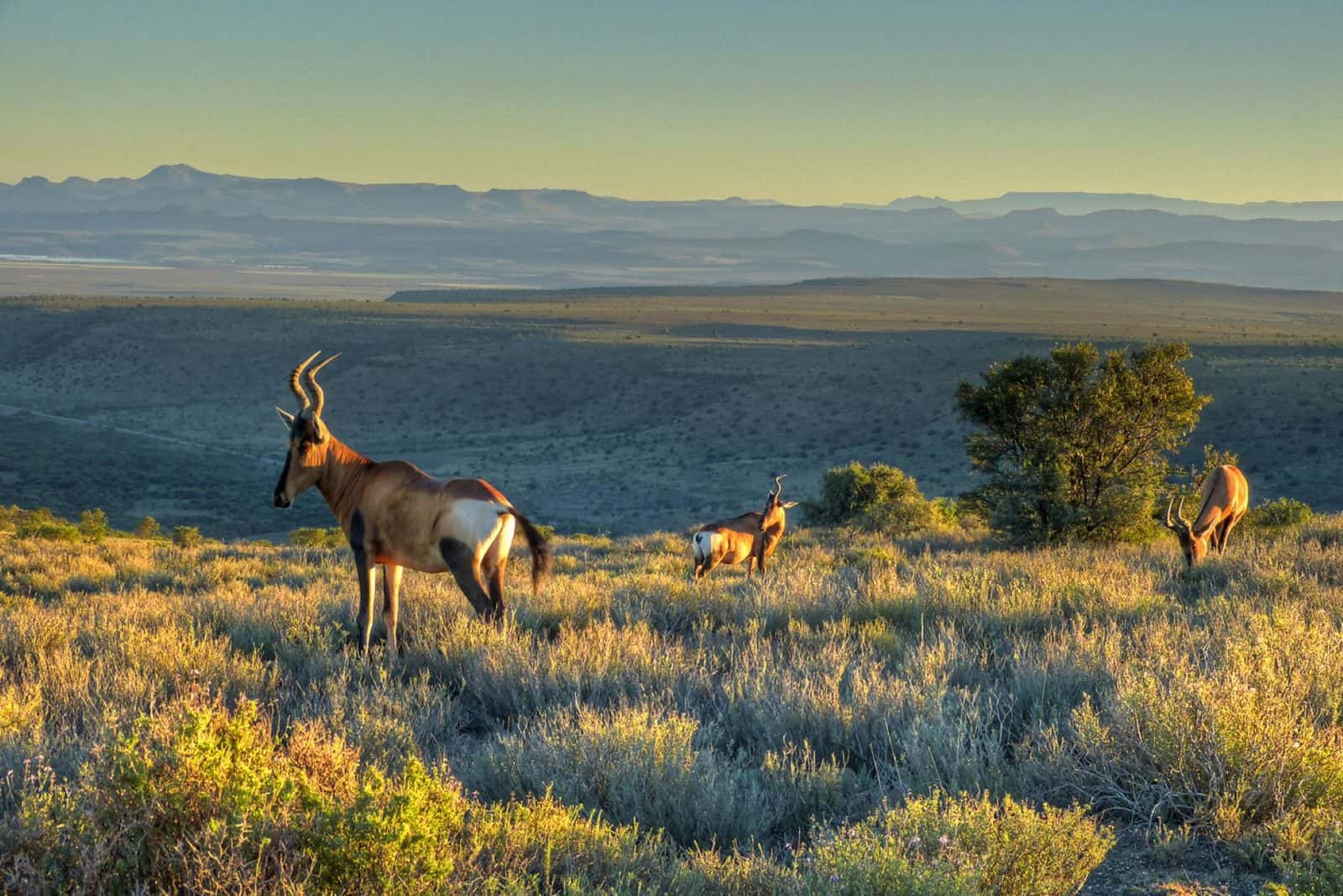
South Africa has formally declared the 10,225-hectare Grasslands National Park in Eastern Cape, strengthening biodiversity conservation and boosting ecotourism potential in one of the country’s important highland landscapes. Located between Nqanqarhu and Rhodes, the protected area introduces a land stewardship approach that combines environmental protection with sustainable agriculture. Managed by South African National Parks (SANParks), the destination offers long-term opportunities for nature-based travel, conservation tourism and rural economic development. For global tourism, the declaration reinforces South Africa’s commitment to protecting natural landscapes while creating opportunities for responsible visitor experiences, community participation and sustainable destination development across the Eastern Cape region.
How Does South Africa’s New Grasslands National Park Strengthen Eastern Cape Conservation?
The formal establishment of Grasslands National Park represents an important expansion of South Africa’s protected-area network. SANParks confirmed the declaration on 9 October 2026, following the completion of the statutory process required under national environmental legislation. The park comprises 18 properties covering precisely 10,225.9242 hectares in the Eastern Cape highlands. Its location between Nqanqarhu and Rhodes places it within an environmentally significant grassland landscape. Unlike conventional protected areas centred on government-owned land, the new park incorporates voluntary conservation agreements with participating landowners. This arrangement creates a framework for protecting natural ecosystems while maintaining compatible economic activities across the surrounding agricultural landscape.
- The park received formal national park status in October 2026.
- Its declared area covers 10,225.9242 hectares.
- The protected landscape incorporates 18 properties.
- SANParks serves as the designated management authority.
- The declaration strengthens formal protection of Eastern Cape grasslands.
| Key indicator | Verified information |
|---|---|
| National park | Grasslands National Park |
| Province | Eastern Cape, South Africa |
| Declaration announcement | 9 October 2026 |
| Official area | 10,225.9242 hectares |
| Properties | 18 |
| Government notice | No. 8002 |
| Government Gazette | No. 55531 |
Why Is the Grasslands National Park Declaration Important for South Africa’s Protected Areas?
The declaration follows the National Environmental Management: Protected Areas Act, 2003, which establishes the legal framework for protected-area management in South Africa. The government published its intention to declare the park in 2025 before completing the statutory requirements. SANParks now holds management responsibility under Section 38(1)(aA) of the legislation. This legal transition provides a formal foundation for conservation planning, biodiversity management and cooperation with participating landowners. It also advances the country’s broader objective of expanding protection for ecosystems that remain underrepresented within existing national parks, particularly the ecologically significant grassland biome of the Eastern Cape highlands.
- The declaration follows the Protected Areas Act, 2003.
- A notice of intention preceded the final declaration.
- The park now holds formal statutory protection.
- SANParks has responsibility for park management.
- Grassland conservation forms a central purpose of the designation.
| Legal component | Details |
|---|---|
| Governing legislation | National Environmental Management: Protected Areas Act |
| Legislation year | 2003 |
| Relevant management provision | Section 38(1)(aA) |
| Declaration notice | Government Notice 8002 |
| Gazette reference | 55531 |
| Managing organisation | SANParks |
How Does Biodiversity Stewardship Make Grasslands National Park Different?
Grasslands National Park introduces a distinctive conservation approach based primarily on biodiversity stewardship. Under this model, participating private landowners retain ownership of their properties while committing to conservation and management agreements. Agricultural production can continue where activities remain compatible with ecological protection. The arrangement differs from traditional approaches that depend heavily on public acquisition of protected land. SANParks identifies the project as the first South African national park established primarily through this stewardship model. The system allows conservation management to extend across a working rural landscape, connecting environmental protection with existing agricultural livelihoods and creating a foundation for long-term cooperation between landowners and conservation authorities.
- Landowners retain ownership of participating properties.
- Conservation commitments operate through agreed arrangements.
- Compatible agricultural activities may continue.
- SANParks coordinates national park management.
- The model combines biodiversity protection with productive land use.
| Conservation feature | Stewardship arrangement |
|---|---|
| Land ownership | Retained by participating landowners |
| Participation | Agreement-based |
| Agricultural activities | Permitted when conservation-compatible |
| Ecological responsibility | Governed by conservation arrangements |
| National park management | SANParks |
| Principal objective | Long-term biodiversity protection |
Why Is the Eastern Cape Drakensberg Strategic Water Source Area Essential for Biodiversity?
Grasslands National Park protects part of the Eastern Cape Drakensberg Strategic Water Source Area, an important landscape for freshwater availability and ecosystem stability. Mountain grasslands contribute to natural water regulation, while healthy vegetation and soils help maintain catchment functions. SANParks identifies water security as a central reason for protecting this landscape. The wider Eastern Grasslands Mega Living Landscape covers approximately 1.5 million hectares, according to SANParks planning documentation. Within that broader landscape, strategic water source areas account for approximately 943,374 hectares. These figures describe the wider conservation landscape rather than the newly declared national park itself.
- The park protects part of a strategic water source area.
- Grassland conservation supports natural catchment functions.
- The wider landscape has regional water-security importance.
- Biodiversity management can support ecosystem resilience.
- Water protection forms a major environmental objective.
| Environmental indicator | Official planning information |
|---|---|
| Water source landscape | Eastern Cape Drakensberg |
| Broader conservation initiative | Eastern Grasslands Mega Living Landscape |
| Wider landscape footprint | Approximately 1.5 million hectares |
| Strategic water source area coverage | Approximately 943,374 hectares |
| Share of wider landscape | Approximately 57%, as reported in planning documentation |
| Main conservation priorities | Biodiversity, water security and ecosystem management |
What Makes South Africa’s Eastern Cape Grasslands an Important Natural Heritage Landscape?
The Eastern Cape highlands contain grassland ecosystems that remain comparatively underrepresented in South Africa’s protected-area network. Their conservation significance extends beyond scenery because these habitats contribute to biodiversity, ecological connectivity and water regulation. SANParks previously identified the wider landscape as rich in biodiversity and endemic species. Its mountainous setting near the Lesotho border also provides an important geographical connection between conservation areas and working agricultural land. Protecting these ecosystems can support long-term environmental management, including habitat restoration and appropriate grazing practices. The new national park therefore contributes to landscape-scale conservation rather than functioning solely as an isolated wildlife destination.
- Grasslands are among South Africa’s less-protected ecosystems.
- The wider highland landscape supports indigenous biodiversity.
- Conservation includes ecological processes beyond wildlife protection.
- The park forms part of a larger mountainous environment.
- Sustainable land management can help maintain habitat quality.
| Natural heritage feature | Conservation relevance |
|---|---|
| Grassland biome | Underrepresented in protected areas |
| Mountainous landscape | Supports highland ecological systems |
| Indigenous biodiversity | Habitat conservation |
| Working agricultural land | Sustainable land-use management |
| Water catchments | Freshwater ecosystem protection |
| Ecological connectivity | Landscape-scale conservation |
How Does SANParks’ Vision 2040 Support Sustainable Conservation and Rural Development?
SANParks’ Vision 2040 provides a strategic framework for connecting protected areas with neighbouring communities, biodiversity conservation and sustainable economic activity. Its 2024/25 annual report identifies Grasslands National Park as part of this broader landscape approach. The report outlines conservation financing opportunities involving grassland restoration, invasive plant management, grazing practices and soil-carbon improvements. It also records work with SANParks’ Tourism Division to support local homestays and tourism enterprises. These initiatives show how conservation planning can extend beyond protected-area boundaries. However, proposed financing mechanisms and tourism development activities should not be interpreted as completed visitor infrastructure or confirmed commercial operations.
- Vision 2040 links conservation with inclusive development.
- Grassland restoration forms part of sustainability planning.
- Invasive plant management is an identified conservation activity.
- Tourism enterprise support features in SANParks planning.
- Sustainable financing remains important for long-term management.
| Strategic area | Identified approach |
|---|---|
| National framework | SANParks Vision 2040 |
| Landscape conservation | Mega Living Landscape approach |
| Ecological restoration | Grassland rehabilitation |
| Land management | Fire and grazing management |
| Financing exploration | Carbon finance and biodiversity mechanisms |
| Tourism development | Local homestays and enterprises |
How Could Grasslands National Park Support South Africa’s Sustainable Tourism Industry?
The declaration creates a potential foundation for expanding nature-based tourism in the Eastern Cape’s mountainous interior. SANParks identified adventure and cultural tourism opportunities in its earlier planning for the grasslands conservation initiative. The area’s rural character, mountainous terrain and natural landscapes could support guided walking, landscape photography, environmental education and locally operated tourism experiences where appropriate access is established. Such development would require visitor-management arrangements consistent with conservation objectives and landowner agreements. Crucially, the park’s legal declaration does not establish that public hiking trails, accommodation, ticketing facilities or guided visitor activities are already operating. These services require separate official confirmation.
- Nature-based tourism represents a potential development opportunity.
- Adventure and cultural tourism feature in earlier SANParks planning.
- Local enterprises could benefit from future visitor activity.
- Conservation requirements will influence tourism development.
- Public access and visitor facilities remain unconfirmed.
| Tourism segment | Potential relevance |
|---|---|
| Ecotourism | Grassland conservation experiences |
| Adventure tourism | Guided outdoor activities, subject to approval |
| Cultural tourism | Local heritage experiences |
| Rural tourism | Community-based accommodation and services |
| Educational tourism | Conservation learning |
| Photography tourism | Highland landscape photography |
What Could Grasslands National Park Mean for International Travellers and Airline Connectivity?
Grasslands National Park adds a potential future attraction to South Africa’s Eastern Cape tourism portfolio. International visitors seeking conservation-focused holidays may eventually be able to combine established destinations with experiences in the province’s highland interior. However, no official evidence reviewed establishes new airline routes, additional flight frequencies or direct aviation investment resulting from the declaration. Any airline-related benefit would depend on future visitor demand, destination accessibility and tourism infrastructure. Travellers should therefore distinguish between the park’s confirmed protected status and its possible future commercial tourism role. At present, the declaration is principally a conservation milestone with longer-term destination-development potential.
- The park could diversify the Eastern Cape’s future tourism offering.
- International ecotourism represents a potential visitor market.
- No new airline services have been linked officially to the declaration.
- Transport accessibility will influence future tourism development.
- Tourism growth remains prospective rather than demonstrated.
| Travel consideration | Current assessment |
|---|---|
| International tourism relevance | Potential future nature-based attraction |
| Airline route announcements | None verified in connection with the park |
| Visitor demand forecast | Not officially established |
| Commercial tourism operations | Not confirmed |
| Future opportunity | Conservation-led regional tourism |
| Main constraint | Visitor access and infrastructure require confirmation |
What Should Tourists Know Before Planning a Visit to Grasslands National Park?
Travellers interested in Grasslands National Park should recognise the difference between a formally declared protected area and a fully operational tourist destination. SANParks has confirmed the park’s establishment and management arrangements, but the official declaration does not provide entrance tariffs, opening hours, booking procedures or confirmed visitor facilities. Prospective visitors should consult SANParks before arranging travel to the highlands between Nqanqarhu and Rhodes. Because participating properties remain under stewardship arrangements, visitors should not assume unrestricted access across privately owned land. Responsible tourism planning should prioritise authorised access, conservation requirements and accurate information about available accommodation, transport and guided activities.
- The park has formally declared national park status.
- Public opening arrangements have not been verified.
- Official entrance fees are not confirmed.
- Accommodation and guided activities require verification.
- Visitors should obtain SANParks guidance before travelling.
| Visitor information | Verified position as of 13 October 2026 |
|---|---|
| National park status | Formally declared |
| Public opening date | Not confirmed |
| Entrance fees | Not confirmed |
| Online ticket booking | Not confirmed |
| Official accommodation | Not confirmed |
| Guided activities | Not confirmed |
| Visitor information authority | SANParks |
How Could the New National Park Shape the Future of Eastern Cape Ecotourism?
The long-term tourism significance of Grasslands National Park lies in the possibility of combining ecological protection with carefully managed rural visitor experiences. SANParks has already identified local homestays and tourism enterprises within its broader planning work, creating a potential link between conservation management and community economic participation. Future tourism initiatives would need to respect private landownership, biodiversity objectives and the environmental sensitivity of the highland landscape. Successful destination development would also depend on access arrangements, visitor services and appropriate infrastructure. The park’s designation therefore establishes a conservation foundation, while the scale and timing of future tourism benefits remain uncertain.
- The declaration creates a basis for future conservation tourism.
- Local homestays feature in SANParks’ development planning.
- Tourism activities must remain compatible with ecological protection.
- Landowner cooperation will be important for visitor access.
- Economic benefits depend on future implementation and demand.
| Development priority | Potential tourism impact |
|---|---|
| Conservation management | Protection of the destination’s natural assets |
| Visitor access planning | Safer, authorised travel experiences |
| Local enterprise support | Opportunities for rural tourism businesses |
| Environmental education | Conservation-focused visitor activities |
| Tourism infrastructure | Potential improvement in destination readiness |
| Landowner participation | Coordination of compatible visitor activities |
Conclusion: What Does Grasslands National Park Mean for South Africa’s Tourism Future?
South Africa’s decision to declare Grasslands National Park in the Eastern Cape strengthens its approach to biodiversity protection while boosting ecotourism potential. The initiative demonstrates how conservation authorities and landowners can cooperate to protect natural landscapes without necessarily ending productive agricultural activities. Its significance also extends to water security, rural livelihoods and responsible destination development. For travellers, the park represents an emerging conservation landscape rather than an established visitor attraction. Future tourism opportunities will depend on appropriate management, infrastructure and public access arrangements. The declaration ultimately creates a foundation for connecting environmental protection with sustainable tourism development across South Africa.
The post South Africa Declares New Grasslands National Park in Eastern Cape, Opening New Ecotourism Opportunities appeared first on Travel And Tour World.
