
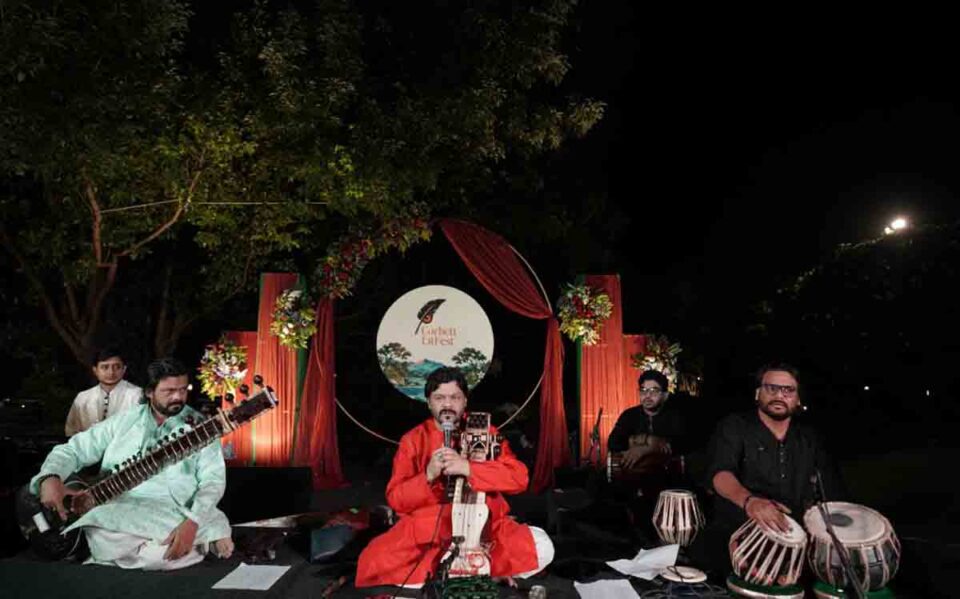
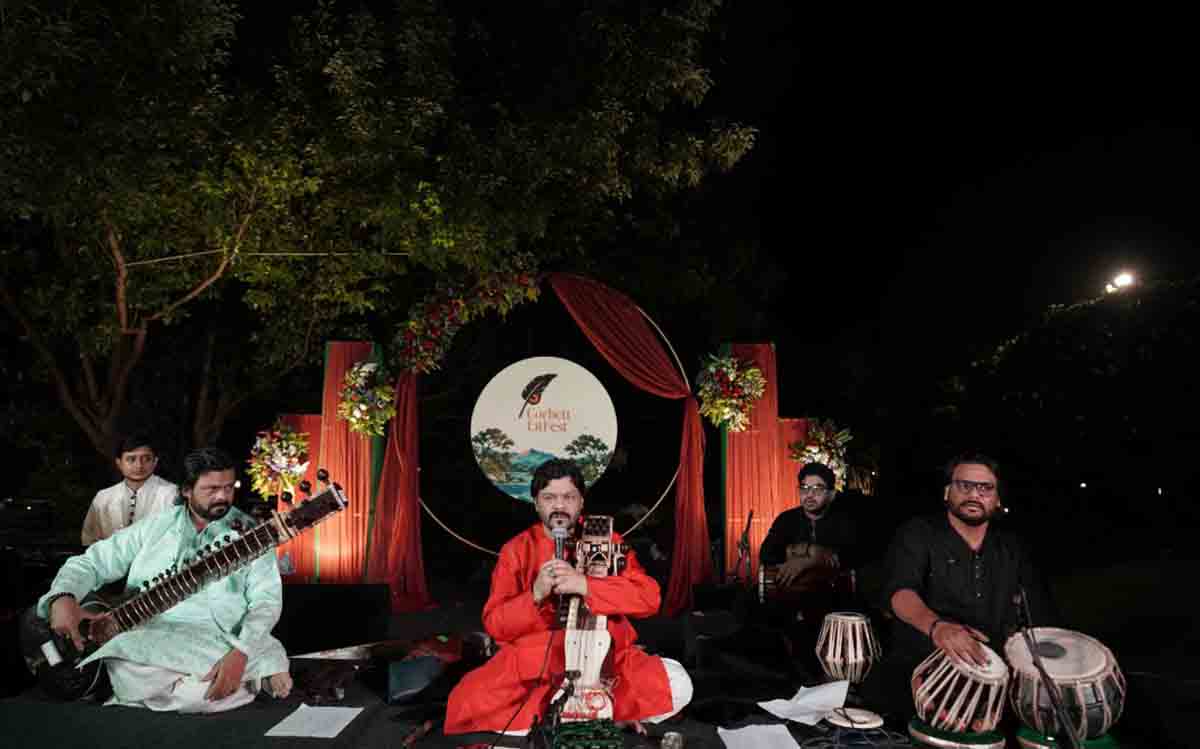
Corbett Literature Festival Opens New Chapter for Wildlife Conservation and Responsible Tourism in India, bringing writers, environmentalists, hospitality leaders and local communities together in Uttarakhand. Held from 6 to 8 October 2026, the inaugural gathering explored how cultural preservation, ecological protection and sustainable visitor experiences can shape Corbett’s future.
Corbett Literature Festival Brings Conservation and Tourism Together
India’s Corbett landscape has long occupied a distinctive place in the country’s conservation history. Established in 1936, Jim Corbett National Park became India’s first national park, while the surrounding landscape subsequently emerged as an important centre for tiger protection, wildlife research and nature-based tourism.
The region also played a significant role in the launch of Project Tiger in 1973, when Corbett was among the original nine tiger reserves selected for the national conservation programme.
Nearly a century after the park’s establishment, the inaugural Corbett Literature Festival has introduced a new platform for discussing the relationship between environmental protection, cultural identity and tourism development.
Held between 6 and 8 October 2026, the three-day festival brought together writers, conservationists, scientists, photographers, historians, artists, hospitality representatives and members of local communities.
Supported by the Uttarakhand Tourism Development Board, the gathering featured more than 20 conversations involving over 30 speakers. Discussions examined wildlife conservation, human-wildlife coexistence, Himalayan ecology, Uttarakhand’s cultural traditions and the responsibilities of businesses operating near protected natural areas.
The festival was inaugurated by the state’s Forest Minister and concluded with the participation of a local Member of the Legislative Assembly, reflecting its engagement with regional public leadership.
Rather than concentrating exclusively on literature, the programme considered how storytelling, research and community knowledge could contribute to a more responsible future for Corbett.
Why the Festival Matters for Uttarakhand Tourism
Uttarakhand is recognised for its Himalayan landscapes, pilgrimage destinations, forests, wildlife reserves and outdoor tourism experiences.
Within this wider tourism economy, Corbett attracts visitors interested in wildlife safaris, nature photography, birdwatching, forest landscapes and leisure stays.
These activities create commercial opportunities for accommodation providers, guides, transport operators and other tourism businesses. However, tourism development around ecologically sensitive areas also raises questions about environmental management, infrastructure, visitor behaviour and community participation.
The Corbett Literature Festival addressed these interconnected issues by encouraging participants to examine tourism beyond visitor numbers and commercial growth.
Its central proposition was that destinations should protect the natural and cultural resources on which their tourism economies depend.
For the hospitality industry, this approach highlights the importance of environmental responsibility, collaboration with local communities and long-term destination management.
For travellers, it introduces a broader understanding of responsible tourism, where the quality of an experience is linked to respect for wildlife, local traditions and natural habitats.
The festival therefore provided an opportunity to connect conservation thinking with practical discussions about the future of Uttarakhand’s visitor economy.
Literature and Wildlife Conservation Share a Long History in Corbett
Corbett’s association with environmental storytelling predates modern tourism campaigns.
The writings of Jim Corbett introduced generations of readers to the forests, wildlife and communities of the Himalayan foothills.
His accounts helped establish the region’s literary identity, while the natural history photography of F. W. Champion contributed to early documentation of India’s wildlife.
Their work demonstrated how observation, photography and storytelling could shape public understanding of natural environments.
The inaugural festival sought to build on this legacy while expanding the range of perspectives represented in discussions about Corbett.
Its programme was organised around four broad themes: Nature and Wildlife, The Himalayas, Uttarakhand, and Culture and Heritage.
These themes recognised that Corbett’s identity extends beyond its wildlife population.
The landscape also contains communities with distinctive traditions, livelihoods, oral histories, food cultures and relationships with forests.
By incorporating these subjects, the festival encouraged participants to consider how cultural preservation and environmental conservation can reinforce one another.
This wider interpretation of conservation is particularly relevant to tourism destinations where the natural environment and local communities are closely connected.
Conservationists, Writers and Photographers Lead Discussions
The festival assembled speakers from several fields associated with India’s environmental and cultural landscape.
Conservationists Prerna Singh Bindra, Sanjay Gubbi, Vijay Dhasmana and Raza Kazmi contributed to a programme focused on wildlife protection, ecological understanding and the challenges surrounding conservation.
Writers and naturalists Neha Sinha and Stephen Alter were among the literary voices represented.
Wildlife photographers and explorers Dhritiman Mukherjee, Anup Shah and Akash Das brought perspectives associated with visual storytelling and documenting natural environments.
The programme also included historian Shekhar Pathak, food historian Pushpesh Pant, folk musician Madhuri Barthwal and environmental campaigner Kalyan Singh Rawat.
Their participation broadened the discussions beyond conventional wildlife tourism.
Subjects such as regional food, folk traditions, oral histories and cultural identity formed part of the festival’s wider examination of Uttarakhand.
Representatives associated with conservation administration, including Saket Badola, Praveen Pardeshi and Samir Sinha, were also named in the programme.
Bringing together these different disciplines allowed the gathering to explore how ecological knowledge, cultural memory and public engagement can contribute to destination stewardship.
It also reinforced the role of literature and creative expression in communicating complex environmental issues to wider audiences.
Corbett Tiger Reserve Leadership Calls for Balanced Tourism Growth
Saket Badola, Field Director of Corbett Tiger Reserve and Festival Director of the Corbett Literature Festival, emphasised the importance of cooperation between public authorities and tourism businesses.
He identified responsible tourism as an essential part of the region’s future, particularly where visitor development intersects with wildlife protection and community interests.
Badola said: “Corbett’s future lies in finding the right balance between conservation and responsible tourism. The government and the hospitality sector have an important role to play in working together to improve the visitor experience while ensuring that tourism remains sensitive to the needs of the park, its wildlife and surrounding communities.”
His statement reflects an important challenge facing wildlife destinations: improving tourism experiences without compromising the ecological conditions that make those destinations attractive.
Badola also stressed that the responsibilities discussed during the festival should continue beyond the event itself.
This distinction is important because responsible destination management depends on sustained cooperation rather than occasional awareness campaigns.
Tourism businesses, conservation authorities and surrounding communities all have different roles in protecting the landscape.
The festival offered a shared platform through which these interests could be discussed.
Three Hospitality Partners Support the Festival Across Corbett
A distinctive feature of the inaugural Corbett Literature Festival was its collaboration with three independent hospitality businesses.
The Riverview Retreat, Aahana Resort & Spa and The Golden Tusk hosted different parts of the programme, connecting the festival’s discussions with the tourism industry operating in the region.
Their participation illustrated how accommodation providers can support destination-level initiatives beyond their everyday hospitality services.
Instead of functioning solely as venues, the properties positioned themselves as stakeholders in Corbett’s environmental and cultural future.
The partnership also highlighted the potential for independent hospitality businesses to work together on issues that affect the wider destination.
Such cooperation can help create opportunities for conservation awareness, cultural programming and engagement with surrounding communities.
The Riverview Retreat Connects Hospitality With Community Responsibility
Located beside the Kosi River, The Riverview Retreat hosted the opening day of the festival.
The property’s involvement reflected its long association with Corbett’s tourism landscape.
Karam Srivastava, Promoter of The Riverview Retreat, described the gathering as an opportunity to strengthen the property’s commitment to environmental responsibility and regional engagement.
He said:
“Hosting the inaugural Corbett Literature Festival has strengthened our resolve to give back to the region through more responsible tourism, sustainable practices and greater conservation awareness.”
Srivastava also expressed an intention to work with neighbouring villages and hospitality establishments to extend the festival’s positive influence beyond the property.
This approach places community relationships within the broader discussion of tourism sustainability.
For destinations such as Corbett, collaboration between businesses and neighbouring settlements can help connect tourism development with local economic and cultural priorities.
Aahana Resort & Spa Highlights the Responsibilities of Tourism Businesses
Aahana Resort & Spa hosted discussions centred on conservation, wildlife and responsible tourism.
The property’s participation reflected the growing importance of environmental stewardship within nature-based hospitality.
Ayu Tripathi, Promoter of Aahana Resort & Spa, described hospitality businesses as custodians of the landscapes in which they operate.
Tripathi said: “Aahana has always believed that being a hospitality business in Corbett comes with a responsibility beyond welcoming guests. We are custodians of a landscape, and the future of tourism here depends on how thoughtfully we grow alongside it.”
The statement highlights a significant consideration for tourism operators working near protected natural environments.
Their commercial activities are closely linked to the condition of surrounding ecosystems.
Long-term tourism competitiveness therefore depends not only on accommodation quality and visitor services but also on the protection of the destination itself.
Aahana’s involvement placed these responsibilities within a wider discussion involving conservationists, communities, travellers and business leaders.
The Golden Tusk Supports Cultural Preservation and Visitor Experiences
The Golden Tusk hosted another part of the festival, contributing to conversations about the relationship between people, nature and tourism.
Anirudh Lakhotia, Promoter of The Golden Tusk, welcomed the opportunity to support a platform addressing environmental and cultural priorities.
He said: “It’s a privilege to have been associated with the Corbett Literature Festival which brings conversations about nature conservation, cultural preservation & responsible tourism to centrestage.”
Lakhotia also expressed the expectation that the festival could encourage practical initiatives aimed at improving traveller experiences.
The property’s participation added another hospitality perspective to discussions about how Corbett can develop as a tourism destination while respecting its environmental setting.
Together, the three venues demonstrated a collaborative approach to hosting cultural programming across the region.
Local Communities and Cultural Heritage Become Central to Tourism Discussions
One of the festival’s principal messages was that conservation cannot be separated from the people living around protected landscapes.
Communities contribute to the cultural identity of destinations through traditional knowledge, regional food, music, craftsmanship, oral histories and everyday relationships with the natural environment.
These cultural resources are also important to the visitor experience.
For Corbett, protecting wildlife habitats while recognising surrounding communities creates an opportunity to develop tourism that is environmentally sensitive and socially inclusive.
The festival’s cultural programming acknowledged this relationship by bringing regional voices into conversations often dominated by wildlife management and visitor infrastructure.
The participation of cultural practitioners and historians helped establish that Uttarakhand’s heritage is not simply an additional tourism attraction.
It forms part of the destination’s identity and deserves consideration in long-term development decisions.
Community involvement can also support more meaningful visitor experiences by helping travellers understand the region beyond conventional sightseeing activities.
However, translating these discussions into lasting benefits will require continued engagement, practical initiatives and opportunities for local participation.
Responsible Tourism Could Shape Corbett’s Long-Term Visitor Economy
The inaugural festival took place against a wider backdrop of tourism expansion and infrastructure development across India.
For environmentally sensitive destinations, growth presents both opportunities and responsibilities.
Additional tourism activity can support employment, entrepreneurship and regional investment.
At the same time, poorly managed development can place pressure on natural resources, wildlife habitats and local infrastructure.
The Corbett Literature Festival encouraged a broader definition of tourism success, one that considers environmental protection, cultural continuity and community welfare alongside economic activity.
Its discussions also highlighted the potential role of tourism businesses in supporting awareness and cooperation across the destination.
For travel industry stakeholders, this approach offers a framework for considering the long-term value of conservation-led tourism.
The festival’s organisers envision the gathering as an annual platform rather than a one-off event.
If sustained, it could provide a recurring opportunity for writers, scientists, conservation professionals, hospitality businesses and community representatives to exchange knowledge and examine emerging challenges.
Its longer-term significance will depend on whether these conversations lead to continued cooperation and measurable action.
The post Corbett Literature Festival Opens New Chapter for Wildlife Conservation and Responsible Tourism in India appeared first on Travel And Tour World.
