
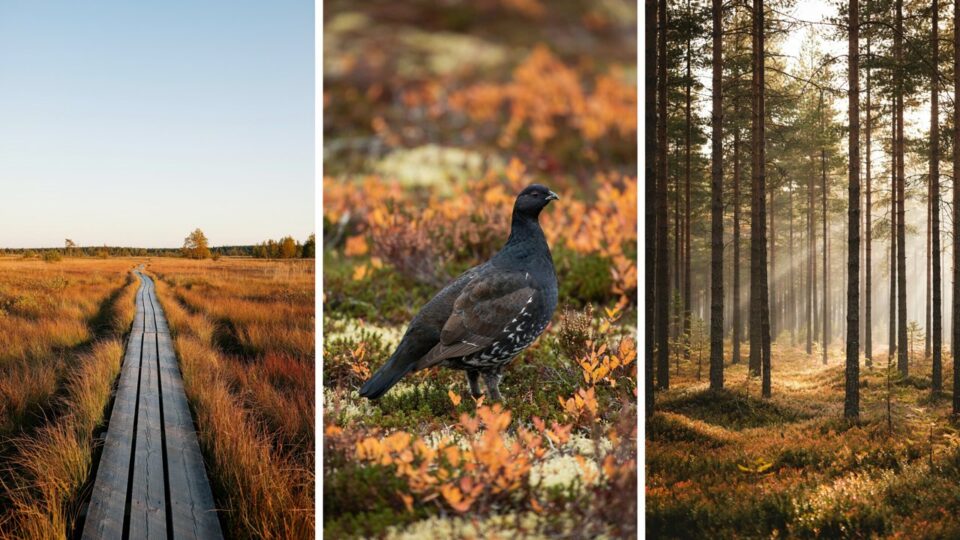
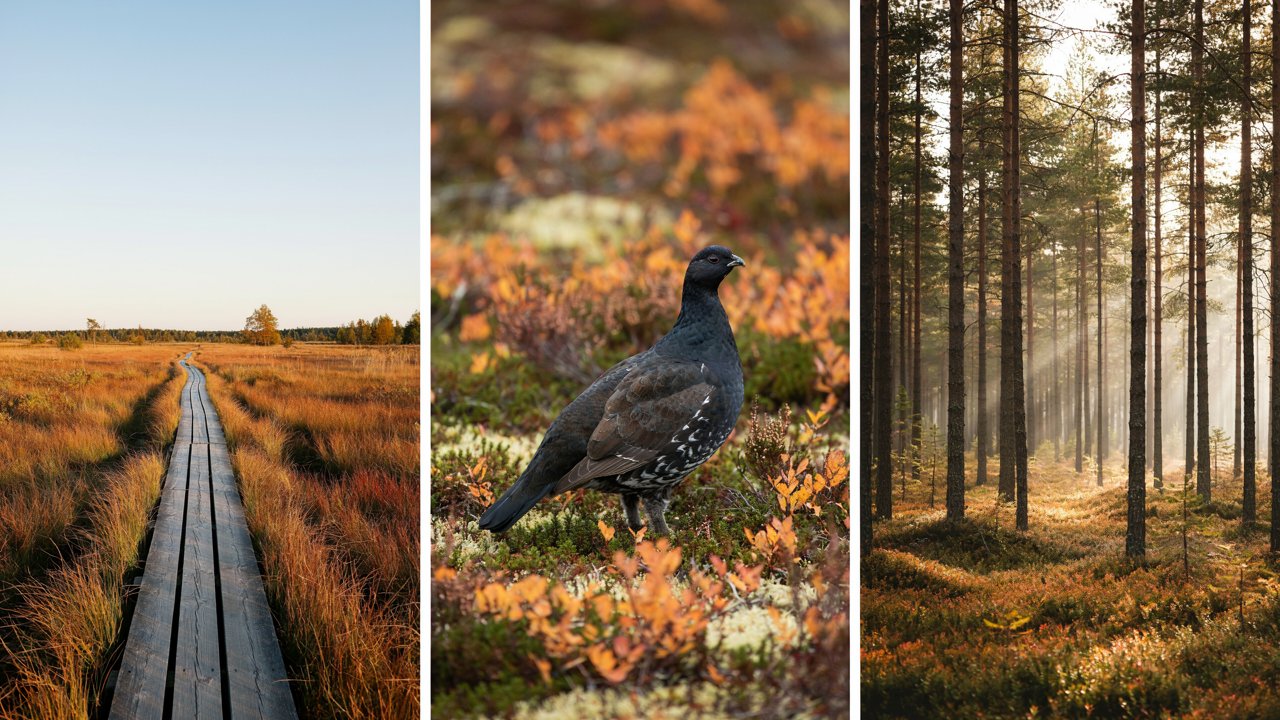
Finland is offering travellers an unusual autumn escape through Hiljaa Fest 2026, a free nature-focused festival held at Valkmusa National Park in Pyhtää from 10 to 31 October. Unlike traditional celebrations featuring live music, crowds and elaborate entertainment, this event places wetlands, wildlife and natural sounds at the centre of the experience. Visitors can explore thirteen featured natural attractions across four themed areas, discovering everything from black grouse and cranes to colourful mosses and autumn mist. With Helsinki serving as a convenient international gateway, the festival creates opportunities for nature lovers, photographers and families to discover Finland’s distinctive landscapes while exploring nearby destinations.
What Makes Hiljaa Fest 2026 Different From Conventional European Festivals?
Hiljaa Fest introduces a distinctive approach to outdoor entertainment by transforming an existing national park into a natural festival environment.
Rather than relying on musical performances or entertainment infrastructure, the event encourages visitors to appreciate the sounds, movements and seasonal changes of a protected ecosystem.
The organisers describe it as a pioneering nature-listening festival, where birds, plants, insects and weather phenomena become the attractions.
Its appeal lies in simplicity. Travellers can walk through peaceful surroundings, observe wildlife and appreciate the landscape without purchasing expensive admission tickets.
The event also reflects Finland’s growing visibility as a destination for outdoor recreation, environmental experiences and slower forms of travel.
Where Is Hiljaa Fest Taking Place in Finland?
The event takes place inside Valkmusa National Park, near Pyhtää in the Kymenlaakso region of southern Finland.
The national park protects extensive peatlands, forested wetlands and open mire environments that support specialised vegetation and wildlife.
Unlike Finland’s more familiar lake districts or northern winter destinations, Valkmusa offers a landscape dominated by moss-covered wetlands, scattered pine trees and expansive natural views.
The park’s raised wooden walkways enable visitors to explore sensitive terrain while reducing disturbance to fragile vegetation.
Its location also creates opportunities to combine a festival visit with sightseeing in Helsinki, Kotka and surrounding southern Finnish destinations.
What Are the Main Dates, Attractions and Visitor Benefits?
| Festival information | Details |
|---|---|
| Event | Hiljaa Fest 2026 |
| Destination | Valkmusa National Park |
| Municipality | Pyhtää |
| Country | Finland |
| Region | Kymenlaakso |
| Festival dates | 10–31 October 2026 |
| General admission | Free |
| Featured natural attractions | 13 |
| Themed festival areas | 4 |
| Main activities | Wildlife watching, walking, nature listening and photography |
| International gateway | Helsinki |
| Opening event | Limited to 30 lottery-selected participants |
| General programme | Self-guided outdoor exploration |
| Primary visitor appeal | Quiet landscapes, biodiversity and autumn scenery |
The general programme allows visitors to explore independently. The limited opening celebration on 10 October had separate arrangements, including organised transport for selected participants.
How Do Thirteen Natural Attractions Create an Unusual Festival Experience?
The festival introduces visitors to thirteen elements of the natural environment, presenting them as performers rather than conventional sightseeing attractions.
Birds such as black grouse and cranes represent the area’s wildlife. Sphagnum moss, cranberries, cloudberries and specialised wetland plants illustrate its ecological diversity.
Natural features such as wind and morning mist also form part of the programme.
This interpretation encourages travellers to appreciate details that might otherwise go unnoticed.
However, wildlife sightings and weather-dependent attractions cannot be guaranteed. Their appearance depends on seasonal conditions and natural behaviour.
The festival is therefore best understood as an opportunity to observe a living ecosystem rather than a scheduled entertainment programme.
Which Four Natural Stages Can Travellers Explore?
Hiljaa Fest divides its main nature experiences into four themed areas, each highlighting different characteristics of Valkmusa.
| Natural stage | Main attractions | Visitor experience |
|---|---|---|
| Räme 1A | Marsh Labrador tea and bog pines | Specialist peatland vegetation and unusual trees |
| Neva 2B | Sphagnum moss, cloudberries, sundew, cranberries, mist and wind | Open wetlands, seasonal colours and natural sounds |
| Simonsaari 3C | Black grouse, cranes and common lizards | Birdwatching and wildlife observation |
| Moronvuoren Korpisuo 4D | Forested wetlands and associated natural habitats | Contrasting woodland and mire scenery |
These stages are natural locations, not purpose-built concert venues. They provide a framework for understanding how different parts of the national park support varied ecosystems.
Why Is Valkmusa National Park Important for Finland’s Natural Heritage?
Valkmusa National Park protects a remarkable concentration of wetland environments.
According to Metsähallitus, Finland’s state-owned land and water manager, the park contains approximately forty different mire habitat types.
Such diversity is important because peatlands support specialised plants, birds and insects while contributing to natural water regulation and carbon storage.
The landscape has developed over thousands of years through complex ecological processes.
Visitors can discover the differences between open bogs and forested wetlands without leaving maintained walking routes.
The festival consequently offers an educational experience alongside its recreational appeal, encouraging greater awareness of habitats that are often overlooked by conventional tourism.
How Can Travellers Reach the Festival From Helsinki and Kotka?
Helsinki provides a practical gateway for international tourists visiting Hiljaa Fest.
Travellers can reach the Pyhtää area by road before continuing towards the national park’s designated access points.
Kotka is another useful base, particularly for visitors exploring southeastern Finland.
Public transport requires additional planning. Rail connections serve the wider region, while local bus services operate on selected routes near Valkmusa.
A seasonal summer bus previously connected Kotka with the park, but its 2026 operating dates did not extend into October.
The complimentary Helsinki transport provided for the festival’s opening celebration was limited to selected participants.
Visitors should therefore verify current transport schedules rather than assume dedicated festival transfers are available.
Which Walking Trails Offer the Most Rewarding Nature Experiences?
Valkmusa provides marked routes that reveal contrasting environments within the national park.
The Western Oasis Trail extends approximately 2.3 kilometres and takes visitors through characteristic wetland scenery using maintained paths and boardwalks.
An observation tower provides views across the surrounding landscape and opportunities for spotting birds.
The Moronvuori Hill Trail covers approximately two kilometres, offering a different experience through woodland and rocky terrain.
A day-use hut provides a place to rest during an excursion.
Both routes are relatively short, but autumn weather can create slippery conditions.
Visitors should wear suitable footwear, carry refreshments and consider available daylight before beginning their walks.
Why Could October Be an Appealing Time to Visit Southern Finland?
October brings significant seasonal changes to Finland’s forests and wetlands.
Vegetation can display shades of gold, red and brown, while cool mornings occasionally produce atmospheric mist across open landscapes.
These conditions make Valkmusa particularly appealing for landscape photography and quiet outdoor exploration.
The season also offers a different perspective from Finland’s better-known summer lake holidays and winter snow experiences.
However, autumn weather can change rapidly. Rain, wind and lower temperatures may affect walking conditions.
Travellers should prepare with waterproof clothing and warm layers.
A flexible itinerary allows visitors to appreciate the natural environment without depending on particular weather conditions or wildlife sightings.
Can Visitors Combine Finland’s Nature Festival With Other Nordic Destinations?
Hiljaa Fest takes place exclusively in Finland, but its location provides opportunities to develop a wider Nordic holiday.
Travellers could combine Helsinki with Tallinn in Estonia, accessible through established Baltic Sea ferry connections. This adds medieval architecture and urban sightseeing to a nature-focused journey.
Stockholm in Sweden offers another possible extension, connecting Finnish tourism with Scandinavian cultural attractions and waterfront experiences.
Norway and Denmark can also form part of longer Nordic itineraries, although they are not associated with the festival programme.
| Country | Destination | Potential travel experience |
|---|---|---|
| Finland | Helsinki, Pyhtää, Kotka | Festival, national park, coastal sightseeing |
| Estonia | Tallinn | Historic Old Town and Baltic Sea travel |
| Sweden | Stockholm | Museums, architecture and waterfront attractions |
| Norway | Oslo | Cultural landmarks and outdoor recreation |
| Denmark | Copenhagen | Historic districts, cycling and urban tourism |
These are optional travel combinations, not additional festival venues.
What Should Visitors Know About Tickets, Facilities and Environmental Rules?
Free admission makes Hiljaa Fest attractive to budget-conscious travellers, but visitors must arrange their own travel expenses.
The national park has no shops or cafés, so carrying drinking water and packed food is essential.
Visitors should follow maintained trails, avoid disturbing wildlife and remove all rubbish.
Dogs must remain on leads. Camping and campfires are subject to national park regulations.
The event also has accessibility limitations, and some terrain is unsuitable for people requiring mobility aids.
These considerations are important because the festival operates in a protected environment rather than a conventional commercial venue.
Responsible behaviour helps preserve the natural qualities that visitors have travelled to experience.
Frequently Asked Questions
1. Is Hiljaa Fest free for international tourists?
Yes. General admission is free, regardless of nationality. Visitors must pay separately for transport, meals and accommodation.
2. When does the festival end?
The advertised 2026 programme concludes on 31 October.
3. Does the festival feature live musical performances?
No conventional concert programme forms the central attraction. The experience focuses on wildlife, plants and environmental sounds.
4. Can travellers visit from Helsinki?
Yes. Helsinki is a practical starting point, particularly for travellers using a car or arranging onward transport.
5. Are animals guaranteed to appear?
No. Wildlife sightings depend on natural behaviour, weather and seasonal conditions.
6. Are there restaurants inside Valkmusa National Park?
No. Metsähallitus advises visitors to carry food and drinking water.
7. Is Hiljaa Fest suitable for families?
Families can enjoy the nature-focused experience, provided children receive appropriate supervision and everyone is prepared for outdoor conditions.
8. Will the festival return in 2027?
The official information reviewed does not establish confirmed dates for a 2027 edition.
Finland’s Peaceful Autumn Festival Offers a Different Way to Experience European Travel
Hiljaa Fest 2026 demonstrates how a protected landscape can become an engaging visitor attraction without traditional festival infrastructure.
Its free programme connects travellers with Finland’s wetlands, wildlife and autumn scenery while encouraging greater appreciation of biodiversity.
Valkmusa National Park provides the central experience, while Helsinki, Pyhtää and Kotka offer opportunities to develop a broader southern Finland itinerary.
For international travellers seeking outdoor activities, photography opportunities and a different type of European autumn holiday, the festival presents an accessible option.
Its distinctive appeal comes from allowing nature itself to determine the experience, replacing scheduled performances with the unpredictable sights and sounds of a living landscape.
The post Finland’s Hiljaa Fest 2026 Opens Free Wildlife and Nature Escape at Valkmusa National Park Near Helsinki: All You Need to Know appeared first on Travel And Tour World.
