
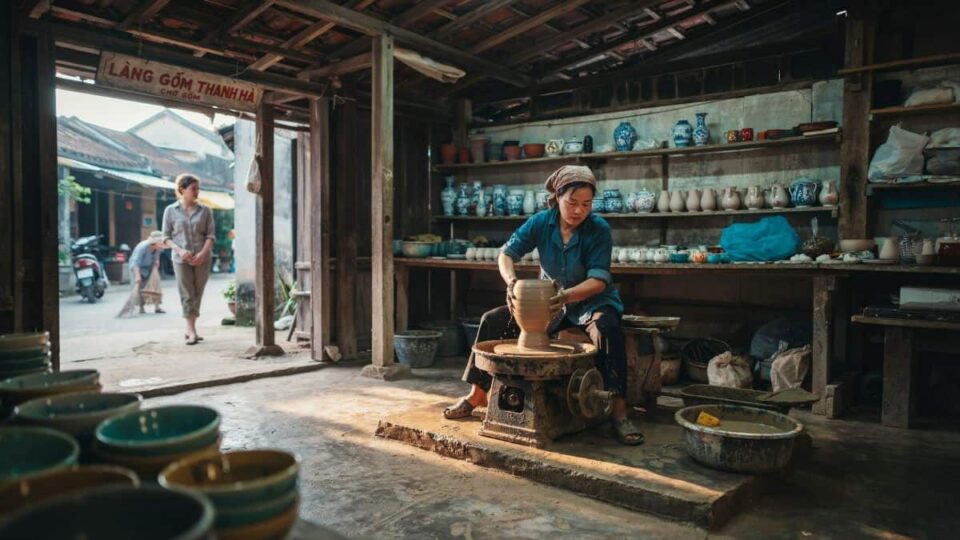
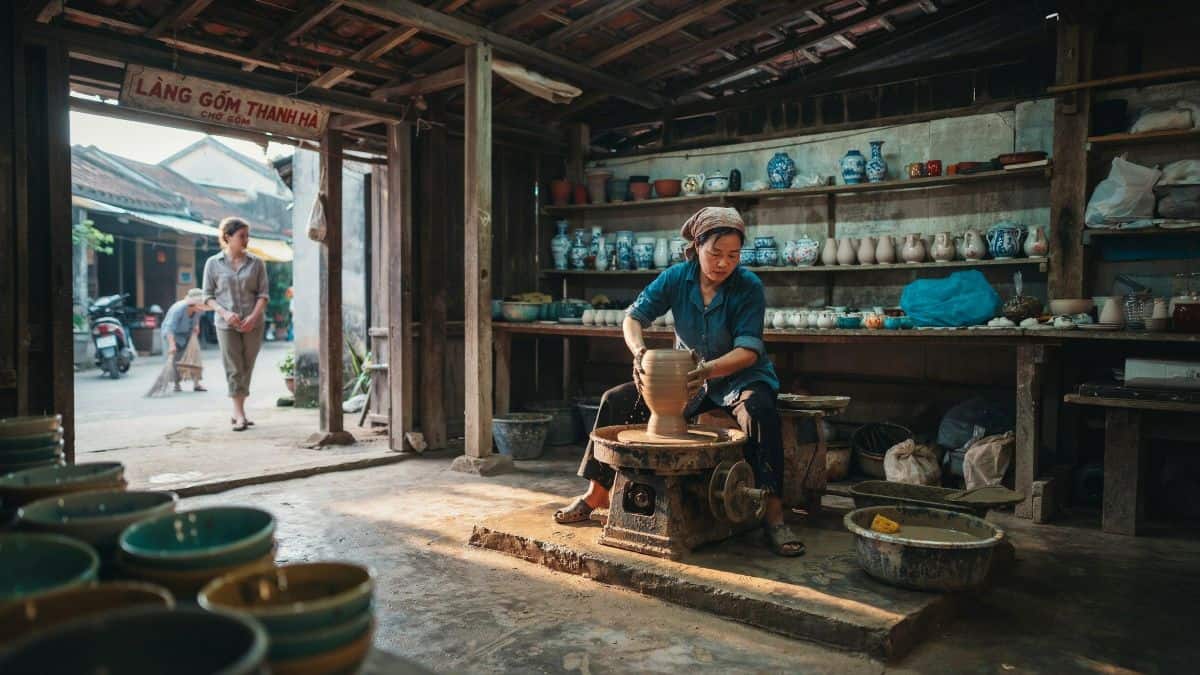
For Vietnam, Hoi An’s cultural heritage and traditional craft is highlighted in 2026, as Da Nang will guide tourists to venture into other destinations apart from the historic town. Tourists will have an opportunity to encounter the artisans, find out more on ceramics and woodcarving as well as enjoy the local food. In addition, Cu Lao Cham will give an additional experience to tourists who are interested in nature, although harsh weather conditions might affect the boat rides to the destination. This means that tourists should be aware of the weather forecast and schedule as well as seek local advice.
Vietnam’s tourism growth sets the scene
Vietnam recorded about 17.7 million international arrivals between January and September 2026, a rise of 14.5 per cent compared with the same period in 2025. September brought about 1.77 million visitors. That was 16.1 per cent more than in September 2025, although arrivals fell by 11.3 per cent from August. These figures show that national tourism growth can vary from month to month. They do not measure visitor numbers in Hoi An itself.
The country’s largest visitor markets during the first nine months were China, with nearly four million arrivals, and South Korea, with around 3.1 million. Asia supplied roughly three-quarters of all international arrivals. European arrivals rose by 55 per cent year on year, while arrivals from Oceania, the Americas and Africa also increased. The figures show that Vietnam’s appeal reaches across several regions. They cannot tell us how many people from any one market visited Hoi An.
Vietnam has set a target of welcoming 25 million international visitors in 2026. By the end of September, it had reached nearly 71 per cent of that goal. The country has identified favourable visa policies, tourism promotion and a wider range of experiences among the factors supporting growth. The 2026 programme for Da Nang fits this national direction. It encourages visitors to explore culture, nature and food alongside well-known attractions. However, the national figures alone do not prove that any particular campaign has brought more travellers to Hoi An.
Da Nang’s 2026 programme asks visitors to look deeper
Da Nang announced its 2026 tourism stimulus programme in March. Its message centres on experiences that connect visitors with nature, local culture, community life, festivals and food. The programme sets out several themed journeys. These include encounters with traditional craft villages, nature-based activities and local cuisine. It also names Hoi An and its surrounding places as part of the broader offer.
The plan gives visitors a reason to spend more time exploring the area. A traveller could discover the old town, visit a pottery or carpentry village, try regional food and then explore a natural setting. That is the programme’s intended direction, rather than a reported change in what travellers are already doing. Da Nang says it wants to increase visitors’ length of stay, deepen their experiences and encourage them to return. These are goals. The available research does not show whether the programme has achieved them.
The programme also includes more than 30,000 gifts and discounts, with offers ranging from 10 to 60 per cent. These may cover accommodation, food, attractions, entertainment, spas and local souvenirs. Travellers should check the current offers and conditions before making plans. The offer provides a practical reason to read beyond the headline, but it should not be presented as a discount available to every visitor or for every booking.
Craft villages turn a visit into a meeting with local skill
The programme names Thanh Ha Pottery Village, Kim Bong Carpentry Village and Tra Que Vegetable Village among the places where visitors can encounter local craft and knowledge. Da Nang’s tourism information describes experiences that allow visitors to interact with artisans and learn about traditional work. This approach gives travellers more than a view of finished objects. It can help them understand the skill, time and local knowledge behind them.
Tra Que has also received international recognition. UN Tourism included the village in its Best Tourism Villages 2024 selection. That award is useful background for the article, but it is not a new 2026 announcement. It recognises Tra Que’s role as a rural destination. It also gives the story a broader question: how can tourism help village communities share their traditions while keeping their daily work at the heart of the experience?
Visitors can use the village experiences to learn how pottery, carpentry or vegetable growing fits into local life. A responsible article should also explain what the research does not establish. The material reviewed does not give current visitor numbers for each village. It does not quantify how much income tourism brings to individual households. The story can describe the activities and their purpose, but it should not claim that every visit directly improves local earnings.
A museum connects old trade with present-day livelihoods
Hoi An’s Museum of Trade Ceramics offers another way to explore the area’s history. In January 2026, the local heritage authority reported that the museum displayed 368 artefacts, including objects dating from the ninth and tenth centuries to the nineteenth century. The collection reflects the town’s past as a trading port with connections across Asia and Europe.
The museum also has a contemporary community role. It displays handmade souvenirs produced by people with disabilities and other vulnerable groups. The initiative connects cultural heritage with creative work and inclusion. It gives visitors a chance to discover locally made products while learning about the people who create them. The available information describes the initiative’s aims, including supporting livelihoods and participation. It does not provide figures for the number of makers involved or the income generated.
This detail offers a distinctive human story. Tourism coverage often focuses on buildings and views. Here, the article can also ask who interprets heritage and who has a chance to take part in the visitor economy. The museum makes that question tangible through its collection and souvenir display. It also shows that heritage is not only something preserved behind glass. It can be shared through current skills and community activity.
Hoi An’s history reaches far beyond its famous streets
Hoi An Ancient Town is a well-preserved trading port that flourished from the fifteenth to the nineteenth century. Its buildings and street plan show how local traditions mixed with outside influences, including those from China, Japan and Europe. The old port is therefore more than a picturesque setting. Its layout and architecture record a long history of trade and cultural exchange.
The town’s past can help travellers understand why craft, trade and cultural exchange remain central to the visitor experience. The Museum of Trade Ceramics adds another layer, using artefacts to tell stories of goods and people moving between communities. Together, the historic streets and museum offer a way to explore Hoi An as a place shaped by movement and contact across Asia.
Hoi An also belongs to UNESCO’s Creative Cities Network as a City of Crafts and Folk Art. The city’s profile discusses the protection of local arts and traditional skills, along with opportunities for young people to learn them. The network membership dates to 2023, so it should be described as established context, not a new 2026 designation.
The heritage story extends from the river to the islands
Hoi An’s setting links its ancient town with the Cu Lao Cham archipelago and nearby coastal environments. The Cu Lao Cham–Hoi An Biosphere Reserve brings together the historic trading port and the islands. The reserve includes marine habitats, mountainous areas and rainforest ecosystems. Its designation dates to 2009. This connection gives travellers a way to understand the region as a linked cultural and natural landscape.
Da Nang’s 2026 programme includes Cu Lao Cham in its nature experiences. The islands have a plastic-bag ban that began in 2009, and residents are involved in environmental protection. Travellers can help by following local guidance and avoiding prohibited items. The article should use precise language: the evidence supports a plastic-bag restriction, but it does not establish that the islands are entirely free from plastic waste.
Seasonal weather can change the island part of a trip
Hoi An’s coastal experiences require careful timing. Vietnam’s official tourism website describes the period from September to January as rainy, cool and cloudy. It warns that storms can affect central Vietnam and that Hoi An may experience heavy rain and some flooding later in the year. These are seasonal patterns, not a prediction for a specific date. Travellers should check current forecasts and local advice before setting out.
The Cham Islands guide says rough seas can make access difficult from October to February. It identifies March to September as the more favourable period for island visits. This matters for travellers planning snorkelling or other boat-based activities: an island excursion may not be available on the day they expect. A flexible itinerary can include museums, craft villages, food experiences or other activities on the mainland. Visitors should confirm transport and sea conditions locally.
This seasonal contrast makes Hoi An a useful destination for a practical travel story. The same trip can offer historic streets and craft experiences while the island part depends on sea conditions. A clear article should explain that distinction rather than promise that every visitor can reach the islands.
What travellers should know about visas
Vietnam’s visa policies may be relevant to readers from Europe and Asia. German, Japanese and South Korean citizens are among those eligible for a 45-day visa exemption under a policy running from 15 March 2025 to 14 March 2028, subject to Vietnam’s entry conditions. Slovenian and Croatian citizens are included in a separate 45-day tourism exemption running from 15 August 2025 to 14 August 2028. These are existing policies that apply during 2026, not new changes introduced this year.
For visitors who need a visa, Vietnam’s electronic-visa system allows an e-visa to be valid for up to 90 days, with single or multiple entry. Travellers should check their eligibility, approved dates and entry conditions through official channels before departure. A visa exemption for one passport does not automatically apply to another.
Why this matters for Hoi An
Da Nang’s programme gives Hoi An a timely angle for 2026 travel coverage. It links a famous heritage destination with craft villages, a museum, local food and a biosphere reserve. That wider view can help readers plan more than a quick walk through the old town. It also gives the article a clear analytical focus: the value of tourism depends not only on the number of visitors, but also on the experiences they choose and the communities involved.
There are limits to what the research can prove. The national arrival figures do not show how many visitors went to Hoi An. The programme’s stated aim to encourage longer stays is not evidence that stays have already lengthened. The available information also does not establish how much income village experiences create or how much tourism spending reaches local makers. Reporting those results would require Hoi An-specific data or interviews with local organisations and businesses.
What travellers should know before planning
Da Nang in Vietnam reveals an innovative travel strategy for 2026 which connects the Hoi An craft villages along with its coastal area and makes the right decisions for tourists. Tourists can tour the ancient city, connect with the locals and try the local cuisine. However, there may be choppy sea weather in case you wish to visit Cu Lao Cham, and therefore, you should keep yourself updated on the weather reports, boat timetables, and local recommendations before you set out on your trip. Moreover, you should also make sure that the discounts for 2026 and their rules are available to you.
The post Vietnam Puts Hoi An’s Living Heritage and Local Crafts in the Spotlight for 2026 appeared first on Travel And Tour World.
