
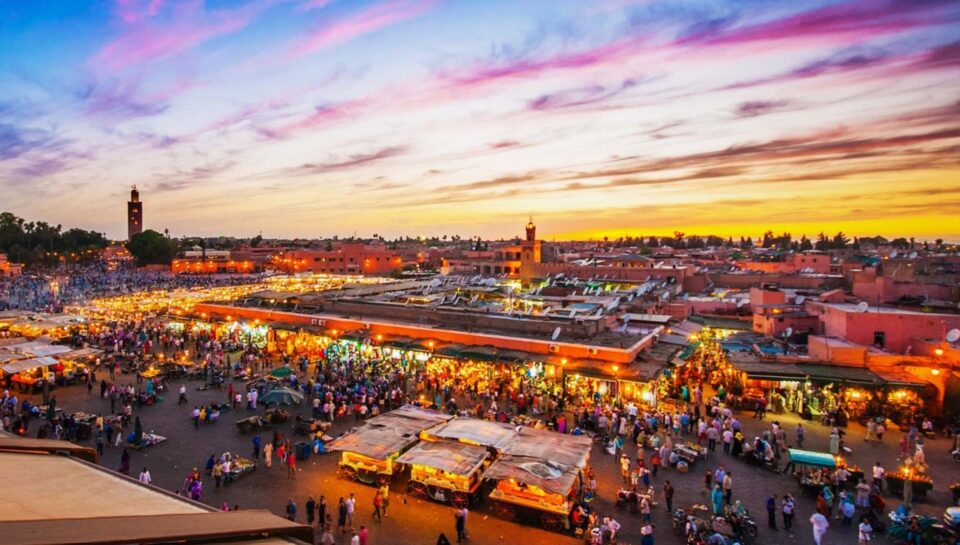
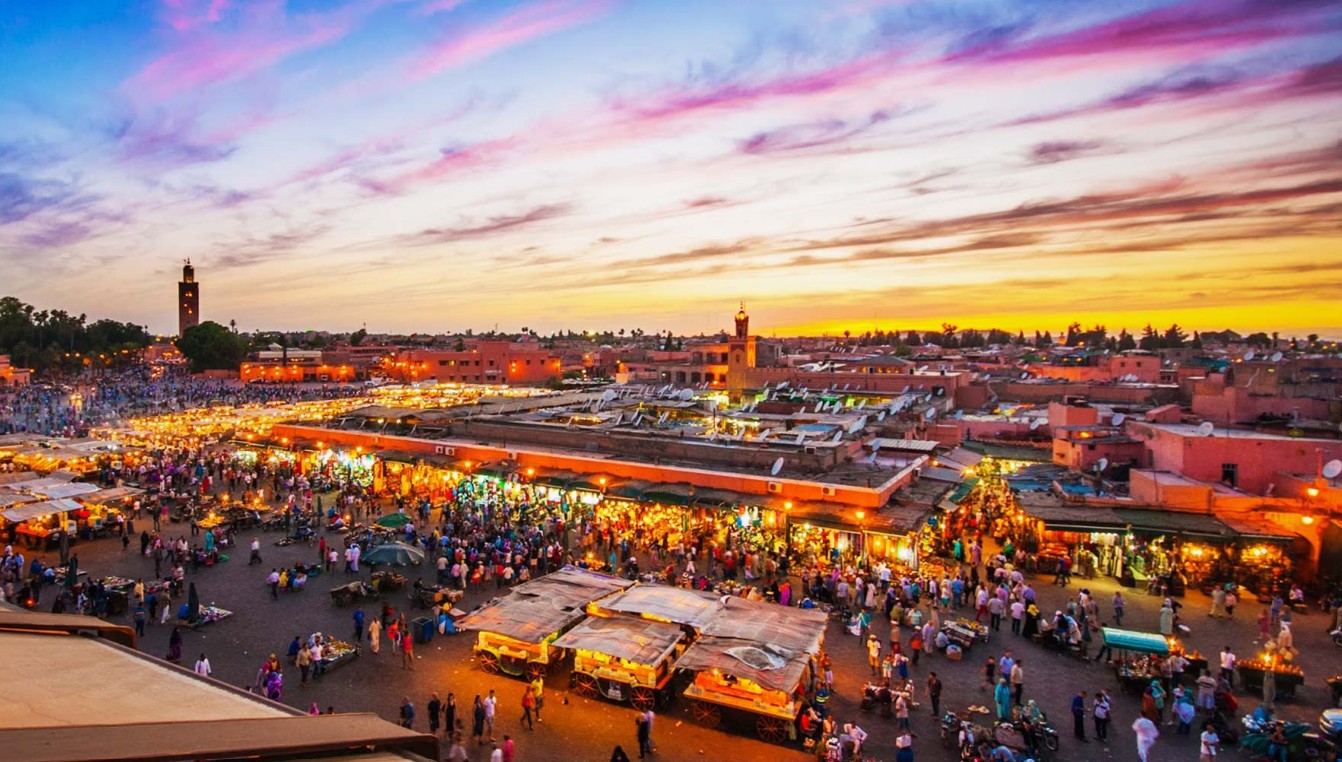
Official figures released by the Ministry of Tourism reveal that Morocco tourism has achieved unprecedented momentum, welcoming 15.7 million visitors in the first nine months of 2026. This dynamic surge is heavily anchored by Marrakech travel and a strong France tourism revival, with European holiday demand scaling new heights. As key national agencies double down on strategic air connectivity and infrastructural enhancement, the North African destination continues to cement its status as a global powerhouse. Understanding these vital economic and policy metrics is essential for stakeholders tracking international tourism shifts and modern Mediterranean-African travel trends.
Background on Morocco’s Strategic Tourism Expansion
The foundational architecture of contemporary Morocco tourism stems from rigorous, multi-year state strategies coordinated by the Moroccan Moroccan National Tourism Office (ONMT) alongside the Ministry of Tourism, Handicrafts and Social and Solidarity Economy. Over the past decade, successive national frameworks—most notably the “Light in Action” roadmap—have transformed the kingdom into a diversified, resilient leisure destination.
Historically dependent on traditional Western European markets, Moroccan authorities have systematically optimized hospitality infrastructure, streamlined visa protocols, and expanded regional airport capacities. These initiatives have paid substantial dividends, turning historic cultural hubs like Marrakech and Fez into year-round magnets for international travellers seeking authentic heritage, luxury hospitality, and robust safety standards verified by international bodies.
Latest Official Developments as of October 2026
According to authoritative bulletins released in October 2026, Morocco welcomed 15.7 million tourists in the first three quarters of the year, registering a robust 5 per cent year-on-year increase. This milestone follows a stellar performance in preceding quarters, which recorded 4.3 million arrivals in Q1 and 9.4 million visitors by the halfway mark of the year.
Market analysts and institutional observers note that European source markets remain the primary engine of this ongoing expansion. In particular, France tourism revival trends have played a foundational role, with French nationals representing the single largest block of inbound European travelers. Direct flight connectivity connecting major French hubs—including Paris, Lyon, Marseille, and Nice—to Marrakech Menara Airport and Casablanca Mohammed V International Airport has scaled up dramatically, facilitating seamless cross-border mobility.
Government Announcements and Policy Initiatives
The Moroccan government, under strategic directives highlighted by the Ministry of Tourism, has intensified public-private investments to sustain this growth trajectory. Key policy updates focus on sustainable tourism, digital transformation of hospitality services, and the decentralization of economic gains to secondary regions.
Furthermore, national preparations are already in full swing for major upcoming international events. With Morocco co-hosting the 2030 FIFA World Cup alongside Spain and Portugal, central authorities have accelerated structural upgrades. Transport corridors, high-speed rail expansions, and hotel bed-capacity targets are being aggressively pursued to accommodate an anticipated milestone of over 26 million annual visitors by the end of the decade.
Statistical Overview and Economic Implications
Official statistics compiled by national statistical offices and corroborated by international financial institutions underscore the heavy macro-economic weight of the sector:
- Total Visitor Volume: 15.7 million arrivals recorded between January and September 2026.
- Year-on-Year Growth Rate: 5% expansion compared to the corresponding period in 2025.
- GDP Contribution: Tourism accounts for approximately 7.2% of Morocco’s national Gross Domestic Product.
- Employment Impact: Direct and indirect job creation spans over 850,000 positions across hospitality, aviation, transport, and artisan crafts.
These monetary inflows have generated substantial foreign exchange earnings, reinforcing the Moroccan Dirham (MAD) and providing a critical buffer against broader macroeconomic headwinds affecting emerging economies.
Industry Impact and the Rise of Marrakech
Within the domestic tourism ecosystem, Marrakech travel stands out as the crown jewel of northern African hospitality. Luxury boutique riads, upscale international hotel chains, and world-class culinary establishments report consistently high occupancy rates throughout 2026.
The city’s appeal has been amplified by targeted marketing campaigns spearheaded by the ONMT in partnership with major European airlines. Tour operators in France and Germany report that forward bookings for autumn and winter sun holidays to Marrakech have outpaced pre-pandemic benchmarks by double digits. Concurrently, regional cities such as Agadir, Tangier, and Rabat are capturing overflow demand, distributing economic benefits across the Atlantic and Mediterranean coastlines.
Expert Statements and Institutional Assessments
International organizations have routinely praised Morocco’s proactive governance model. UN Tourism (formerly UNWTO) and the World Bank have highlighted the kingdom’s institutional agility in diversifying tourism products, fostering green hospitality standards, and integrating local artisans into the formal tourism value chain.
Official statements from the Moroccan Ministry of Tourism emphasize that future growth will not rely solely on volume, but on sustainable value creation. Emphasizing eco-tourism, cultural preservation, and digital innovation, authorities aim to increase average visitor spending per day while reducing the environmental footprint of large-scale resort operations.
Future Outlook Toward 2030
Looking ahead, the long-term trajectory of Morocco tourism appears exceptionally bright. As European holiday demand continues to pivot toward stable, culturally rich, and geographically accessible destinations, Morocco is strategically positioned to capture greater market share.
With multi-billion-dollar infrastructure investments rolling out continuously ahead of the 2030 global sports showcase, the synergy between Marrakech travel, French inbound tourism, and governmental foresight ensures that Morocco will remain a definitive benchmark for Mediterranean and African tourism resilience.
The post Morocco and Marrakech Driving France Tourism Revival as European Holiday Demand Gains Momentum appeared first on Travel And Tour World.
