
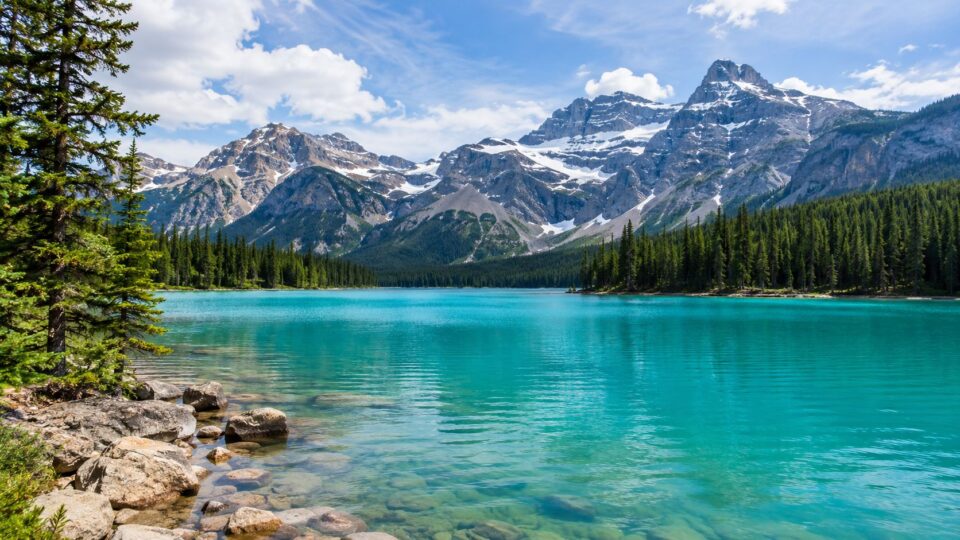


Canada’s 29 most beautiful lakes reveal stunning tourism escapes across Alberta, Ontario and beyond, highlighting the country’s extraordinary potential for nature-based travel. From turquoise glacial waters in the Rocky Mountains to expansive Great Lakes shorelines, these destinations offer distinctive experiences for international tourists. British Columbia adds alpine wilderness and wine-country retreats, while Quebec, Yukon and the Northwest Territories provide cultural landscapes and remote adventures. Together, these Canadian lakes support hiking, wildlife tourism, boating, photography, scenic road trips and seasonal holidays. Their geographical diversity strengthens Canada’s appeal in global tourism, offering travellers experiences beyond conventional city breaks and established sightseeing routes.
Why Canada’s Most Beautiful Lakes Are Essential to Its Travel and Tourism Appeal
Canada’s lakes form an extensive network of freshwater destinations that connects protected wilderness, mountain communities, waterfront cities and regional holiday centres. Their importance extends beyond scenery. Lakes support tourism through accommodation, guided experiences, recreational services, transport connections and outdoor activities. Alberta’s glacial lakes attract visitors to the Rocky Mountains, while Ontario’s Great Lakes create opportunities for coastal holidays and maritime heritage tourism. British Columbia combines alpine exploration with accessible leisure destinations. Northern regions offer more specialised wilderness experiences. The variety allows travellers to choose between short excursions, extended road trips, family holidays and physically demanding adventures. Seasonal conditions, conservation requirements and visitor access rules influence each journey.
- Scenic diversity supports travel across different provinces and territories.
- National parks connect lake tourism with conservation and outdoor recreation.
- Waterfront communities provide accommodation, restaurants and visitor services.
- Summer and winter activities create different seasonal travel opportunities.
- Transport access, visitor management and environmental protection influence tourism development.
| Tourism category | Main destinations | Visitor appeal |
|---|---|---|
| Alpine tourism | Alberta, British Columbia | Glacial lakes, hiking and mountain photography |
| Waterfront leisure | Ontario, British Columbia | Beaches, boating and lakeside accommodation |
| Cultural tourism | Quebec, Yukon, British Columbia | Regional heritage and Indigenous cultural landscapes |
| Wilderness tourism | Yukon, Northwest Territories | Remote scenery, wildlife and northern experiences |
| Winter recreation | Alberta, northern Canada | Snow-covered landscapes and seasonal activities |
Alberta’s 12 Spectacular Lakes Showcase Canada’s Rocky Mountain Tourism Experiences
Alberta stands out for its concentration of glacial lakes, dramatic mountain scenery and established national park infrastructure. Banff National Park contains internationally recognised attractions such as Lake Louise, Moraine Lake, Peyto Lake and Lake Minnewanka. Jasper National Park adds Maligne Lake, Medicine Lake, Horseshoe Lake and Lake Annette. Waterton Lake offers another distinctive landscape near the United States border. Beyond the mountain parks, Cold Lake provides beach and fishing experiences, while Abraham Lake attracts winter photographers. Together, these destinations accommodate different travel preferences, from scenic drives and short lakeside walks to guided excursions and challenging alpine hiking.
- Lake Louise and Moraine Lake offer some of Canada’s most recognisable mountain landscapes.
- Peyto Lake and Bow Lake provide scenic stops along the Icefields Parkway.
- Maligne Lake combines glacier-fed scenery with access to Spirit Island by boat.
- Abraham Lake attracts winter visitors interested in photographing frozen methane bubbles.
- Cold Lake supports fishing, birdwatching, swimming and recreational boating.
| Lake | Key experience | Tourism and travel information |
|---|---|---|
| Lake Louise | Glacier scenery, hiking and winter recreation | Accessible from the Lake Louise area; shuttle services help manage summer congestion |
| Moraine Lake | Valley of the Ten Peaks, photography | Private vehicle access is restricted year-round |
| Peyto Lake | Turquoise water and mountain viewpoints | A major sightseeing stop on the Icefields Parkway |
| Waterton Lake | Wildlife, mountain landscapes and boating | Located within Waterton Lakes National Park |
| Maligne Lake | Spirit Island, scenic cruises and hiking | Reached through the Maligne Valley in Jasper National Park |
| Abraham Lake | Winter ice photography | Frozen methane bubbles are a seasonal attraction; ice safety is essential |
| Lake Minnewanka | Boat excursions, hiking and wildlife | A popular recreational destination near Banff |
| Cold Lake | Beaches, fishing and birdwatching | Provincial park facilities support outdoor holidays |
| Medicine Lake | Seasonal hydrology and wildlife | Scenic destination on the road towards Maligne Lake |
| Horseshoe Lake | Rocky shorelines and forest surroundings | Visitors should observe trail and water safety restrictions |
| Lake Annette | Lakeside walks, beaches and picnics | Accessible recreational area close to Jasper |
| Bow Lake | Mountain photography and lakeside scenery | Located beside the Icefields Parkway |
What Changed for Alberta Lake Visitors in 2026?
Travel planning has become especially important around Banff’s most popular lakes. Parks Canada’s 2026 operating schedule placed Lake Louise shuttle services between 15 May and 12 October, while Moraine Lake shuttle services operated from 1 June to 12 October, subject to conditions.
Moraine Lake Road remained closed to personal vehicles, with exceptions for authorised transport and specified users. A return shuttle ticket included connections between the two lakes, but national park admission remained a separate requirement.
Jasper also required greater attention to access arrangements during 2026. Parks Canada’s recovery information confirmed that most of the national park was available for exploration, although Maligne Canyon and Cavell Road remained closed during the season. Maligne Lake and Lake Annette were listed among accessible hiking destinations in the park’s published visitor information.
Cold Lake Provincial Park experienced a separate operational change. Alberta Parks announced construction activity from September 2026 through June 2027, with trails remaining accessible but some work areas restricted. This illustrates why even well-established lake destinations require updated local planning.
British Columbia’s Eight Beautiful Lakes Combine Alpine Adventures, Wine Tourism and Scenic Ferries
British Columbia offers a varied selection of Canadian lake destinations, ranging from high-altitude wilderness to vineyard-lined waterfronts. Garibaldi Lake and Wedgemount Lake appeal to experienced hikers travelling through the Coast Mountains. Emerald Lake offers a contrasting experience in Yoho National Park, where visitors can enjoy mountain views and gentle lakeside walking. Kootenay Lake and Upper Arrow Lake connect scenic landscapes with established ferry routes. Okanagan Lake supports resort holidays, wine tourism and recreational boating. Spotted Lake adds geological and cultural significance, while Berg Lake connects Mount Robson Provincial Park with demanding wilderness adventures and glacier-influenced mountain scenery.
- Garibaldi Lake provides remote alpine scenery and backcountry recreation.
- Emerald Lake supports accessible sightseeing and authorised canoe rentals.
- Kootenay Lake and Upper Arrow Lake connect lakeside journeys with ferry services.
- Okanagan Lake offers opportunities to combine waterfront leisure with wine-country visits.
- Wedgemount Lake and Berg Lake attract experienced hikers seeking demanding mountain routes.
| Lake | Principal tourism attraction | Important visitor consideration |
|---|---|---|
| Garibaldi Lake | Alpine hiking, photography and camping | Backcountry access requires preparation; camping reservations apply |
| Emerald Lake | Mountain scenery, walking and canoe rentals | Personal watercraft are restricted under national park regulations |
| Spotted Lake | Mineral formations and Indigenous heritage | Respect cultural significance and public access boundaries |
| Berg Lake | Mount Robson scenery and glacier views | Check trail closures and backcountry reservations |
| Kootenay Lake | Ferries, waterfront communities and mountain landscapes | Seasonal ferry timetables influence road journeys |
| Upper Arrow Lake | Forest scenery, ferry connections and boating | Vehicle ferry services connect communities around the lake |
| Okanagan Lake | Water sports, vineyard visits and resorts | Recreational services vary by community and season |
| Wedgemount Lake | Glacier scenery and advanced alpine trekking | Steep terrain, considerable elevation gain and mountain hazards |
How Do British Columbia’s Park Regulations Affect Lake Tourism?
British Columbia’s 2026 visitor arrangements demonstrate the importance of managing tourism in sensitive environments. BC Parks required summer day-use vehicle passes at specified Garibaldi Provincial Park trailheads on designated dates. For the Rubble Creek trailhead, these requirements applied on Fridays through Mondays and holidays between 12 June and 12 October 2026.
The Garibaldi Lake campground is approximately nine kilometres from its main parking area, and overnight visitors require reservations. Wedgemount Lake involves a substantially harder journey, with BC Parks describing a seven-kilometre trail gaining approximately 1,200 metres in elevation.
Emerald Lake has a particularly important restriction. A Parks Canada order in force until 31 March 2027 prohibits fishing and most watercraft use throughout Yoho National Park. Authorised commercial operations and rental canoes at Emerald Lake are exceptions.
Kootenay Lake presents a different form of tourism connectivity. The provincial government identifies a ferry route between Balfour and Kootenay Bay, with an approximately 35-minute crossing. The service forms part of British Columbia’s inland ferry network, which is available without passenger or vehicle fares.
Ontario’s Five Remarkable Lakes Offer Great Lakes Beaches, Waterfront Cities and Cottage Holidays
Ontario provides a different Canadian lake tourism experience, connecting extensive freshwater shorelines with urban attractions, recreational communities and wilderness destinations. Lake Superior offers rugged coastal scenery, forest trails and remote beaches. Lake Huron features clear-water bays, islands and maritime heritage. Lake Ontario brings waterfront experiences into Toronto and neighbouring communities. Lake Muskoka is associated with cottage holidays, resort accommodation and recreational boating. Farther north, Red Lake serves as a destination for fishing and wilderness travel. This combination makes Ontario suitable for international visitors seeking accessible attractions, self-drive holidays, family activities and more specialised outdoor adventures.
- Lake Superior offers coastal trekking, kayaking and wilderness exploration.
- Lake Huron supports beach holidays, boat excursions and shipwreck-related tourism.
- Lake Ontario provides waterfront sightseeing near major urban centres.
- Lake Muskoka combines holiday cottages, resorts and recreational boating.
- Red Lake supports fishing holidays and access to northern wilderness areas.
| Lake | Tourism characteristics | Main visitor experiences |
|---|---|---|
| Lake Superior | Rugged coastline, provincial parks and beaches | Hiking, wilderness camping, kayaking and scenic drives |
| Lake Ontario | Major urban waterfronts and coastal communities | Cruises, waterfront walks and cultural attractions |
| Red Lake | Northern Ontario wilderness and fishing region | Angling, outdoor accommodation and wildlife observation |
| Lake Muskoka | Established cottage and resort destination | Boating, family holidays, waterfront leisure and recreation |
| Lake Huron | Islands, beaches and maritime heritage | Boat excursions, shoreline walking, diving and swimming |
What Makes Ontario’s Great Lakes Important for Adventure Tourism?
Ontario’s freshwater coastline offers activities normally associated with coastal destinations, although weather and water conditions can differ considerably. Lake Superior Provincial Park has 11 maintained hiking trails, while its demanding Coastal Trail extends approximately 65 kilometres. The route crosses rocky beaches, forest sections and exposed shoreline terrain.
Ontario Parks advises that Lake Superior’s cold water, sudden changes in wind and limited sheltered landing points make open-water paddling suitable primarily for experienced participants.
Lake Huron offers a strong maritime heritage component. Fathom Five National Marine Park, located near Tobermory, protects islands, underwater features and historic shipwrecks. Its tourism experiences include sightseeing boat excursions, island walks, snorkelling and scuba diving. Parks Canada identifies 24 shipwrecks within the marine park.
Ontario’s tourism also extends into accommodation-led recreation. Destination Ontario identifies waterfront resorts, fishing lodges and cottages across Muskoka, providing different options for family holidays and extended stays. In the Red Lake region, specialised fishing accommodation and access to surrounding waterways support angling tourism.
Quebec’s Lake Memphremagog Reveals a Scenic Cross-Border Tourism Experience
Lake Memphremagog stretches across the Canadian province of Quebec and the American state of Vermont. Its landscape offers a combination of waterfront communities, surrounding hills, recreational boating and regional cultural attractions. Magog, located at the northern end, is an important visitor gateway within Quebec’s Eastern Townships. Travellers can explore the shoreline, enjoy organised lake cruises and combine waterfront activities with countryside excursions. Unlike more remote alpine destinations, the lake supports a varied leisure experience, with accommodation, dining and cultural activities available in nearby communities. Its cross-border geography adds an additional dimension to tourism itineraries between eastern Canada and the United States.
- The lake extends across the Canada–United States border.
- Magog provides a convenient base for waterfront sightseeing.
- Organised cruises introduce visitors to the surrounding landscape.
- The Eastern Townships offer opportunities for wider countryside exploration.
- Seasonal recreation supports both short visits and longer regional holidays.
| Tourism element | Description | Travel relevance |
|---|---|---|
| Location | Quebec, Canada, and Vermont, United States | Cross-border geographical interest |
| Main Canadian gateway | Magog | Accommodation, dining and organised excursions |
| Primary attraction | Lake and surrounding landscapes | Sightseeing and nature photography |
| Recreational activities | Boating and seasonal cruises | Leisure and group tourism |
| Regional connection | Eastern Townships | Countryside and multi-destination travel |
How Does Lake Memphremagog Support Quebec’s Visitor Economy?
Lake Memphremagog supports tourism through leisure cruises, waterfront activities and visitor services concentrated around Magog. Quebec’s official tourism platform, Bonjour Québec, listed several organised cruises for 2026. These included sightseeing and dining experiences with seasonal operating schedules extending from spring into October.
The listings also identified different cruise durations, supporting flexible itineraries for groups, families and travellers exploring the Eastern Townships. Some services offered partial accessibility for visitors with disabilities, although individual arrangements require confirmation before booking.
The lake’s location also makes it relevant to regional tourism rather than solely destination-specific sightseeing. Travellers can combine shoreline experiences with surrounding communities and countryside attractions. However, crossing the international border requires separate attention to immigration rules and transport arrangements.
For tourism businesses, this geographical setting creates opportunities to develop complementary experiences involving accommodation, local heritage and organised excursions without relying exclusively on peak-season water sports.
Yukon’s Kluane Lake and Bennett Lake Bring Wilderness and Gold Rush Heritage Into Focus
Yukon’s lake tourism is shaped by its vast landscapes, historical travel routes and relatively remote communities. Kluane Lake sits within a region known for impressive mountain scenery, wildlife habitats and access to the Alaska Highway. Bennett Lake, stretching across Yukon and British Columbia, is connected with the historic routes used during the Klondike Gold Rush. Both destinations offer a different experience from Canada’s heavily visited national park centres. Travellers generally need more time for road journeys, weather changes and limited services. The appeal lies in combining lakeside scenery with cultural heritage, northern landscapes and opportunities to experience Canada’s less densely populated regions.
- Kluane Lake provides dramatic views across a northern mountain landscape.
- The Alaska Highway creates opportunities for scenic road journeys.
- Bennett Lake connects lake scenery with Klondike Gold Rush history.
- Nearby communities provide gateways to regional heritage and wilderness experiences.
- Seasonal conditions and considerable travel distances require careful preparation.
| Lake | Territory or province | Tourism significance | Travel consideration |
|---|---|---|---|
| Kluane Lake | Yukon | Mountain scenery, wildlife and road tourism | Alaska Highway access and seasonal weather |
| Bennett Lake | Yukon and British Columbia | Historic Gold Rush landscape and lakeside recreation | Cross-regional journeys through Carcross and nearby communities |
Why Does Yukon’s Remote Location Matter for International Travellers?
Yukon offers a distinctive tourism environment because transport distances are generally greater than those encountered around southern Canadian cities. Parks Canada identifies Whitehorse as an important gateway for visitors travelling towards the Kluane region. Haines Junction, approximately 160 kilometres west of Whitehorse, provides accommodation, fuel and other services.
The Alaska Highway is central to regional access. Parks Canada also explains that much of the interior of Kluane National Park and Reserve is accessible only through demanding backcountry travel or specialist excursions.
For lake-focused itineraries, this distinction matters. Roadside viewpoints and accessible areas can be incorporated into self-drive journeys, while remote expeditions require additional equipment, experience and planning.
Air connections through Whitehorse can reduce the initial long-distance journey, but travellers should not assume that remote lake destinations have frequent public transport. Vehicle availability, local services and weather conditions should be assessed before setting out.
Northwest Territories’ Great Slave Lake Offers Northern Lights and Remote Wilderness Tourism
Great Slave Lake is one of Canada’s most significant northern freshwater landscapes and the deepest lake in North America. Its shores include Yellowknife, the capital of the Northwest Territories, connecting an urban gateway with extensive wilderness. The lake supports fishing, boating, scenic exploration and seasonal recreation. Yellowknife is also associated with aurora tourism, although Northern Lights visibility depends on weather, darkness and geomagnetic activity. The surrounding landscape creates opportunities for visitors who want to explore Canada’s northern environment. Compared with southern destinations, travel requires greater attention to temperature, seasonal accessibility, equipment and locally available recreational services.
- Northern Lights viewing in the Yellowknife region.
- Scenic exploration of northern freshwater landscapes.
- Fishing experiences supported by local operators and regulations.
- Seasonal boating and waterfront recreation.
- Winter landscapes and specialised cold-weather activities.
| Tourism feature | Main characteristic | Visitor relevance |
|---|---|---|
| Main lake | Great Slave Lake | Major northern freshwater destination |
| Gateway | Yellowknife | Accommodation, flights and visitor services |
| Nature attraction | Northern Lights | Seasonal nighttime sightseeing |
| Outdoor recreation | Fishing and boating | Weather-dependent activities |
| Winter tourism | Frozen landscapes | Guided experiences and specialist preparation |
What Should Travellers Understand About Northern Lake Tourism?
Northern lake tourism differs substantially from visiting Canada’s more accessible southern destinations. At Great Slave Lake, weather, daylight, water conditions and winter ice determine which activities are practical. Visitors may experience long summer daylight hours, while darker periods provide opportunities for aurora viewing.
Yellowknife functions as a transport and accommodation gateway, but excursions beyond established visitor areas require appropriate planning. Cold-weather clothing, communications equipment and suitable transport become particularly important during winter.
The lake should not be described as inaccessible for most of the year. Instead, its recreational opportunities change with the seasons. Some activities depend on open water, while others require reliably established winter ice conditions.
Visitors should use local guides or official safety advice for unfamiliar environments, especially when travelling over ice or exploring isolated shoreline areas.
How Canada’s Lake Tourism Supports International Travel, Airlines and Regional Destinations
Canada’s lake destinations contribute to a broader tourism network involving international aviation, domestic transport, accommodation and local visitor services. Travellers arriving through major gateways such as Calgary, Vancouver and Toronto can combine city visits with regional lake holidays. Alberta’s national parks encourage multi-day mountain itineraries, while Ontario’s waterfront destinations support shorter excursions and cottage stays. British Columbia offers opportunities to connect mountain landscapes, ferry journeys and wine-country experiences. Northern destinations often require additional domestic travel and road transfers. These geographical differences influence itinerary length, transport expenditure and accommodation requirements, making lake tourism an important part of destination diversification.
- International airports provide important gateways to Canada’s principal lake tourism regions.
- Domestic flights and road transfers connect visitors with more remote destinations.
- National park excursions encourage longer itineraries beyond major cities.
- Resorts, campsites and waterfront accommodation support regional tourism activity.
- Sustainable transport and managed visitor access help protect popular destinations.
| Tourism region | Major air gateway | Typical onward journey | Tourism opportunity |
|---|---|---|---|
| Alberta Rockies | Calgary International Airport | Road journey or scheduled regional transport | Mountain holidays and national park tourism |
| Jasper region | Edmonton International Airport | Road journey to Jasper | Wildlife tourism, mountain recreation and lake sightseeing |
| British Columbia Coast Mountains | Vancouver International Airport | Road journey towards Squamish and Whistler | Hiking, alpine tourism and nature holidays |
| Okanagan Valley | Kelowna International Airport | Local road transport | Wine tourism, waterfront resorts and recreation |
| Ontario Great Lakes | Toronto Pearson International Airport | Road, rail or regional transport | Waterfront city breaks and coastal tourism |
| Northern Ontario | Regional airports and road connections | Regional transfers | Fishing and wilderness tourism |
| Quebec Eastern Townships | Montréal–Trudeau International Airport | Road journey towards Magog | Lake cruises and countryside holidays |
| Yukon | Erik Nielsen Whitehorse International Airport | Alaska Highway road journey | Wilderness and heritage tourism |
| Northwest Territories | Yellowknife Airport | Local or specialist transport | Northern Lights and freshwater tourism |
Why Responsible Tourism Is Essential for Canada’s Lake Destinations
Lake tourism depends on maintaining healthy ecosystems, reliable access and appropriate visitor facilities. Popular destinations such as Lake Louise and Moraine Lake illustrate how authorities use shuttle systems and restrictions to address congestion. Remote locations face different challenges, including waste management, habitat protection and visitor safety.
For international tourism, these measures are not simply environmental considerations. They influence how travellers book transport, select activities and schedule their journeys.
Parks Canada’s Lake Louise visitor management information identifies significant pressure on roads and parking facilities during busy periods. It also highlights concerns about wildlife movement and the impacts of concentrated visitor activity. Banff National Park
Responsible travel therefore involves respecting designated trails, following watercraft regulations, observing wildlife from appropriate distances and using authorised transport services.
Tourism providers can support these objectives by communicating access requirements clearly and offering experiences suited to visitor ability, seasonal conditions and ecological restrictions.
Conclusion
Canada’s 29 most beautiful lakes reveal stunning tourism escapes across Alberta, Ontario and beyond, demonstrating the country’s extraordinary geographical variety. Rocky Mountain lakes attract travellers seeking dramatic scenery, while Ontario offers expansive freshwater coastlines and established holiday communities. British Columbia connects alpine wilderness with relaxed waterfront experiences. Quebec contributes cultural and cross-border attractions, while Yukon and the Northwest Territories introduce visitors to northern landscapes. Together, these destinations strengthen Canada’s position in nature-based tourism and support regional travel opportunities. Their enduring appeal comes from the combination of accessible recreation, distinctive landscapes, cultural heritage and responsible exploration across the country’s freshwater environments.
The post Canada’s 29 Most Beautiful Lakes Reveal Tourism Escapes Across Alberta, Ontario and Beyond appeared first on Travel And Tour World.
