
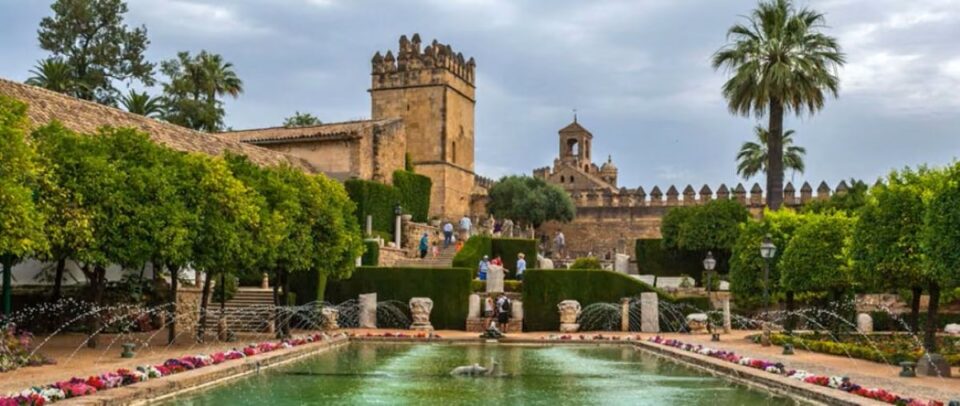
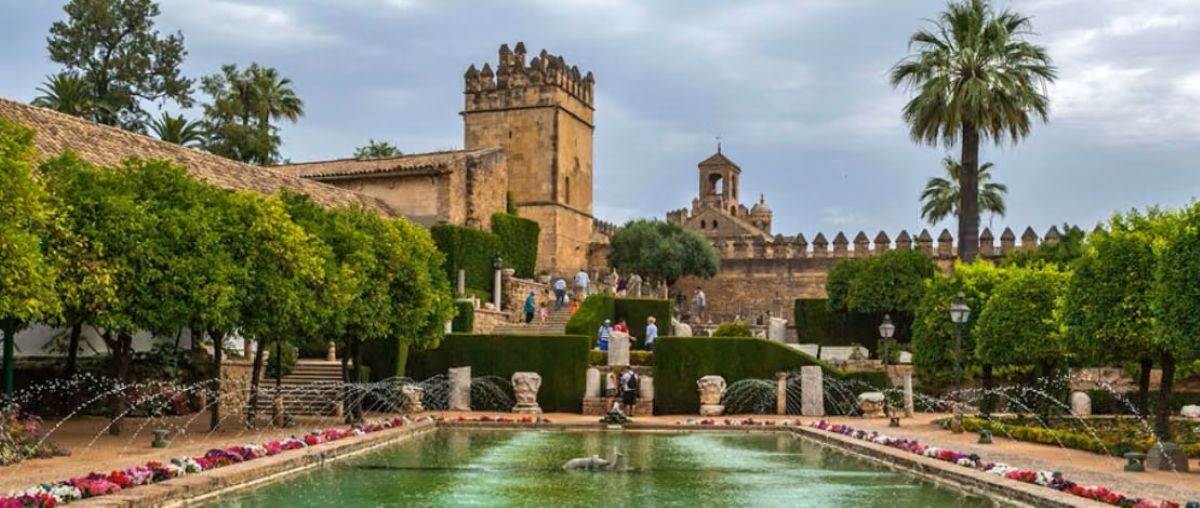
Crdoba Spain: Walking the city and reflecting on our travels The city of Crdoba, Spain has been thrust into the world’s spotlight as a destination for not only history, art and culture but also as one of the world’s most walkable cities for travellers to explore and experience an authentic sense of local culture.
The destination has been acknowledged by travel sites for its concise historic centre and walkable sites and attractions. Crdoba provides a truly authentic Spanish experience for walking seekers thanks to narrow cobbled streets, flowered courtyards, historic bridges and local eateries.
Why is Córdoba Spain considered one of the world’s most walkable cities
Córdoba’s historic layout makes it particularly attractive for walking holidays. Most major attractions are located close together, allowing visitors to move between cultural landmarks, dining areas and neighbourhoods at a relaxed pace.
The city’s pedestrian-friendly streets lead travellers through centuries of history. The old quarter features whitewashed buildings, traditional patios and winding pathways that reflect the city’s Roman, Islamic, Jewish and Christian influences.
The official Spanish tourism platform highlights Córdoba as a destination filled with historic streets, lively squares, traditional cuisine and cultural experiences. The city’s design encourages visitors to explore slowly rather than simply move between tourist attractions.
Key walking experiences in Córdoba include:
- Exploring the Historic Centre of Córdoba, a UNESCO World Heritage Site.
- Visiting the iconic Mosque-Cathedral of Córdoba, one of Spain’s most significant monuments.
- Discovering the archaeological remains of Medina Azahara, an ancient palace city outside Córdoba.
- Walking across the historic Roman Bridge overlooking the Guadalquivir River.
- Exploring traditional courtyards decorated with colourful flowers.
What makes Córdoba a cultural capital of Spain
Córdoba’s appeal comes from its remarkable concentration of heritage sites and cultural traditions. The city has one of the highest numbers of UNESCO World Heritage recognitions globally, reflecting its importance across different historical periods.
The Mosque-Cathedral of Córdoba remains the city’s most famous landmark. Built originally as an Islamic mosque and later converted into a cathedral, the monument represents centuries of architectural development and cultural exchange.
Another major attraction is Medina Azahara, the remains of a 10th-century palace city built during the Caliphate of Córdoba. The archaeological site provides insight into the political and cultural importance of the region during medieval Spain.
Travellers can also experience the Festival of the Patios of Córdoba, a UNESCO-recognised cultural event where residents open their traditional courtyards decorated with flowers and plants. The festival showcases local traditions and attracts visitors interested in heritage tourism.
How can travellers explore Córdoba on foot
Córdoba is best experienced through slow exploration. Visitors can create walking routes that connect historic landmarks with local neighbourhoods, allowing time to enjoy architecture, food and everyday city life.
A recommended walking itinerary can include:
- Morning: Begin at the Mosque-Cathedral and explore the surrounding historic quarter.
- Afternoon: Walk through the Jewish Quarter, visit traditional courtyards and stop at local restaurants.
- Evening: Cross the Roman Bridge and enjoy views of the illuminated city skyline.
The city’s smaller streets are often the highlight for travellers. Many routes reveal hidden squares, artisan shops and traditional Andalusian homes that are missed when travelling by vehicle.
Córdoba is also considered suitable for solo travellers due to its manageable size and welcoming atmosphere. Visitors can comfortably explore many areas during daylight hours while enjoying cafés, cultural venues and public spaces.
What should visitors know before travelling to Córdoba
The best time to visit Córdoba is during the spring and autumn months when temperatures are generally more comfortable for walking. Summer can bring very high temperatures, making early morning and evening exploration more suitable.
Travellers should prepare comfortable footwear because many historic areas feature uneven stone streets. Carrying water, planning breaks and visiting major attractions earlier in the day can improve the experience.
Local food is another important part of the Córdoba experience. Visitors can try Andalusian specialities including salmorejo, traditional tapas and regional dishes served in historic taverns.
The city also provides access to wider Andalusia, with connections to destinations such as Seville, Granada and Málaga, making it an attractive stop on longer Spain itineraries.
Córdoba offers a unique walking journey through Spanish history
Crdoba’s UNESCO sites, charming historical districts, rich cultural identity and walkable streets have enhanced its status among international tourists. People can explore centuries of Spanish history in the easy pace of a walk through the old town of Crdoba.
Its ancient sites, vibrant patios, scenic views of the river and traditional Andalusian character make Crdoba an alluring city for those who want to take a leisurely stroll and uncover the many facets of its long, storied history.
image source: https://www.spain.info/en/top/cordoba-world-heritage-visits-destination/
The post Córdoba Spain Turns Ancient Streets Into a World Class Walking Experience appeared first on Travel And Tour World.
