
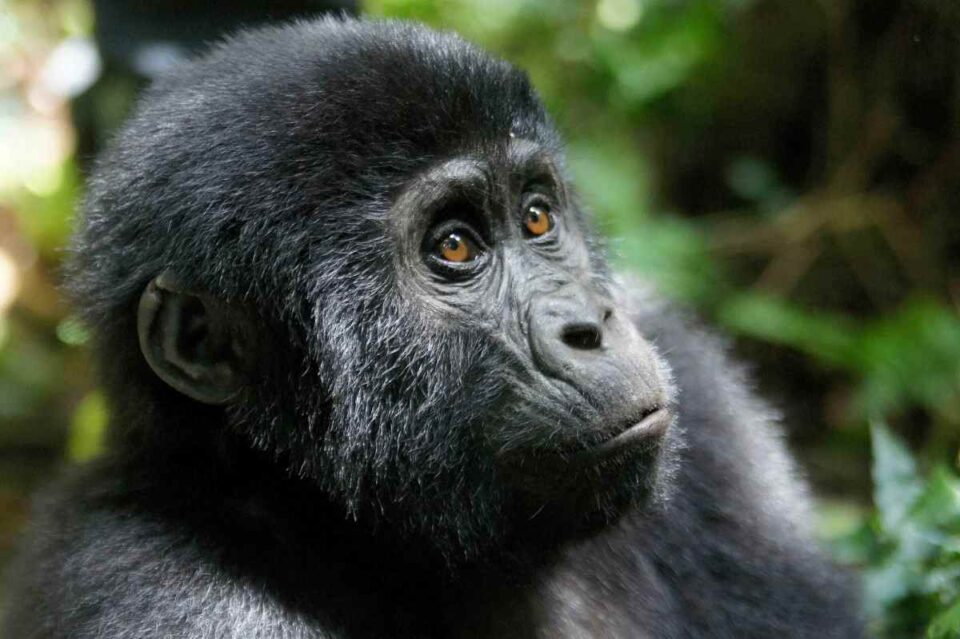
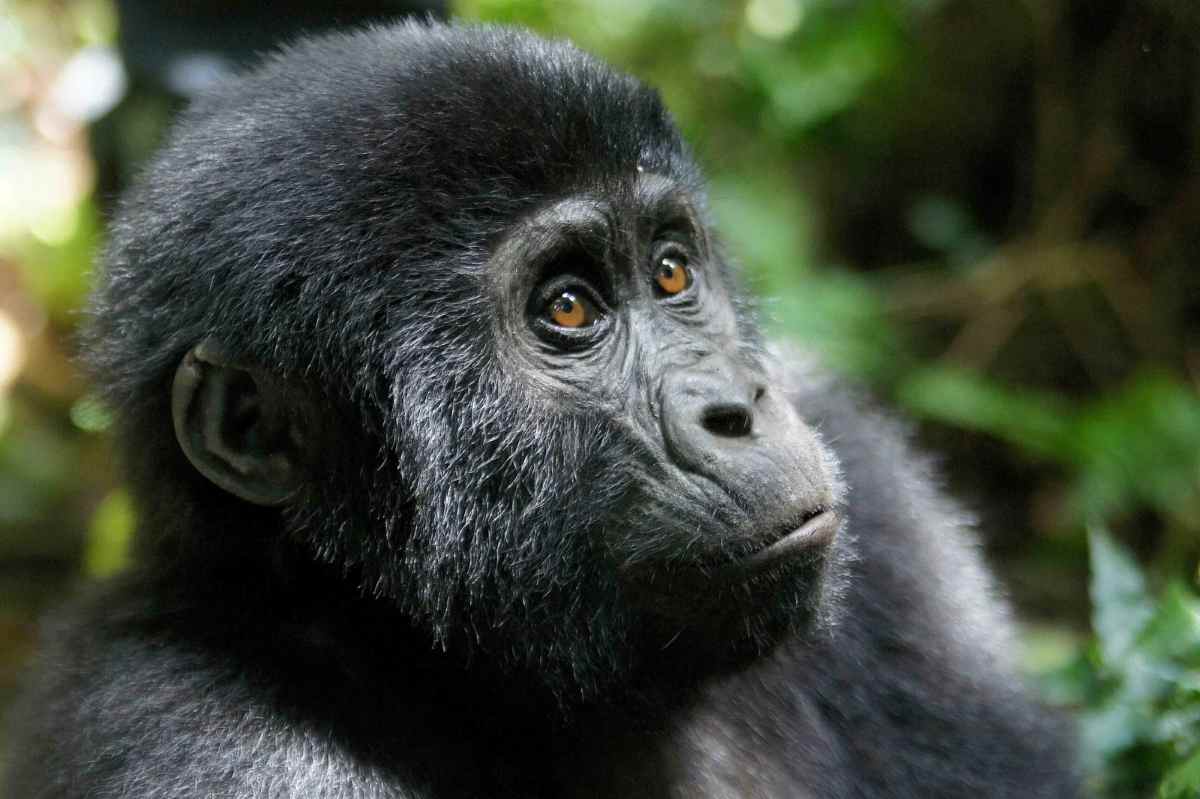
As September 2026 rolls around, there will be Rwanda and Uganda will be the major players within the realm of mountain gorillas in the East African region, where both the Volcanoes National Park and Bwindi Impenetrable National Park will bring tourists to some of the best-controlled wildlife viewing experiences in the region. This period also marks a key conservation achievement within Rwanda as the country holds the 21st Kwita Izina gorilla naming ceremony in Kinigi on 4 September. The dry season travel window within this region presents a different gorilla trekking experience altogether for any tourist visiting the area. Tourists will not just drive but will have to enter hilly forested areas guided by professionals before viewing mountain gorillas for some time.
Rwanda Highlights Conservation and Tourism
Rwanda has used September’s Kwita Izina programme to place mountain-gorilla conservation firmly alongside tourism and community development. The 2026 ceremony celebrated 22 baby mountain gorillas and brought together communities, conservationists, tourism stakeholders and international guests.
The programme also included gorilla trekking experiences, conservation exhibitions and travel-trade familiarisation activities around Musanze and Volcanoes National Park. Rwanda Development Board said the wider event demonstrates the relationship between conservation, tourism and economic opportunities for communities living near protected areas.
For visitors staying around Kinigi and Musanze, the gorilla experience therefore extends beyond the few hours spent inside the forest. The surrounding area offers accommodation, restaurants, cultural experiences and access to other mountain activities.
Visitor Numbers Remain Carefully Managed
Gorilla trekking in Rwanda operates through advance permits and controlled booking arrangements. Rwanda Development Board’s current booking platform allows visitors and tour operators to apply for tourist permits, check availability and make bookings. The platform lists a one-day processing time for tourist permit applications.
That controlled system is central to the visitor experience. Travellers cannot simply arrive at Volcanoes National Park and expect to join a gorilla trek without the appropriate permit and documentation.
The booking process also means that travellers planning a September or October trip should organise permits well ahead of their preferred trekking date, particularly when combining gorilla trekking with a wider East African itinerary.
Bwindi Brings a Different Forest Experience
Across the border in Uganda, Bwindi Impenetrable National Park provides another major mountain-gorilla tourism destination. The forest landscape is dense, steep and often physically demanding, making the trek itself an important part of the experience.
Uganda Wildlife Authority continues to list Bwindi among the country’s protected areas and maintains dedicated tourism and conservation publications covering gorilla and chimpanzee permit management. Its current publications include the Guideline for Management of Gorilla & Chimpanzee Permits and the 2026 State of Wildlife Resources report.
For visitors, Bwindi can be incorporated into longer Ugandan journeys that include Queen Elizabeth National Park, Kibale Forest, Mgahinga Gorilla National Park or other wildlife destinations.
Health Precautions Matter in Primate Tourism
Gorillas share a close evolutionary relationship with humans, which makes disease transmission an important consideration during trekking. Visitors are therefore expected to follow the conservation and health instructions issued by park authorities and guides.
The specific claims in the supplied brief about a newly introduced 10-metre monitoring rule, mandatory N95 masks and a universal eight-visitor limit per gorilla family in both countries could not be independently verified in current official Rwanda Development Board or Uganda Wildlife Authority material. The current official sources confirm controlled permits, protected-area management and ongoing conservation measures, but they do not substantiate those precise September 2026 changes.
That distinction matters for travellers planning an expensive gorilla holiday. Visitors should follow the instructions communicated by their licensed operator, park authority and trekking guides rather than relying on unverified claims circulating through travel channels.
The Dry Season Shapes the Journey
September is an important month for East African wildlife travel because conditions can be favourable for trekking and safari itineraries, although mountain forests remain capable of producing rain at any time.
A gorilla trek can involve several hours of walking over uneven ground. Travellers should expect steep slopes, muddy sections and changing weather, even during a generally drier travel period.
The practical experience begins well before entering the forest. Good walking shoes, layered clothing, waterproof protection, water and appropriate daypack equipment can make the trek considerably easier.
Tourism Supports Conservation Beyond the Forest
Gorilla tourism also connects visitors with communities surrounding protected areas. Rwanda’s August 2026 conservation programme included tourism revenue-sharing allocations to districts neighbouring Volcanoes National Park, alongside the launch of a Smart Green Village project designed to provide sustainable livelihood opportunities.
That relationship is particularly visible around Musanze, where hotels, restaurants, guides, transport providers and cultural businesses form part of the wider visitor economy.
In Uganda, protected-area management similarly sits within a broader national conservation programme. UWA’s 2026 strategy focuses on improving wildlife conservation, service delivery and institutional performance through 2030.
Planning a Gorilla Trek in September 2026
Rwandan and Ugandan authorities must be consulted by any visitors who wish to visit either of these countries, and it is important to book your accommodation and travel before you come. It will be tough, but well-organised. In the forest, the speed is determined by the terrain, guides, and location of the gorilla family. This is still relevant for September 2026 tourists as Rwandans and Ugandans strike the right balance between tourism and conservation of wildlife in East Africa.
The post Rwanda and Uganda Clamp Down on Gorilla Trekking as September Peak Demand Surges Big appeared first on Travel And Tour World.
