
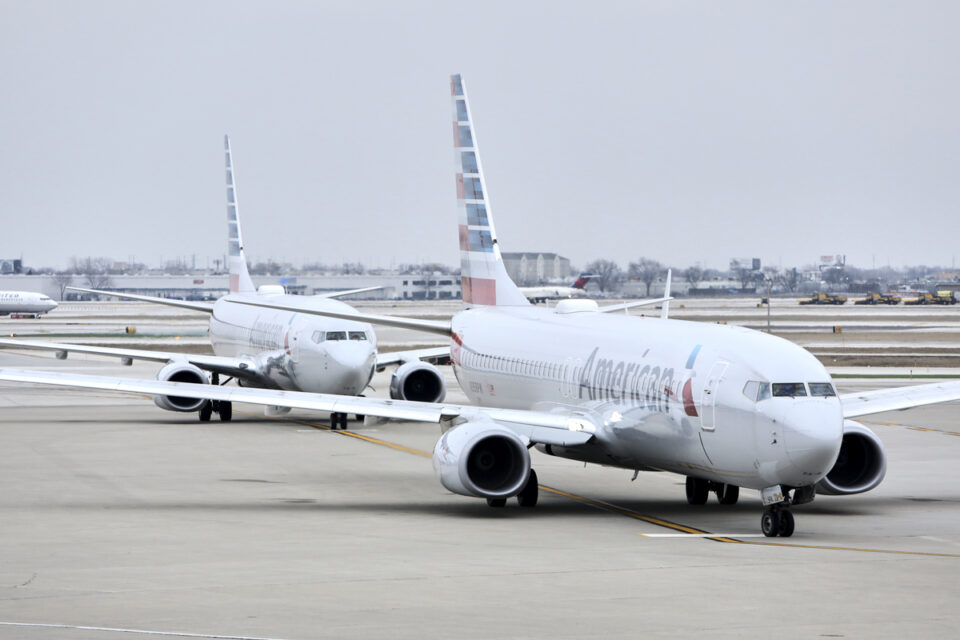
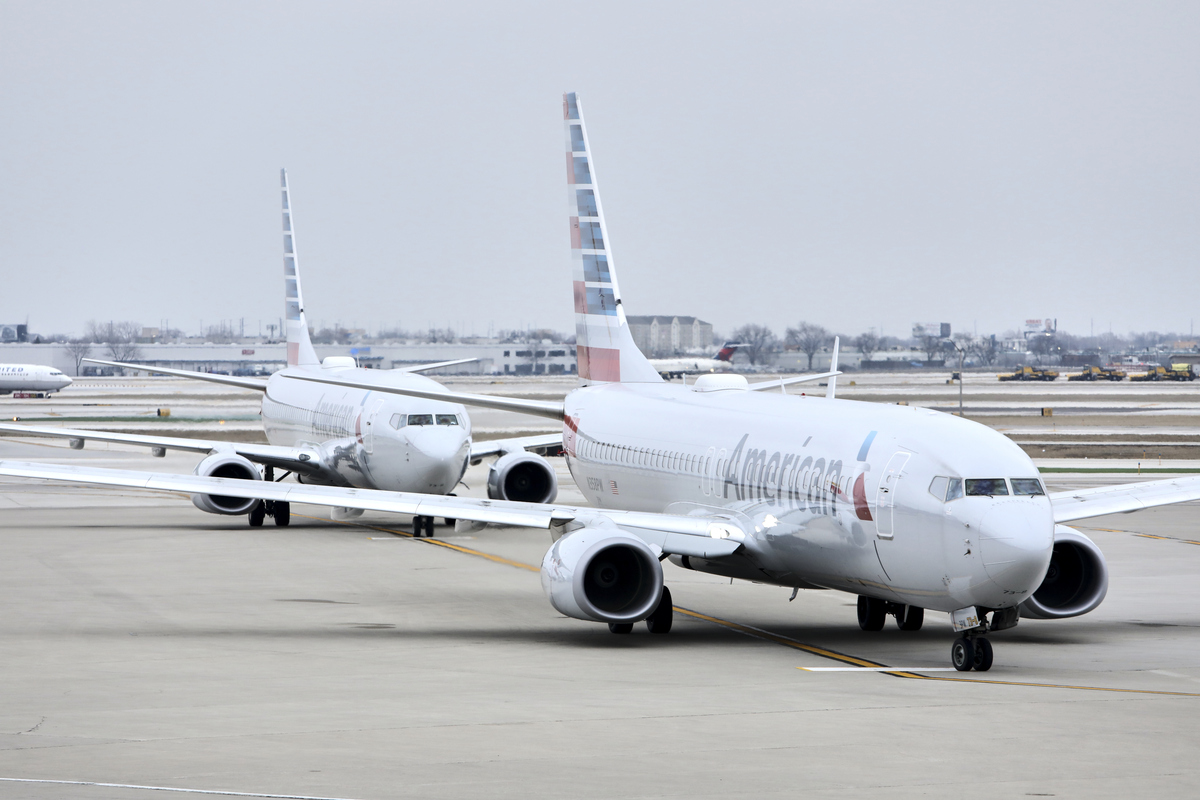
Photo Credit : American Airline
American Airlines is testing a new technology to reduce delay-related disruptions at Charlotte Douglas International Airport. If successful, it will be implemented at other airline hubs. American Airlines said it will use real-time air traffic information to help provide accurate boarding and departure updates. According to the airline, the new technology will provide flight disruption communication and reduce disruption related confusion for travelers.
Flight delays have remained a major frustration for airline passengers, especially when departure times continue to move without clear explanations. While airlines have improved digital tools that provide delay reasons and self-service rebooking options, travellers often face uncertainty when scheduled times do not match the actual movement of aircraft.
New American Airlines Trial Connects Boarding Times With Incoming Aircraft Arrivals
American Airlines is developing a new approach to handle one of the most common passenger complaints during delays: inaccurate rolling updates. Under the planned pilot programme at Charlotte Douglas International Airport, the airline will estimate boarding times based on the expected arrival of the aircraft operating the previous flight.
The system aims to create a more realistic timeline by considering the actual position and expected arrival time of inbound aircraft before announcing boarding information. This could help passengers avoid repeated changes where a flight first shows a short delay but later faces additional postponements.
For travellers, accurate updates are particularly important during busy travel periods when passengers need to make decisions about connections, airport facilities and onward journeys. A more transparent delay system could provide better visibility into the real operational situation.
Rolling Flight Delays Create Passenger Challenges Across Airline Networks
Rolling delays occur when airlines repeatedly adjust departure times as operational issues continue. A flight scheduled to leave in the evening may initially receive a small delay, but further changes can follow when the incoming aircraft arrives later than expected.
The problem becomes more noticeable when passengers independently track aircraft movements through flight-tracking platforms and find that the airline’s estimated departure time does not appear realistic. This gap between available information and airline updates can increase frustration, especially when travellers are waiting at the gate without knowing when boarding will actually begin.
Airlines face complex challenges in managing schedules because delays can result from multiple factors, including aircraft rotations, weather conditions, air traffic restrictions, maintenance requirements and airport congestion.
American Airlines’ planned system focuses on improving the connection between operational data and passenger communication.
Charlotte Airport Becomes Testing Ground For American Airlines’ Next-Generation Delay Management System
Charlotte Douglas International Airport is one of American Airlines’ largest hubs and plays a major role in the carrier’s domestic and international network. The airport handles a significant volume of passenger traffic and serves as a key connection point for travellers across the United States and beyond.
Testing the new delay management approach at Charlotte allows the airline to evaluate how the system performs in a busy operational environment. If successful, the technology could potentially be expanded to additional airports across the airline’s network.
The programme reflects a broader industry shift towards using real-time operational data to improve passenger services. Airlines are increasingly relying on digital platforms, predictive technology and automated systems to provide travellers with faster and more accurate information.
American Airlines Continues Focus On Digital Passenger Services
American Airlines has already expanded its digital support tools, including features that explain flight delay reasons and allow passengers to manage disrupted journeys through online platforms and mobile applications.
Modern airline operations depend heavily on accurate communication. When delays occur, passengers often need immediate information about revised departure times, possible connections and available alternatives.
Improved digital systems can also reduce pressure on airport staff by allowing passengers to access important updates without waiting in long customer service queues. For airlines, better information flow can support smoother operations and improve customer confidence during irregular situations.
The planned Charlotte trial adds another layer to these efforts by focusing specifically on the timing accuracy of boarding and departure updates.
American Airlines Faces On-Time Performance Pressure
Operational reliability remains a key measurement for airlines, with on-time performance influencing passenger satisfaction and industry rankings.
According to US transportation data for 2025, American Airlines recorded an on-time arrival rate of 73.52%, placing it eighth among major US airlines measured during the period. Hawaiian Airlines recorded the highest on-time arrival rate among the listed carriers at 81.95%.
The figures highlight the importance of improving operational efficiency as airlines compete to provide reliable travel experiences. While many delays are caused by external factors beyond an airline’s control, accurate communication remains an area where carriers can directly improve passenger experience.
Smart Technology May Redefine How Passengers Navigate Airline Delays Worldwide
The aviation industry is increasingly using artificial intelligence, predictive analytics and real-time aircraft tracking to manage disruptions. These technologies allow airlines to better forecast operational challenges and provide passengers with more reliable updates.
American Airlines’ delay prediction trial represents a move towards more data-driven disruption management. Instead of relying only on scheduled departure times, the system could provide passengers with information based on the actual movement of aircraft.
For travellers, the biggest benefit would be greater certainty. Clearer updates can help passengers plan airport time, manage connections and reduce uncertainty during unexpected disruptions.
As airlines continue investing in digital transformation, improving delay communication is becoming an important part of creating a smoother travel experience. The Charlotte pilot programme could become a model for future delay management across wider airline networks.
The post American Airlines Introduces Advanced Delay Technology At Charlotte Hub To Target Rolling Flight Delays appeared first on Travel And Tour World.
