
As the autumn season unfolds, global mobility is being significantly shaped by a confluence of intensifying meteorological shifts and critical geopolitical developments. Weather phenomena and diplomatic advisories are converging, introducing unprecedented layers of complexity for international wanderers, commercial aviation, and the global tourism sector. The overarching climatic framework is heavily influenced by the National Oceanic and Atmospheric Administration (NOAA), which has issued clear forecasts indicating that El Nino influence will be felt across US this fall, bringing sweeping shifts in precipitation, temperatures, and severe weather tracks. Simultaneously, diplomatic bodies have issued high-priority alerts, exemplified by the recent security notices released by the US Embassy in Jerusalem regarding regions in the Middle East ahead of Yom Kippur. Together, these concurrent phenomena require a comprehensive reevaluation of travel strategies, risk management, and operational planning across the international travel and tourism industry.
Impact on Travelers
The dual pressures of a strengthening El Nino cycle and heightened regional security alerts present a series of distinct challenges for travelers navigating domestic and international routes during the autumn of 2026.
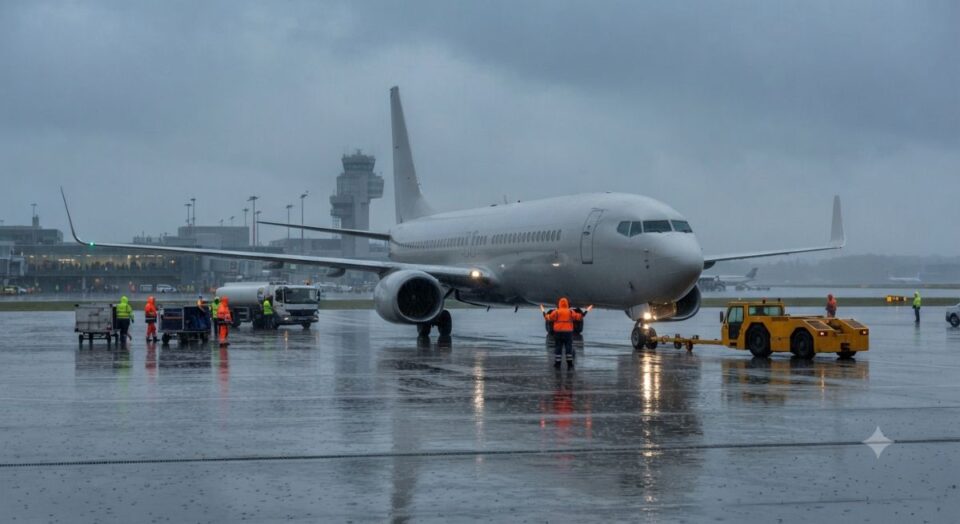
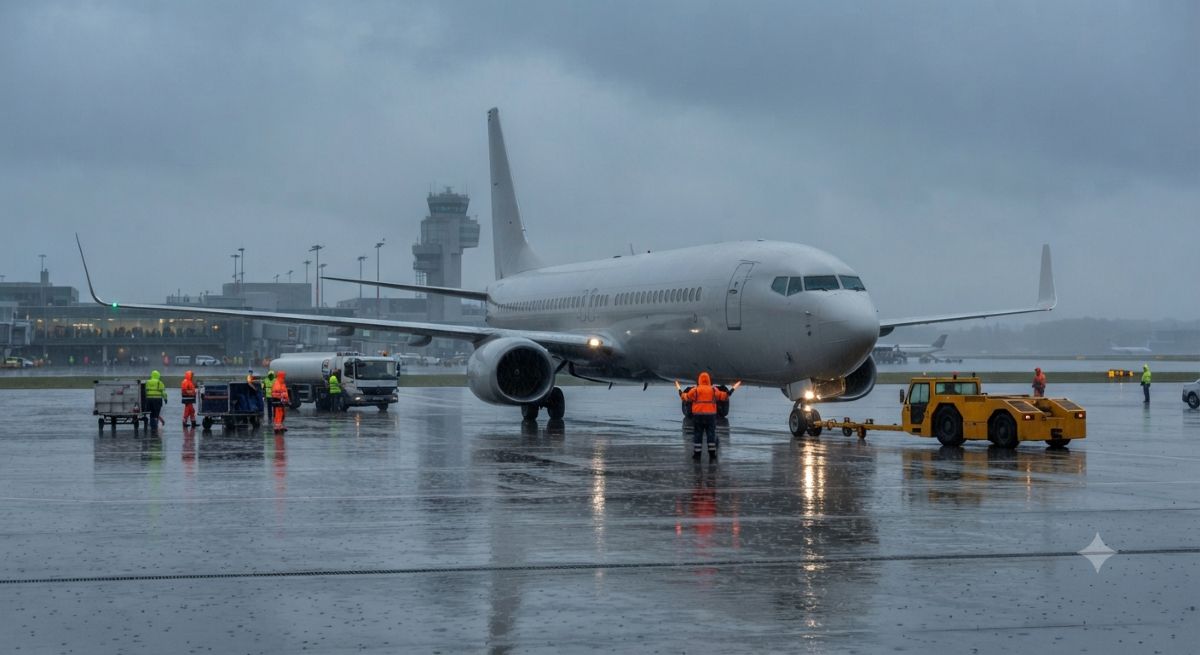
From a meteorological standpoint, the progression of a very strong El Nino phase alters traditional regional weather patterns. Across the United States, travelers can expect pronounced regional variations. While northern regions may experience milder winter weather transitions, southern tiers and coastal zones face risks associated with heavy precipitation, shifting storm tracks, and increased potential for infrastructure disruptions. Flight delays, regional transit bottlenecks, and temporary closures of outdoor recreational attractions are anticipated outcomes as local authorities respond to extreme weather events.
On the geopolitical and safety front, travelers journeying through areas under diplomatic warnings face immediate operational hurdles. Security alerts, such as those issued by the US Embassy concerning travel to and from Israel ahead of Yom Kippur, warn of potential flight cancellations, sudden airspace closures, and complex security environments. Individuals caught in these zones are urged to prepare for sudden changes, monitor local airport statuses directly, and identify designated protected spaces. Beyond aviation, pedestrian movement can be constrained by local security postures, mandated avoidance of large gatherings, and heightened vigilance required around sites associated with foreign entities.
Industry Insights
The global tourism and hospitality sectors are required to demonstrate high levels of agility and resilience in response to the simultaneous pressures of climatic volatility and geopolitical instability.
Within the tourism industry, destination management organizations and hospitality providers are adjusting their operational strategies. Regions anticipating increased storm activity or drought conditions due to El Nino are deploying proactive infrastructure protections and revising promotional calendars to manage visitor expectations. Travel insurance providers note a surge in demand for comprehensive coverage packages that address trip interruptions, weather-related delays, and emergency evacuation services.
Aviation and cruise sectors are similarly affected. Airlines are implementing more dynamic routing models to bypass severe weather anomalies driven by Pacific Ocean warming patterns, while maritime operators continuously assess regional security advisories and meteorological forecasts before finalizing itineraries. The hospitality industry in regions facing climate extremes is adapting by improving resource management, such as implementing water conservation measures and reinforcing coastal properties against potential erosion and high-tide flooding. Stakeholders across the board are prioritizing data-driven risk assessment to safeguard both assets and traveler welfare.
Practical Information
Navigating the travel environment during this complex period requires strict adherence to practical safety and preparation guidelines. Travelers are strongly advised to adopt flexible planning frameworks and maintain constant awareness of official updates.
- Flight and Route Verification: Passengers should bypass reliance on standard schedules, verifying flight statuses directly with airlines and monitoring real-time updates from regional aviation hubs such as Ben Gurion Airport or domestic US terminals.
- Weather and Security Monitoring: Continuous tracking of bulletins issued by meteorological agencies like NOAA and security alerts from official diplomatic missions provides necessary foresight into developing hazards.
- Itinerary Flexibility: Booking accommodations with adaptable cancellation policies, allowing buffer time between transit connections, and preparing secondary itineraries mitigate the impact of sudden disruptions.
- Emergency Preparedness: Individuals in regions under security advisories should secure essential supplies, including water, non-perishable food, and medical necessities, while remaining cognizant of local emergency shelters and restricted zones.
- Comprehensive Insurance Protection: Securing travel insurance that covers trip delays, medical emergencies, and unexpected interruptions provides a necessary financial safety net against unpredictable environmental and geopolitical shifts.
Comparison with Previous Policies and Developments
When compared to previous years, the current management of travel disruptions reflects a more integrated and proactive approach to risk mitigation. Earlier decades often treated meteorological forecasts and geopolitical security warnings as isolated variables managed independently by airlines, tour operators, and local governments. In contrast, the current operational landscape demonstrates a synchronized response framework.
Previous El Nino cycles, such as those observed in historical baseline years, primarily triggered reactive adjustments in ski resorts, coastal tourism, and agricultural tourism. Today, advanced modeling by NOAA and global meteorological networks allows the tourism sector to anticipate regional shifts months in advance, facilitating preemptive adjustments to infrastructure and resource allocation. Similarly, diplomatic missions have refined their communication strategies, utilizing digital security alerts to deliver real-time guidance directly to citizens abroad. This evolution highlights a transition from post-crisis management to predictive preparedness, enabling the tourism industry to better protect travelers amidst overlapping global challenges and El Nino.
The post El Nino Forecasts & Travel Alerts: What Travelers Need to Know This Fall appeared first on Travel And Tour World.
