
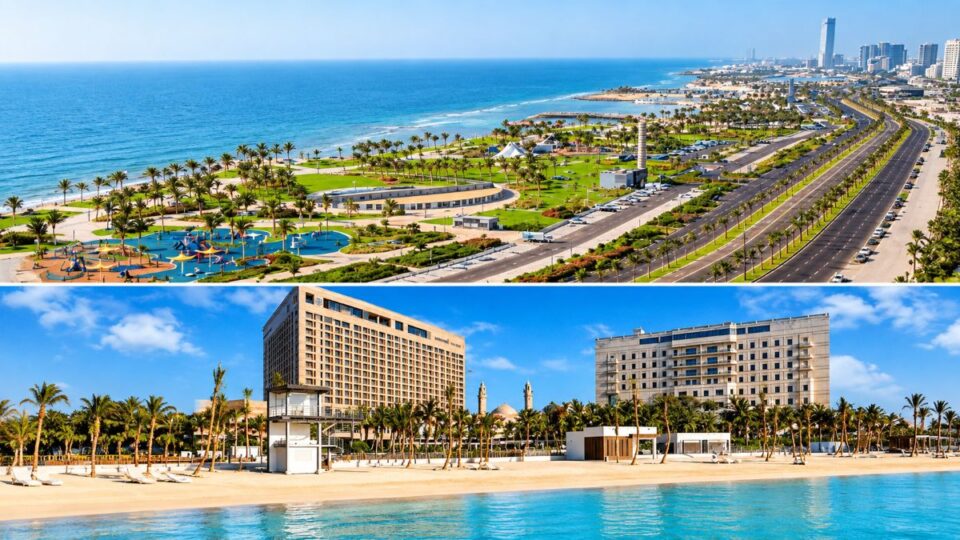
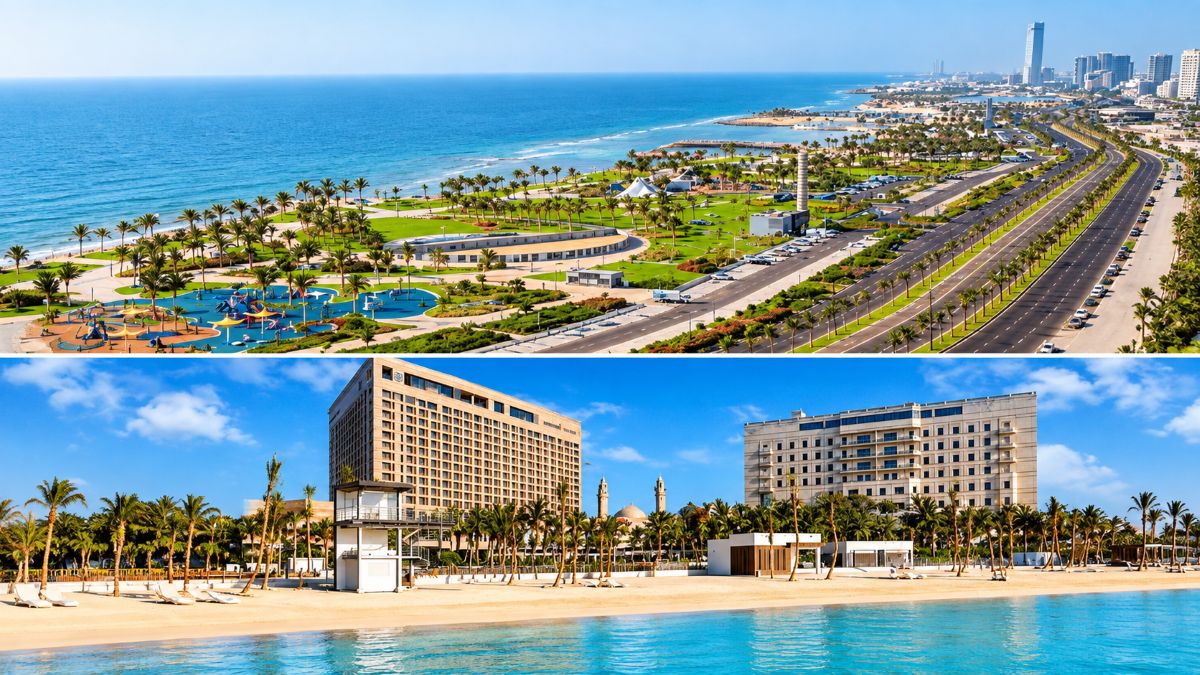
Saudi Arabia is confronting an emerging challenge to its tourism transformation as a security alert in Riyadh highlights the relationship between regional instability, aviation operations and international visitor confidence. On Saturday, 19 September 2026, Saudi Civil Defense warned residents in Riyadh and nearby Al-Kharj to move away from windows and exposed areas and seek shelter. The warning was later lifted, while reports of explosions circulated. The origin of the reported explosions had not been publicly established at the time of the supplied report. The incident illustrates how security developments can influence travel perceptions even when extensive physical damage has not been confirmed.
The Kingdom has invested heavily in tourism infrastructure, international connectivity and destination development through its economic diversification programme. With expanding visitor numbers, new hospitality projects and the development of Riyadh Air, Saudi Arabia is seeking a larger role in global tourism and aviation. However, confidence depends on more than hotels, airports and attractions. Travellers, airlines, insurers and tour operators also assess reliability, safety information and the potential for disruption. As regional tensions continue to affect travel planning, Saudi Arabia’s tourism sector faces the task of communicating clearly while maintaining operational resilience and supporting informed visitor decisions.
Riyadh Security Alert Highlights Tourism Vulnerability
The Riyadh security warning placed public safety at the centre of attention while also raising questions about how international visitors interpret security developments. Saudi Civil Defense instructed residents to seek shelter and avoid exposed locations before subsequently lifting the alert. Reports indicated that two explosions were heard in Riyadh, although their cause had not been publicly confirmed in the supplied coverage.
The distinction between a security warning and a confirmed successful attack is important for responsible journalism. Unverified assumptions can amplify fear and create inaccurate impressions of conditions across an entire destination. At the same time, the absence of confirmed major physical damage does not automatically eliminate the potential effects on travel behaviour.
Tourism decisions are often influenced by perceived risk. A traveller preparing for a holiday may consider government travel advice, airline communications, hotel cancellation policies and reports from people already at the destination. These factors can affect booking decisions even when attractions, accommodation and transport services remain operational.
For Saudi Arabia, the issue is particularly relevant because its tourism development strategy depends on attracting visitors from a wide range of international markets. The Kingdom is expanding its leisure, cultural, business and entertainment offerings while seeking to establish stronger connections with global travellers.
A temporary security alert can therefore create a communication challenge for tourism stakeholders. Authorities must provide accurate information, while travel companies need to explain any operational changes without exaggeration or unnecessary reassurance.
Saudi Arabia’s Tourism Growth Raises the Stakes
Saudi Arabia’s tourism sector has expanded considerably in recent years, supported by government investment, infrastructure development and efforts to diversify the national economy. The supplied report states that the Kingdom recorded approximately 123 million domestic and inbound tourists in 2025, including 29.3 million international visitors. It also reports tourism spending of approximately SAR304 billion, with inbound visitors accounting for SAR176.6 billion.
These figures demonstrate the economic importance of tourism within Saudi Arabia’s development plans. However, figures should be interpreted carefully, particularly when comparing domestic trips with international arrivals. Different measurement methods and definitions can influence tourism statistics, making consistent reporting essential.
The expansion of the tourism sector means that visitor confidence has become an important consideration for hotels, airlines, attractions and destination operators. Tourism businesses depend on advance bookings, predictable travel conditions and consumer willingness to commit to future journeys.
Regional security developments can complicate those expectations. Travellers may postpone holidays, request itinerary changes or seek alternative destinations. International tour operators may also review their exposure to cancellation costs and disruptions. Business travellers and event organisers may face additional requirements related to duty of care and contingency planning.
The following table summarises the principal tourism considerations arising from the Riyadh security alert.
| Tourism Factor | Potential Implication |
|---|---|
| Security warnings | May influence travellers’ perceptions of destination safety |
| Airline operations | Possible concern about schedule changes and connectivity |
| Hotel bookings | Travellers may reconsider advance reservations |
| Government travel advice | Can affect international travel planning |
| Tourism communication | Accurate updates can help reduce uncertainty |
| Event planning | Organisers may review safety and contingency arrangements |
These are potential effects rather than confirmed outcomes from the specific Riyadh incident. Reliable assessments require verified information about cancellations, flight disruptions, visitor numbers and commercial performance.
Riyadh Air Connects Aviation Expansion With Tourism Development
Riyadh Air represents a major component of Saudi Arabia’s international aviation ambitions. The airline is intended to strengthen Riyadh’s connectivity and support the Kingdom’s efforts to develop a more prominent position in global air travel.
The supplied report states that Riyadh Air has launched services to destinations including Islamabad, Lahore, Manila and Bangkok. It also identifies existing connections involving cities such as London, Madrid, Kuala Lumpur, Mumbai and Dubai, alongside the announcement of Manchester as a second UK destination on 17 September.
As a growing airline, Riyadh Air must develop customer confidence through dependable operations, clear communication and a consistent passenger experience. Security developments affecting Riyadh can create additional pressure because the airline’s network is closely connected to the city’s role as an international hub.
Nevertheless, there is no confirmed evidence in the supplied material that the 19 September security alert caused major disruption to Riyadh Air’s network. It would be inaccurate to present an operational impact as established without verified airline statements or flight data.
For passengers, the practical priority remains checking confirmed airline updates before travelling. Flight schedules, airport procedures and travel requirements can change in response to regional conditions, and individual travellers should use current official information when making decisions.
International Travel Advice Influences Visitor Decisions
Government travel advisories can affect the way international visitors evaluate destinations. The supplied article refers to the United States assigning Saudi Arabia a Level 3 travel advisory, described as “Reconsider Travel”, because of concerns involving armed conflict and missile and drone threats. It also refers to British travel advice warning about potential attacks and regional escalation.
Travel advice should be assessed according to its publication date, geographical scope and specific recommendations. An advisory covering an entire country may not describe conditions in every city or tourist area equally. Travellers should therefore review the precise guidance for their destination and planned activities.
For the tourism industry, government advisories can influence decisions beyond individual holidays. Corporate travel departments may review employee movements, event organisers may consider alternative arrangements, and insurance providers may assess the implications of changing risk conditions.
This does not mean that every security warning produces an immediate decline in tourism. The impact depends on factors including duration, frequency, severity, media coverage, official responses and travellers’ perceptions. Reliable measurement requires data rather than assumptions.
Saudi Arabia’s tourism sector must therefore balance the need for transparency with the responsibility to avoid unsupported claims about safety or normality.
Clear Communication Can Support Tourism Resilience
A coordinated approach to visitor communication could help tourism businesses respond to security developments. Airports, airlines, hotels, tour operators and attractions each have a role in providing timely and accurate information.
Travellers need to understand whether transport services are operating, whether attractions remain open and what procedures apply if another alert occurs. Information should be updated regularly and communicated in languages appropriate for international visitors.
A common information framework could also reduce confusion caused by conflicting reports. Such a framework might include verified operational updates, emergency guidance, timestamps and information about where travellers can obtain further assistance.
Communication should not minimise legitimate safety concerns. Instead, it should distinguish confirmed facts from developing information and clearly identify any uncertainties. This approach supports informed decisions and helps protect the credibility of tourism authorities and businesses.
Hotels and tour operators can also prepare staff to respond to questions from international guests. Clear procedures may assist visitors who are unfamiliar with local emergency systems or who require help during an unexpected disruption.
Saudi Arabia’s Tourism Future Depends On Confidence And Preparedness
The Riyadh security alert demonstrates how tourism and regional security can become closely connected. Saudi Arabia’s expanding visitor economy, international aviation ambitions and hospitality investments create significant opportunities, but they also increase the importance of transparent risk communication.
The Kingdom’s tourism development cannot be assessed through security incidents alone. Visitor arrivals, spending, infrastructure investment, airline performance and the experiences of travellers all contribute to a broader understanding of the sector.
Similarly, one security warning should not automatically be interpreted as evidence of a nationwide tourism crisis. Confirmed information about travel disruptions, booking trends and official measures is necessary before drawing conclusions about economic consequences.
For visitors planning travel to Saudi Arabia, the most relevant steps are to review current government guidance, monitor airline updates, confirm accommodation arrangements and follow instructions from local authorities. Travel decisions should reflect individual circumstances and verified information.
Saudi Arabia’s tourism transformation continues within a complex regional environment. Its ability to communicate responsibly, coordinate across the travel industry and maintain appropriate preparedness will remain relevant to the confidence of visitors and international tourism partners.
Frequently Asked Questions
1. What happened in Riyadh on 19 September 2026?
Saudi Civil Defense warned residents in Riyadh and nearby Al-Kharj to seek shelter and avoid exposed areas. The warning was later lifted. Reports of explosions circulated, but their origin had not been publicly established in the supplied report.
2. Did the Riyadh security alert confirm a missile strike?
No. The supplied report did not establish that a successful missile strike occurred. The origin of the reported explosions remained unconfirmed at the time of reporting.
3. Does the security alert mean Saudi Arabia is closed to tourists?
The supplied material does not establish a nationwide tourism closure. Travellers should check current official guidance and information from airlines and tourism operators before travelling.
4. How can security incidents affect Saudi tourism?
They may influence visitor confidence, advance bookings, airline operations, travel insurance assessments and event planning. The actual impact depends on the severity and duration of the incident.
5. What is Riyadh Air’s role in Saudi tourism development?
Riyadh Air is intended to strengthen international air connectivity and support Riyadh’s development as an aviation and tourism hub.
6. Has Riyadh Air confirmed major disruption following the alert?
The supplied report does not provide confirmed evidence of major Riyadh Air network disruption resulting from the alert.
7. Why do travel advisories matter to international visitors?
Travel advisories provide government guidance about safety risks and precautions. They can influence travel planning, insurance considerations and corporate travel decisions.
8. Should travellers cancel their Saudi Arabia holidays?
There is no universal answer. Travellers should review current official travel advice, their itinerary and airline information before deciding whether to proceed, postpone or change their plans.
9. How can hotels support guests during security alerts?
Hotels can provide verified information, explain local emergency procedures, communicate operational updates and assist guests in following official safety instructions.
10. What will determine the future of Saudi Arabia’s tourism sector?
Tourism performance will depend on factors including visitor demand, infrastructure investment, aviation connectivity, hospitality development, regional conditions and travellers’ confidence in available information.
The post Saudi Arabia Aligns With United States As Riyadh Security Alert Tests Tourism Confidence appeared first on Travel And Tour World.
