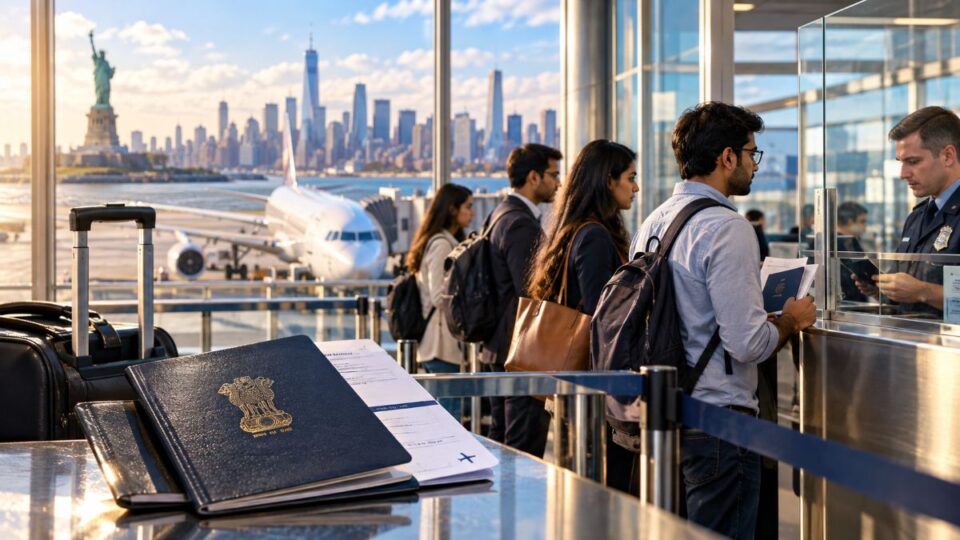
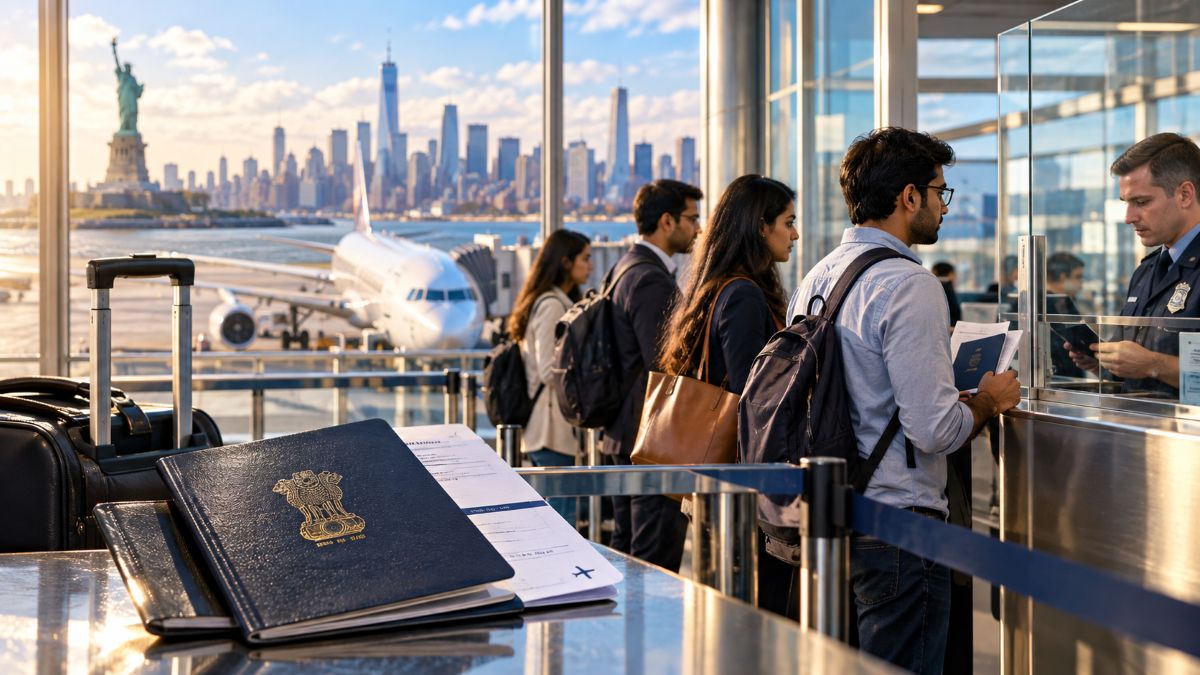
The United States has intensified scrutiny of its H-1B visa programme, prompting discussion among Indian professionals, international students, employers and the wider business travel community. The latest policy changes under President Donald Trump focus on strengthening programme oversight, addressing alleged misuse and examining whether employers are using foreign workers to replace American employees. Against this backdrop, the Foundation for India and Indian Diaspora Studies (FIIDS) has supported stronger enforcement while cautioning that immigration controls should not restrict the specialised talent required to sustain American innovation. The organisation’s position highlights the continuing connection between employment-based immigration, international mobility and the US technology economy.
For Indian travellers planning professional assignments, higher education pathways or long-term employment in the United States, changes to H-1B policies could influence employer decisions, visa planning and international career mobility. However, the precise effect will depend on how the updated scrutiny is implemented, which applications are affected and how employers respond. FIIDS has called for a transparent, merit-based system that protects workers while retaining access to highly skilled professionals.
FIIDS Supports Stronger Oversight While Protecting US Innovation
FIIDS welcomed the administration’s intention to protect American workers and address abuse within the H-1B system. Khanderao Kand, the organisation’s Chief of Policy and Strategy, said that stronger enforcement should not prevent businesses from recruiting specialists whose skills may not be immediately available in the domestic workforce.
The organisation highlighted sectors such as artificial intelligence, cybersecurity, advanced semiconductors, cloud infrastructure and specialised data engineering. These industries rely on technical expertise and international recruitment, making visa policy an important consideration for companies operating across borders.
FIIDS has proposed a balanced approach involving anti-fraud enforcement, wage protections, recruitment safeguards and greater investment in domestic education, training and reskilling. It also called for evidence-based implementation that focuses on demonstrable misconduct rather than broad assumptions based on an employer’s total workforce or visa usage.
New H-1B Measures Could Affect Employers And International Professionals
The latest US measures include tighter scrutiny of H-1B applications and an extension of a USD 100,000 payment requirement for certain visa petitions. The administration has linked the measures to concerns about programme abuse and the potential displacement of American workers.
A separate order directs agencies to consider recent or planned layoffs involving similarly situated US workers when reviewing H-1B applications. The stated objective is to prevent employers from using the programme to undercut domestic workers or replace them through foreign recruitment.
The measures have implications for companies recruiting overseas professionals and for international workers seeking employment in the United States. Nevertheless, the specific impact on each applicant depends on the applicable visa category, employer circumstances, petition requirements and implementation of the rules.
| H-1B Policy Development | Potential Relevance |
|---|---|
| Increased application scrutiny | Employers may face additional review during petition processing. |
| Examination of worker layoffs | Recent or planned layoffs may receive attention during application assessment. |
| USD 100,000 payment extension | Certain new H-1B petitions may face substantial additional costs. |
| FIIDS policy response | Calls for enforcement alongside continued access to specialised talent. |
| International mobility | Employers and professionals may need to reassess recruitment and travel planning. |
Indian Professionals Remain Closely Connected To The H-1B Programme
Indian professionals have a significant presence within the US H-1B system, particularly in technology and engineering-related employment. As a result, changes to visa costs, employer compliance and application scrutiny are being closely followed by Indian workers, students and businesses.
The H-1B programme is designed to enable US employers to hire foreign professionals for specialised occupations. Its operation affects more than individual employment arrangements, as visa policies can also influence corporate staffing, international assignments and the movement of skilled workers between countries.
The extension of the USD 100,000 payment requirement introduces another consideration for employers evaluating new international hires. The administration has claimed that the earlier measure significantly reduced H-1B registrations by major IT outsourcing companies. Such claims should be distinguished from independently assessed long-term effects on employment, innovation and international recruitment.
Travel And Career Planning Under Changing Visa Rules
H-1B policy developments are relevant to business travellers, international students and professionals preparing to relocate to the United States. Visa eligibility, employer sponsorship, application processing and entry requirements remain separate considerations, and policy announcements do not automatically determine an individual’s immigration outcome.
Professionals should verify current requirements through official US immigration and consular channels before making travel arrangements. Employers should also assess compliance obligations and the financial implications of sponsoring international workers.
For Indian students and skilled professionals, the evolving policy environment may encourage closer consideration of employment timelines, alternative international opportunities and the conditions attached to different immigration pathways. However, decisions should be based on current official requirements and individual circumstances rather than general assumptions about future outcomes.
US Innovation Debate Continues Amid Immigration Enforcement
The FIIDS statement reflects a broader policy discussion about how the United States can protect domestic workers while maintaining access to international expertise. Supporters of stronger scrutiny emphasise programme integrity and safeguards against worker displacement. Businesses and immigration advocates also highlight the importance of specialised talent for technology development and economic activity.
These considerations create a policy challenge involving enforcement, employer responsibility, workforce development and international recruitment. FIIDS has argued that a transparent and enforceable system can address misconduct without treating American workers and highly skilled immigrants as competing interests by default.
As the updated measures take effect, their consequences will depend on regulatory implementation, employer responses and any legal developments affecting the requirements. Indian professionals and international businesses will need to monitor official updates before assessing the practical implications for employment and travel.
Frequently Asked Questions
1. What is the latest development concerning H-1B visas?
The US administration has introduced tighter scrutiny of H-1B applications and extended a USD 100,000 payment requirement for certain petitions.
2. What is FIIDS?
The Foundation for India and Indian Diaspora Studies is an advocacy organisation that has commented on H-1B visa policy and international talent mobility.
3. Does FIIDS support H-1B scrutiny?
FIIDS supports stronger scrutiny while urging authorities to protect access to specialised talent needed for American innovation.
4. Why is the H-1B programme important to Indian professionals?
Indian professionals represent a significant share of H-1B beneficiaries, particularly in technology-related occupations.
5. What does the USD 100,000 payment requirement involve?
It applies to certain H-1B petitions under the administration’s stated policy conditions. Applicability depends on the specific case.
6. Could layoffs affect H-1B applications?
The new scrutiny directs agencies to consider recent or planned layoffs involving similarly situated US workers.
7. Which industries did FIIDS identify as requiring specialised talent?
FIIDS referred to artificial intelligence, cybersecurity, semiconductors, cloud infrastructure and specialised data engineering.
8. Could the policy affect international travel?
The measures may influence employment-related mobility and visa planning, but travel eligibility depends on individual circumstances and applicable rules.
9. Should applicants check official visa requirements?
Yes. Applicants should confirm current requirements through official US immigration and consular resources before making arrangements.
10. What is the central issue in the H-1B policy debate?
The debate concerns balancing worker protection and programme enforcement with continued access to specialised international talent.
The post US H-1B Visa Scrutiny Raises Travel Concerns For Indian Professionals Amid FIIDS Warning appeared first on Travel And Tour World.
